
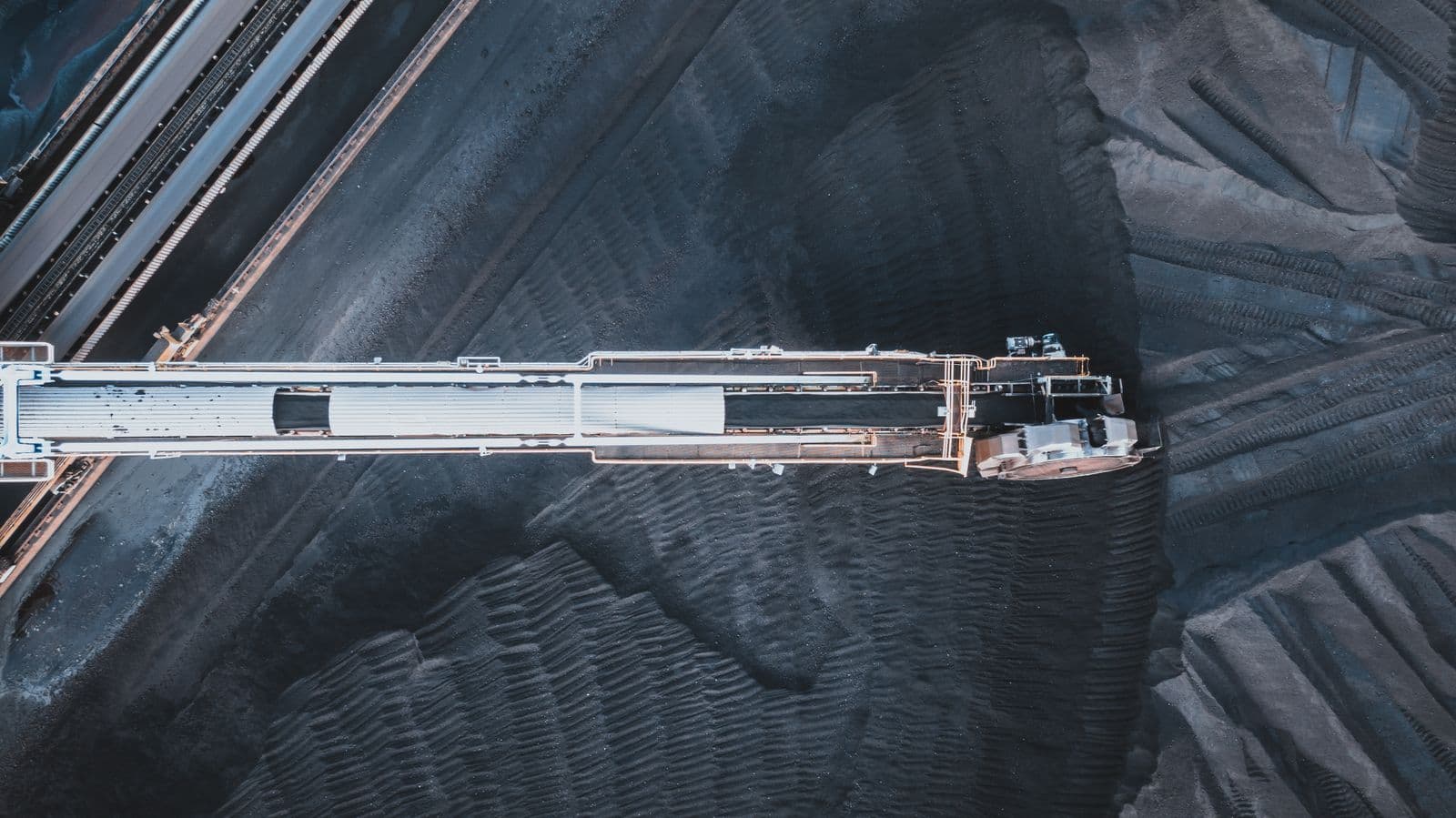
Advanced Technology
Development engineering sitting behind the standard product ranges — compound design, material substitution and mass reduction against a customer drawing. Take this route when a catalogue part cannot meet the duty and the component has to be engineered for the application. SES holds the range as an authorised JK Fenner distributor, covering disciplines Materials, design, simulation, testing; materials Elastomers, engineering polymers, composites; substitution Metal to polymer, polymer to composite; validation Bench endurance and in-application testing. Executions include light weighting, material substitution studies, compound development, design and simulation support, among others. It is specified most often into OE component development programmes and vehicle platform weight-reduction projects. Every part is genuine JK Fenner through official channels, with designation, specification and options confirmed against your duty before it ships — supplied from Kolkata and our branch network, with breakdown cover that does not sit in an inbox.
Send an enquiry
Check Price & Availability.
Give us the size or the failed part — we reply on WhatsApp.
Trusted across Metals & Energy
Supplying India’s Industrial Names.
From integrated steel plants to power utilities and EPC majors — the works that cannot afford a counterfeit part specify through SES.














Route
Application engineering, not catalogue supply
Inputs needed
Drawing, duty cycle, failure history
Typical output
Component requalified for life or mass
Timeline driver
Validation testing, not tooling
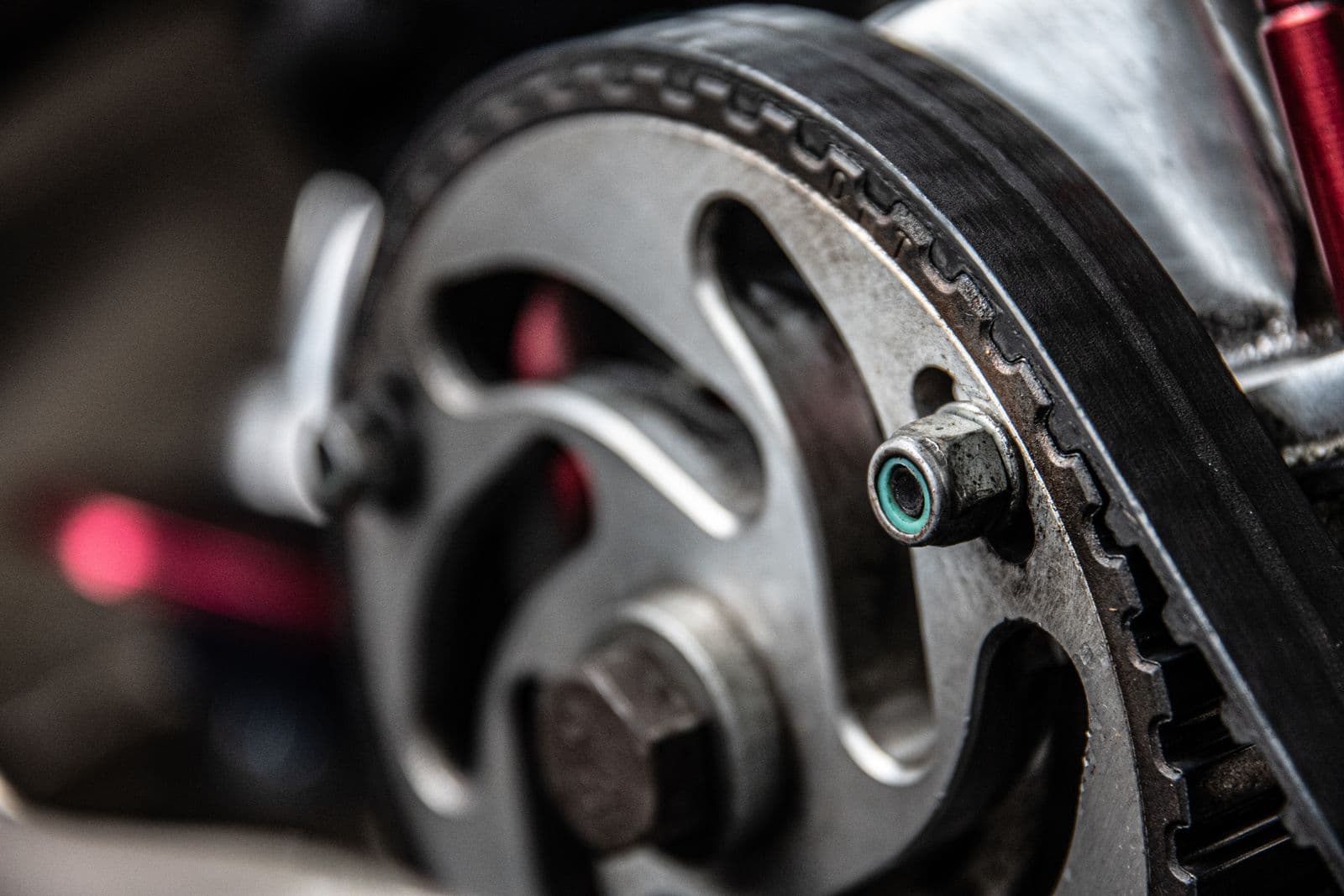
Where it runs.
You will find Advanced Technology in the parts of a plant where this particular duty actually occurs. In practice that means OE component development programmes, vehicle platform weight-reduction projects, compound changes for raised operating temperature, and equally metal-to-polymer substitution studies, noise and vibration reduction work, endurance and environmental validation testing. What links them is the duty rather than the machine name — route: Application engineering, not catalogue supply. If your installation is not on that list it matters less than you would think: the operating condition decides the specification. Send us the load, the speed, the running temperature and the environment it runs in, and we will match it to the right execution in the JK Fenner range and confirm what is in stock.
Specify it against the duty.
Specification here follows the operating condition, not the catalogue. An existing part keeps failing in a way no catalogue item addresses — A development route, and hand over the failed samples. A redesign attempted without the failed parts in hand is guesswork dressed up as engineering. The requirement is mass reduction on an assembly already in production — The light weighting route with load cases stated up front. Taking mass out without a load case simply relocates the failure. Duty has changed but the installation envelope has not — A compound change inside the existing tooling. New tooling only earns its cost when the geometry itself has to move. Where two of those apply at once, specify for the harsher of the two — under-specifying is what puts the part back on the bench a month later. Send us the duty and we will confirm the execution.
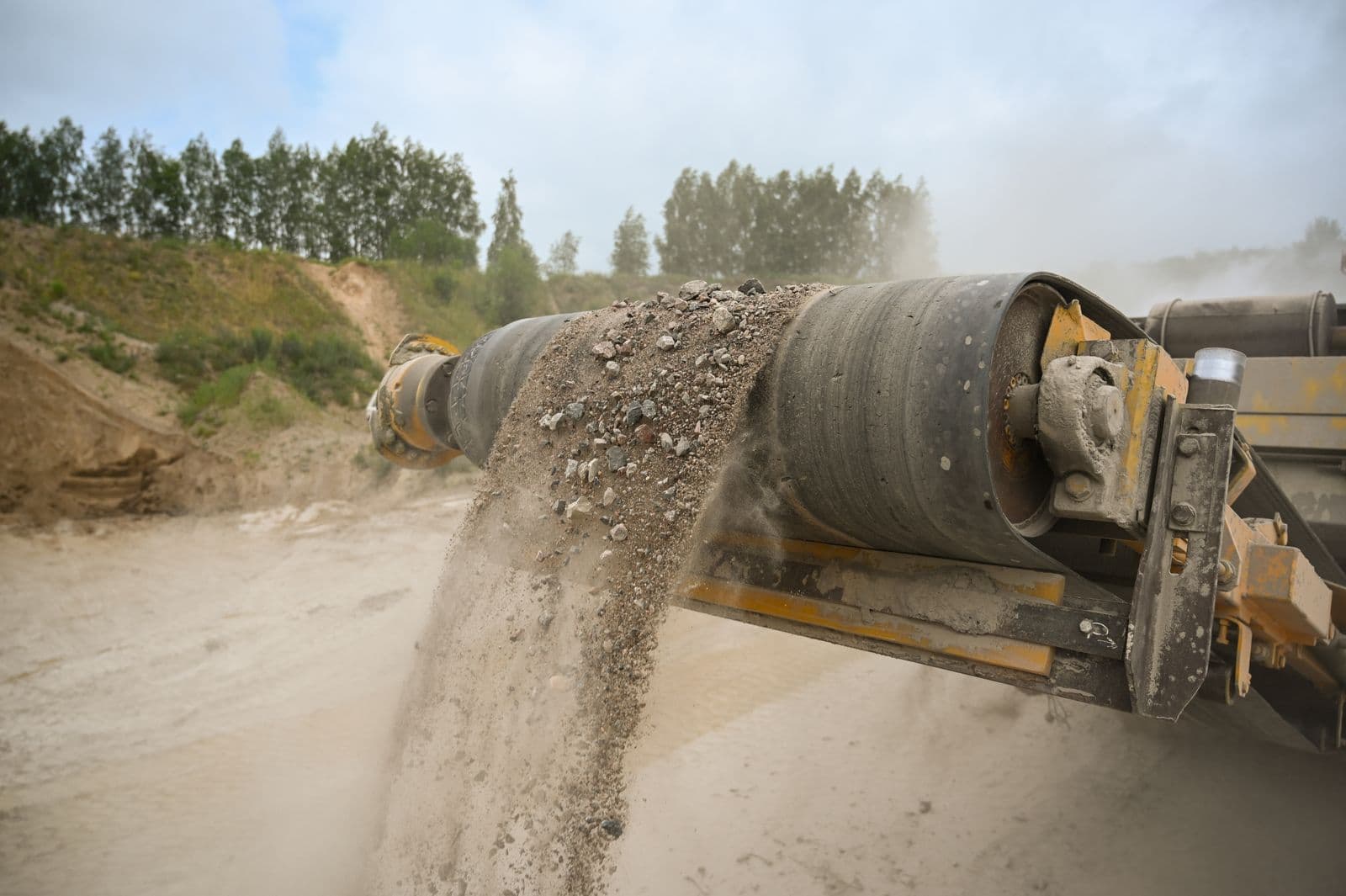
Ordering this from SES.
Bring the problem to the first meeting rather than a finished specification. The single most useful thing you can hand over is a failed component with its running hours and the duty it actually saw. Send the designation off the failed part and we will confirm the JK Fenner equivalent and stock position.