

Sealing Solutions
Service replacement seals for engines, transmissions and axles, catalogued by vehicle so a fitter can order without measuring. Coverage runs across crank and cam seals, gearbox and axle seals, valve stem seals and O-ring sets. SES holds the range as an authorised JK Fenner distributor, covering seal types Rotary shaft, valve stem, O-rings, repair sets; case forms Rubber covered and metal cased; lip options Single lip, spring loaded, dust lip variants; materials NBR, ACM, FKM, silicone, PTFE. Executions include engine oil seals, gearbox and axle seals, wheel hub seals, valve stem seals, among others. It is specified most often into engine oil leak repairs at crank and cam positions and gearbox output and input shaft leak repairs. Every part is genuine JK Fenner through official channels, with designation, specification and options confirmed against your duty before it ships — supplied from Kolkata and our branch network, with breakdown cover that does not sit in an inbox.
Send an enquiry
Check Price & Availability.
Give us the size or the failed part — we reply on WhatsApp.
Trusted across Metals & Energy
Supplying India’s Industrial Names.
From integrated steel plants to power utilities and EPC majors — the works that cannot afford a counterfeit part specify through SES.



















Catalogued by
Vehicle make, model and engine
Positions
Engine, gearbox, axle, wheel end
Materials
Nitrile, polyacrylate, fluoroelastomer, PTFE
Supplied as
Single seals and repair sets
Where it runs.
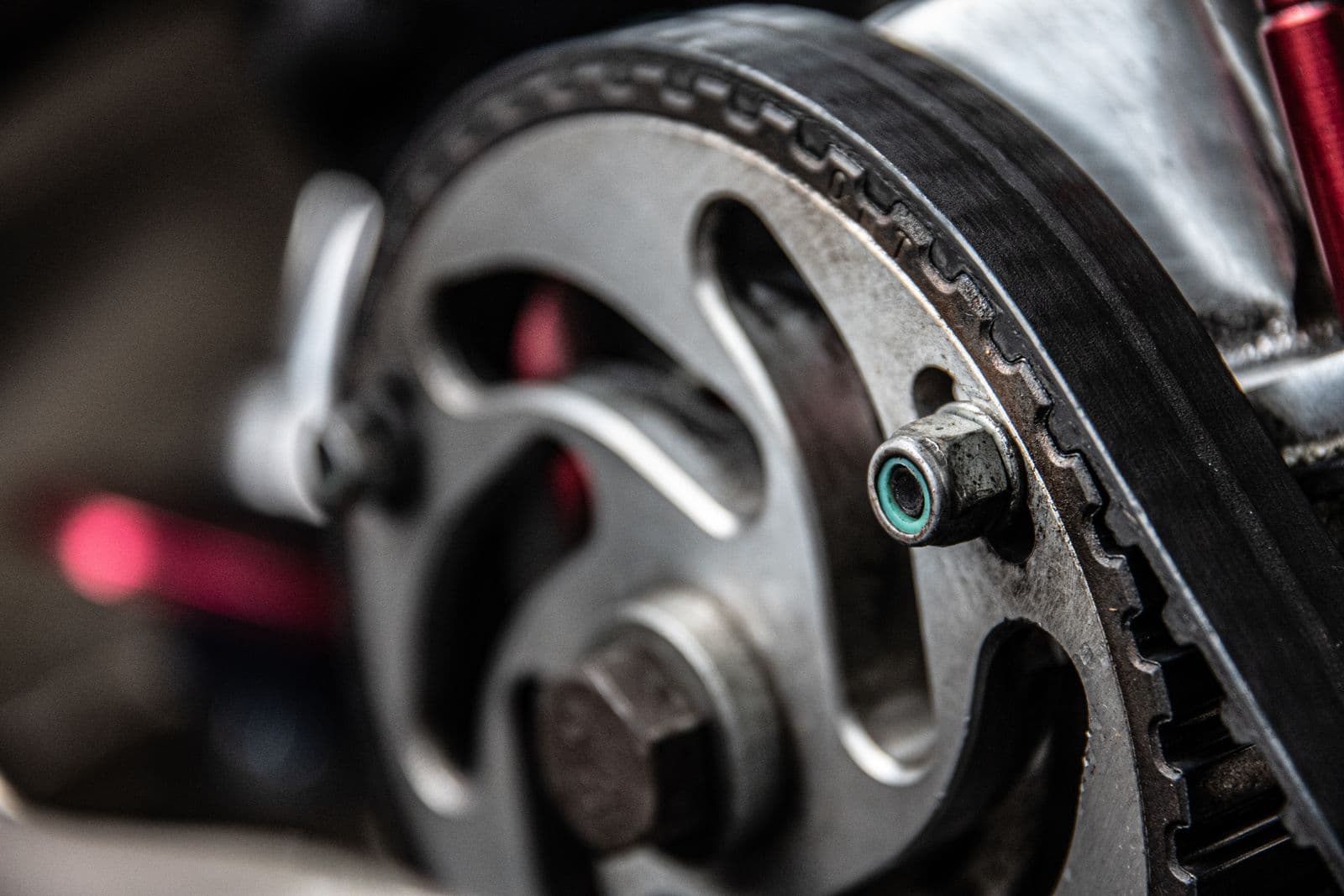
You will find Sealing Solutions in the parts of a plant where this particular duty actually occurs. In practice that means engine oil leak repairs at crank and cam positions, gearbox output and input shaft leak repairs, differential pinion seal replacement, and equally wheel hub and axle seal replacement on trucks, valve stem seal replacement during head overhaul, power steering and pump seal repair sets. What links them is the duty rather than the machine name — catalogued by: Vehicle make, model and engine. If your installation is not on that list it matters less than you would think: the operating condition decides the specification. Send us the load, the speed, the running temperature and the environment it runs in, and we will match it to the right execution in the JK Fenner range and confirm what is in stock.
Specify it against the duty.
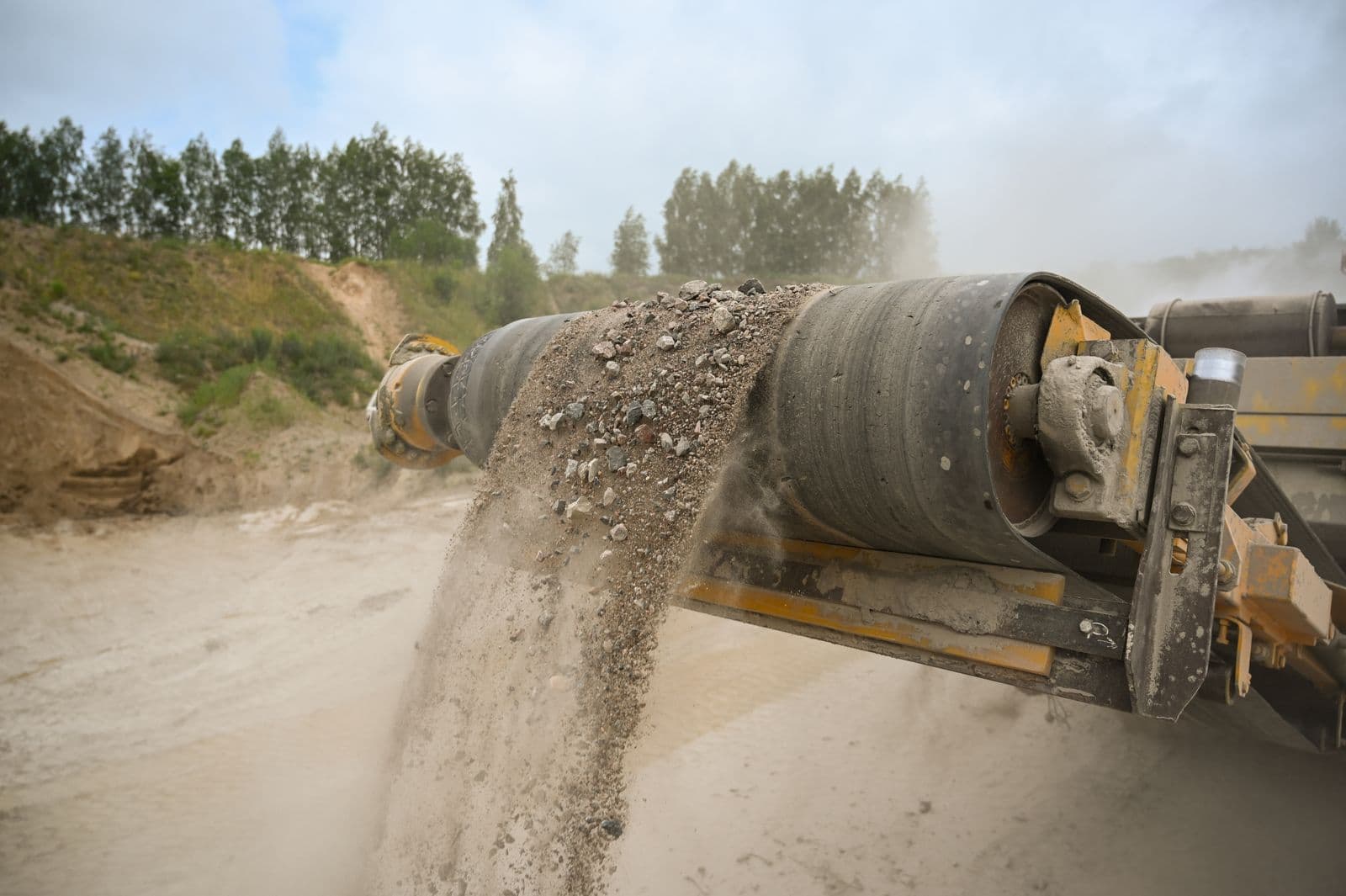
Specification here follows the operating condition, not the catalogue. Same seal position has leaked twice within a year — Measure the shaft for a wear groove and check housing bore roundness. Repeat leaks are almost always a shaft or bore problem being blamed on the seal. Vehicle operates in heavy dust, such as quarry or field work — A version with an outer dust lip and pack the interlip space with grease. Dust cutting the primary lip is the dominant wear mechanism in that duty. Seal sits in an aluminium housing that has been out and back several times — Check the bore for a stepped or scored surface and use a bore sealant if permitted. Aluminium bores lose their grip on the seal case after repeated extraction. Where two of those apply at once, specify for the harsher of the two — under-specifying is what puts the part back on the bench a month later. Send us the duty and we will confirm the execution.
Ordering this from SES.
Clean the housing bore of old sealant and hardened varnish before the new seal goes anywhere near it. A seal case pushed onto that residue sits proud at one point and pumps oil past the case rather than past the lip, which sends the fitter chasing the wrong fault.