

Synchronous (Timing) Belts
Toothed belts meshing with a matching pulley, giving positive drive with no slip. Used where two shafts must stay in phase, or where slip losses on a V-belt drive are no longer acceptable. SES holds the range as an authorised JK Fenner distributor, covering profiles HTD 3M/5M/8M/14M, RPP, T/AT, MXL–XXH trapezoidal; widths 6 mm to 170 mm by profile; construction Neoprene or polyurethane body, fibreglass or steel cord; temperature −30 °C to +85 °C. Executions include HTD curvilinear timing belts, RPP / STD timing belts, classical trapezoidal timing belts, double-sided timing belts, among others. It is specified most often into packaging and filling line indexing and printing register drives. Every part is genuine JK Fenner through official channels, with designation, specification and options confirmed against your duty before it ships — supplied from Kolkata and our branch network, with breakdown cover that does not sit in an inbox.
Send an enquiry
Check Price & Availability.
Give us the size or the failed part — we reply on WhatsApp.
Trusted across Metals & Energy
Supplying India’s Industrial Names.
From integrated steel plants to power utilities and EPC majors — the works that cannot afford a counterfeit part specify through SES.





















Drive type
Positive, zero slip
Profiles
HTD, STD/RPP, trapezoidal, curvilinear
Efficiency
About 98%, and no re-tensioning drift
Tension
Lower shaft loads than V-belt drives
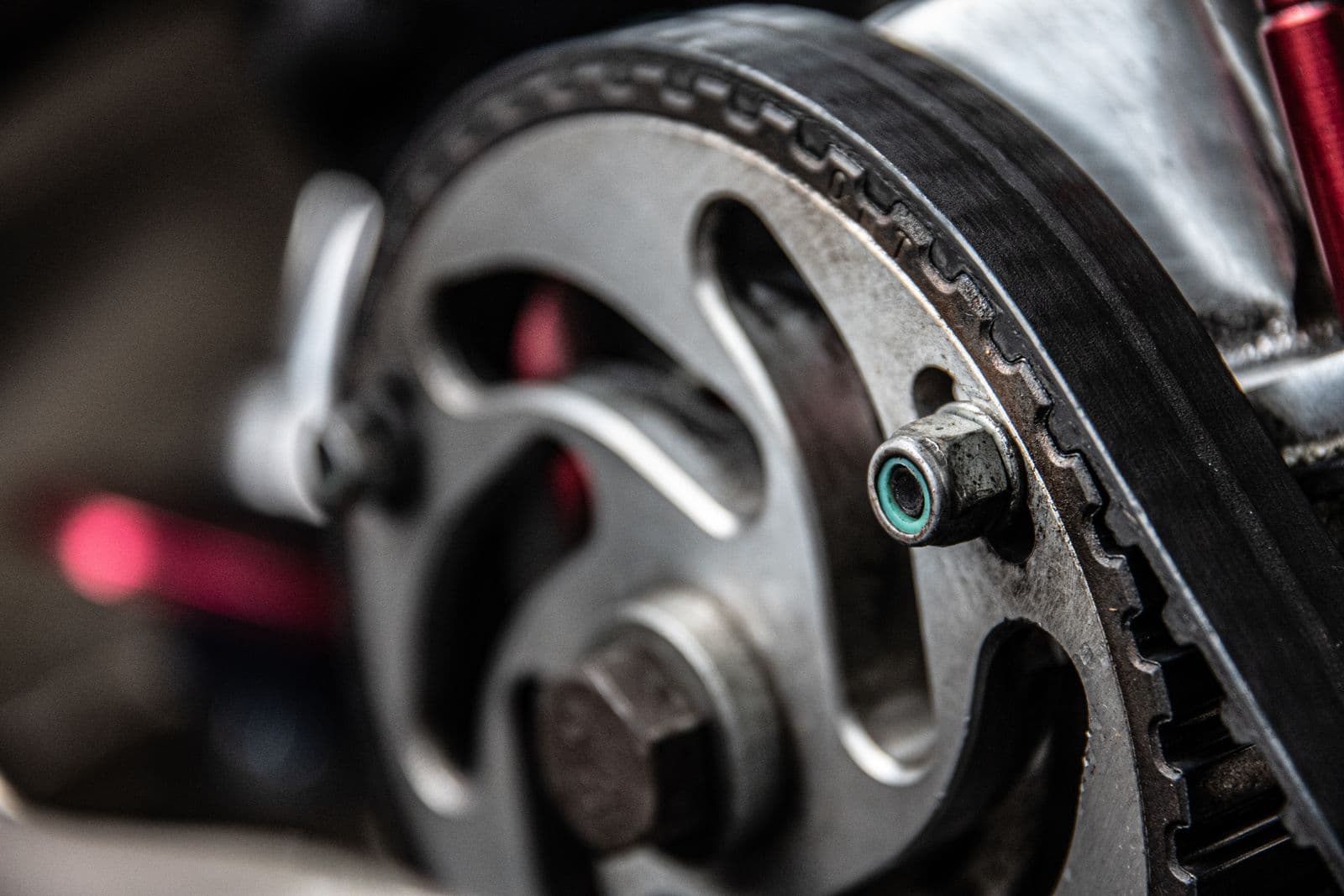
Where it runs.
You will find Synchronous (Timing) Belts in the parts of a plant where this particular duty actually occurs. In practice that means packaging and filling line indexing, printing register drives, machine tool axis and spindle drives, and equally textile machinery feed rollers, conveyor drives requiring positional accuracy, pump drives where slip loss is being engineered out. What links them is the duty rather than the machine name — drive type: Positive, zero slip. If your installation is not on that list it matters less than you would think: the operating condition decides the specification. Send us the load, the speed, the running temperature and the environment it runs in, and we will match it to the right execution in the JK Fenner range and confirm what is in stock.
Specify it against the duty.
Specification here follows the operating condition, not the catalogue. Two shafts must hold exact phase relationship — Synchronous drive. No V-belt arrangement will hold registration once it starts to slip. Replacing a V-belt drive to cut energy loss — HTD or RPP profile sized for the load, and change both pulleys — a timing belt cannot run in a V-groove. Shock or reversing loads — A curvilinear (HTD/RPP) profile, which distributes load across the tooth flank better than a trapezoidal tooth. Where two of those apply at once, specify for the harsher of the two — under-specifying is what puts the part back on the bench a month later. Send us the duty and we will confirm the execution.
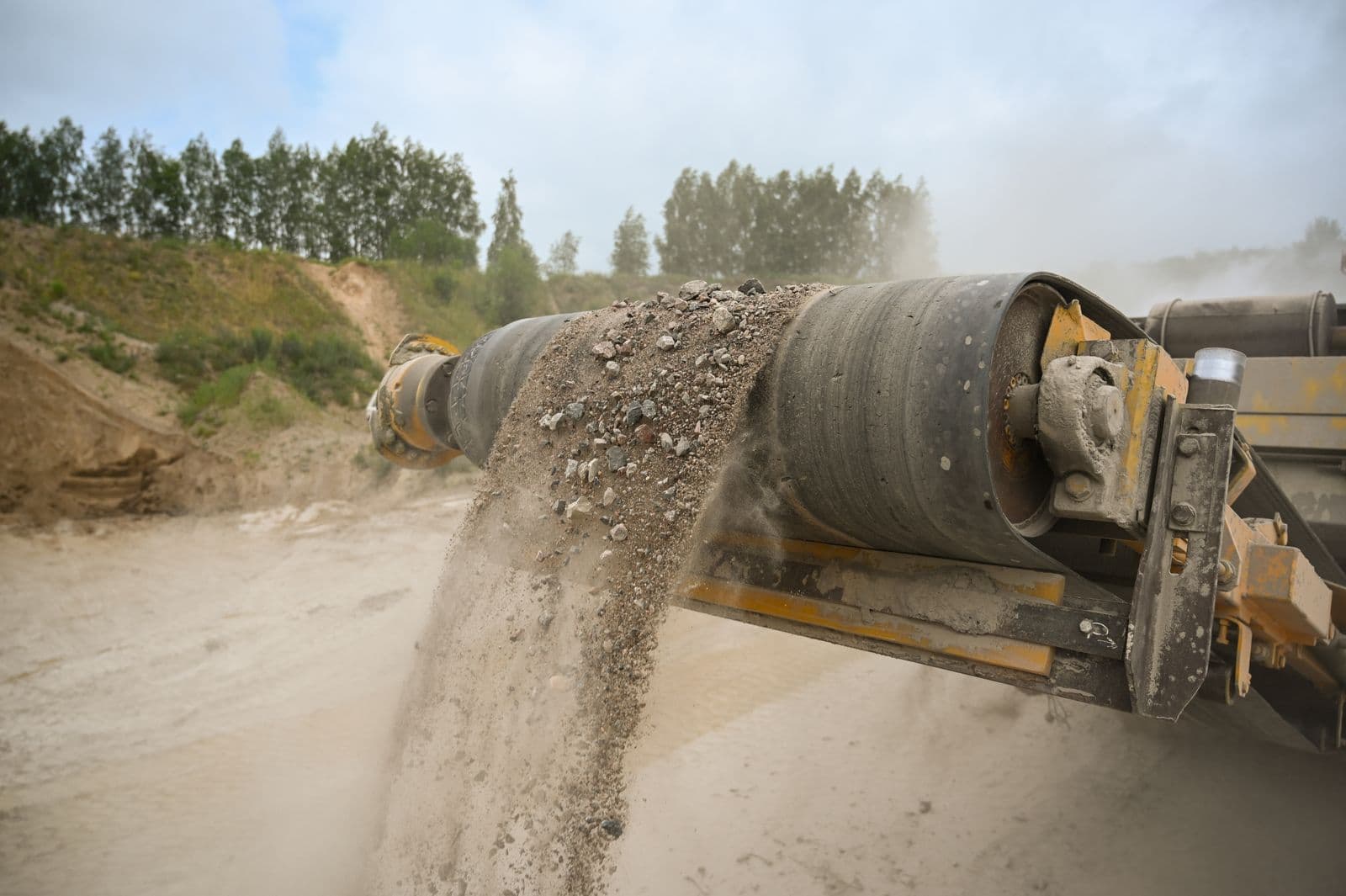
Ordering this from SES.
Timing belts are tensioned by frequency, not by deflection feel. We can check the installed tension with a sonic meter during commissioning — over-tensioning is the fastest way to kill both the belt and the driven bearing.