

Track Pads
Bonded rubber pads sitting between the track link and the road surface. They carry vehicle weight, cushion the running gear and stop steel links from tearing up metalled roads. SES holds the range as an authorised JK Fenner distributor, covering construction Rubber-to-metal bonded pad; backing Steel plate with drawing fixing pattern; compounds Natural rubber blends, heat and cut resistant; hardness Typically 60 to 75 Shore A. Executions include bolt-on road pads, integral link pads, cut-resistant off-road compound pads, heat-resistant hot-climate pads, among others. It is specified most often into main battle tank road pads and infantry combat vehicle track pads. Every part is genuine JK Fenner through official channels, with designation, specification and options confirmed against your duty before it ships — supplied from Kolkata and our branch network, with breakdown cover that does not sit in an inbox.
Send an enquiry
Check Price & Availability.
Give us the size or the failed part — we reply on WhatsApp.
Trusted across Metals & Energy
Supplying India’s Industrial Names.
From integrated steel plants to power utilities and EPC majors — the works that cannot afford a counterfeit part specify through SES.





















Duty
Weight-bearing wear item on the track link
Construction
Rubber vulcanised to a steel backing plate
Wears from
Road running, hard turns, heavy braking
Change criterion
Remaining rubber thickness, not appearance
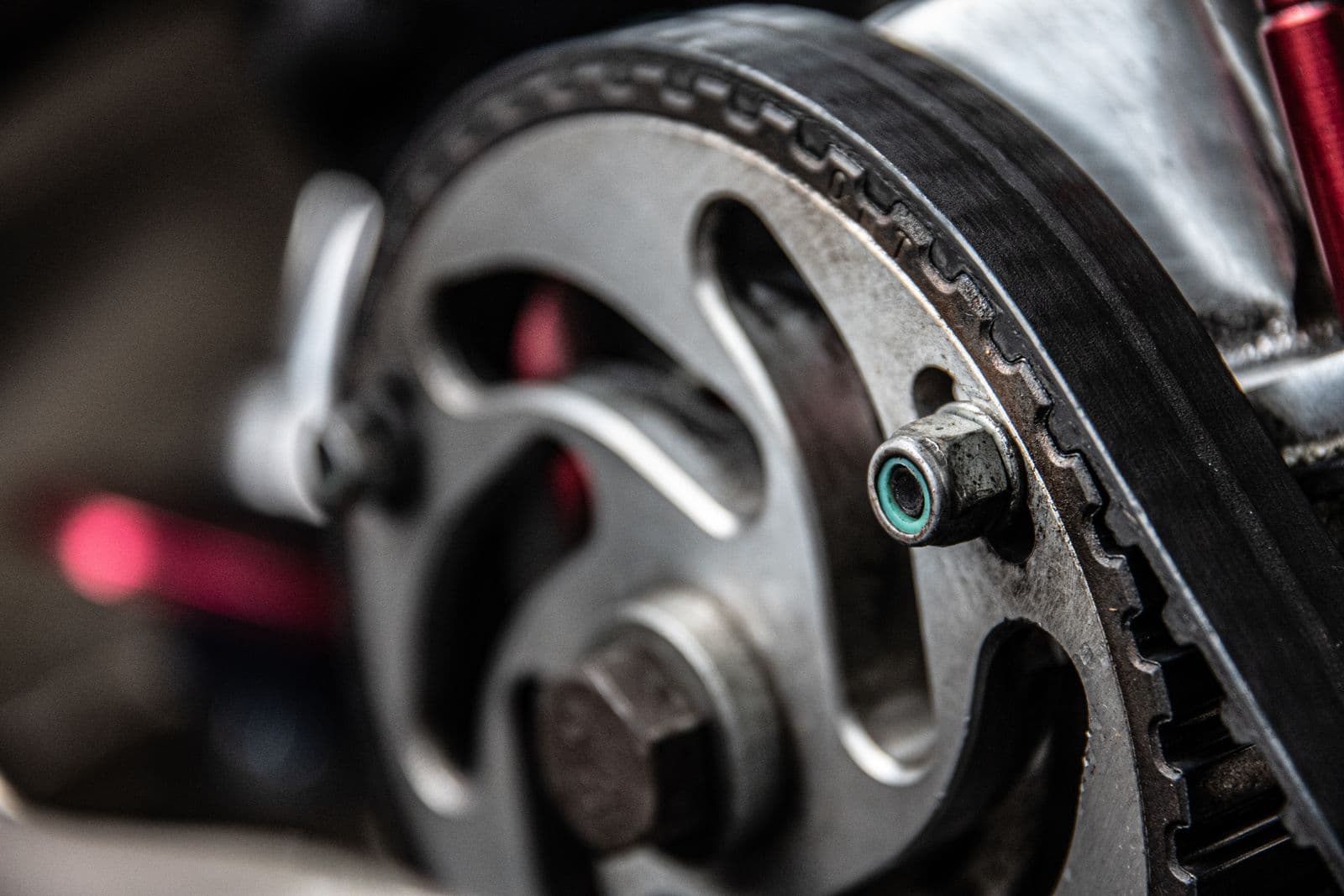
Where it runs.
You will find Track Pads in the parts of a plant where this particular duty actually occurs. In practice that means main battle tank road pads, infantry combat vehicle track pads, armoured recovery vehicle running gear, and equally tracked bridge layers and dozers, self-propelled artillery running gear, workshop track refurbishment lines. What links them is the duty rather than the machine name — duty: Weight-bearing wear item on the track link. If your installation is not on that list it matters less than you would think: the operating condition decides the specification. Send us the load, the speed, the running temperature and the environment it runs in, and we will match it to the right execution in the JK Fenner range and confirm what is in stock.
Specify it against the duty.
Specification here follows the operating condition, not the catalogue. Vehicle makes long road moves between exercise areas — The road-graded compound with low internal heat build-up. A pad optimised for grip on soft ground overheats internally on tarmac and lets go at the bond line. Operating at high ambient temperature and sustained speed — The heat-resistant grade. In hot conditions it is internal heat, not surface abrasion, that destroys the pad first. Ground is rocky or strewn with sharp debris — A cut-and-chip-resistant compound. Abrasion-graded pads still chunk badly when the rubber is being cut rather than rubbed away. Where two of those apply at once, specify for the harsher of the two — under-specifying is what puts the part back on the bench a month later. Send us the duty and we will confirm the execution.
Ordering this from SES.
Change pads as a complete set around the track. A mixture of new and half-worn pads alters the effective track pitch under load and drums badly through the hull at road speed. Send the designation off the failed part and we will confirm the JK Fenner equivalent and stock position.