

V-belts & Wedge Belts
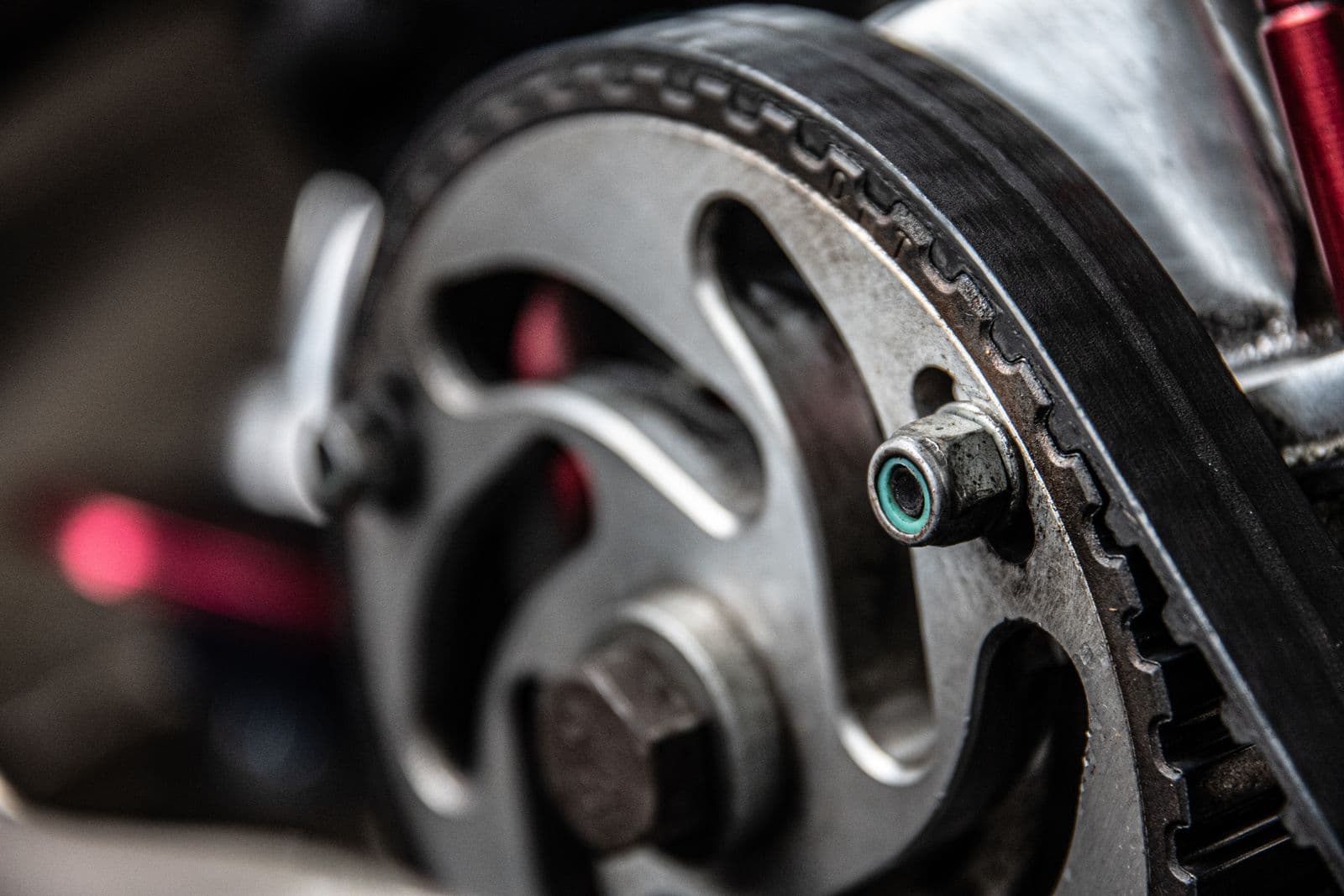
Friction drive belts running in a grooved pulley. Wedge sections carry more power in the same centre distance than classical sections, and raw-edge cogged construction bends more easily around small pulleys. SES holds the range as an authorised JK Fenner distributor, covering classical sections A, B, C, D, E; wedge sections SPZ, SPA, SPB, SPC, and 3V/5V/8V; construction Wrapped, raw-edge cogged, banded; cord Polyester tensile cord, low-stretch. Executions include classical wrapped v-belts, raw-edge cogged v-belts, wedge belts (SPZ, SPA, SPB, SPC), banded / joined v-belts, among others. It is specified most often into centrifugal pump and fan drives and crusher and hammer mill drives. Every part is genuine JK Fenner through official channels, with designation, specification and options confirmed against your duty before it ships — supplied from Kolkata and our branch network, with breakdown cover that does not sit in an inbox.
Send an enquiry
Check Price & Availability.
Give us the size or the failed part — we reply on WhatsApp.
Trusted across Metals & Energy
Supplying India’s Industrial Names.
From integrated steel plants to power utilities and EPC majors — the works that cannot afford a counterfeit part specify through SES.





















Classical
A, B, C, D, E sections
Wedge
SPZ, SPA, SPB, SPC
Construction
Wrapped or raw-edge cogged
Temperature
−30 °C to +80 °C
Where it runs.
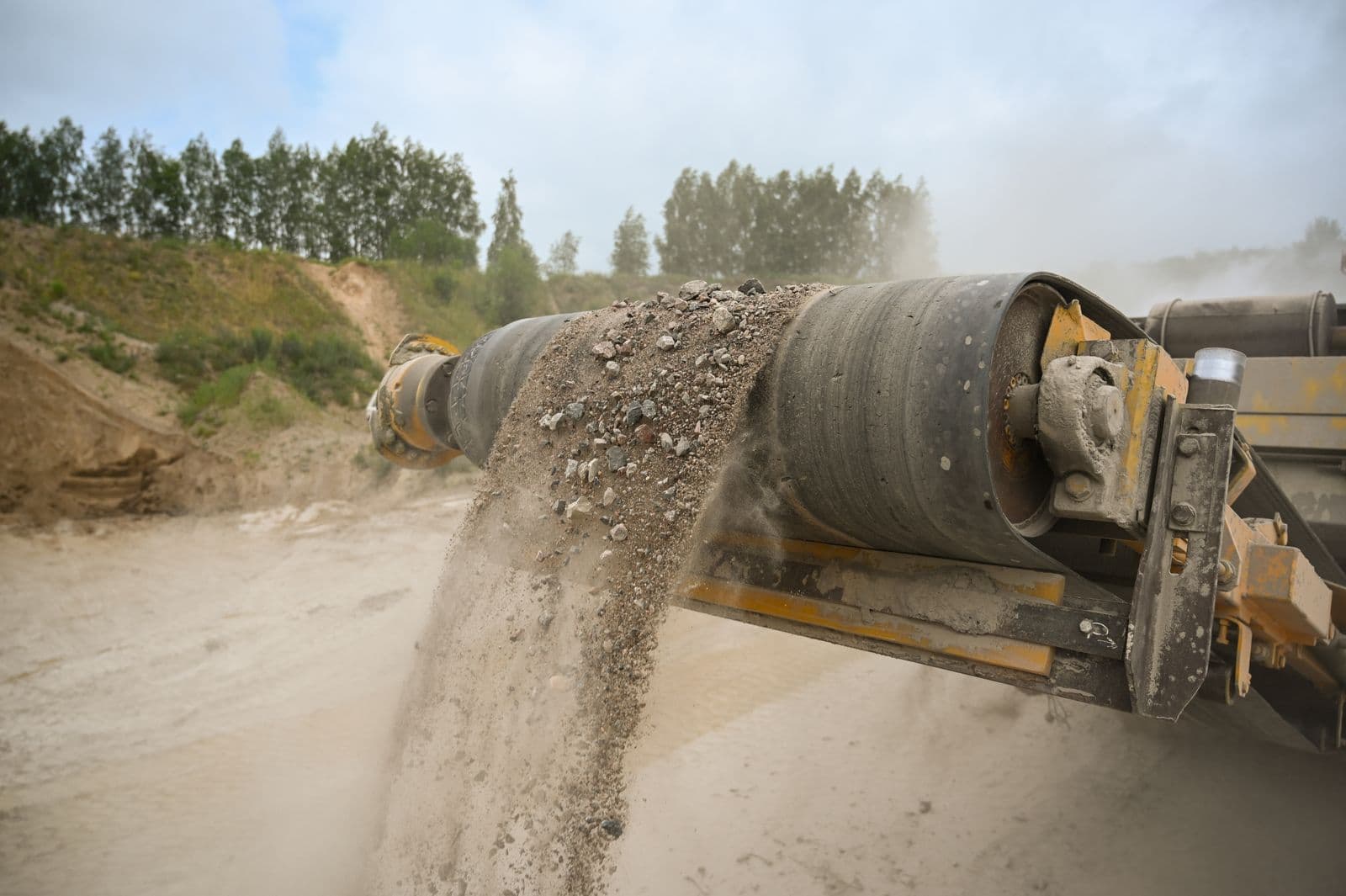
You will find V-belts & Wedge Belts in the parts of a plant where this particular duty actually occurs. In practice that means centrifugal pump and fan drives, crusher and hammer mill drives, tea withering and drying fans, and equally rice mill huller and polisher drives, compressor drives in plant air systems, cooling tower fan gearbox inputs. What links them is the duty rather than the machine name — classical: A, B, C, D, E sections. If your installation is not on that list it matters less than you would think: the operating condition decides the specification. Send us the load, the speed, the running temperature and the environment it runs in, and we will match it to the right execution in the JK Fenner range and confirm what is in stock.
Specify it against the duty.
Specification here follows the operating condition, not the catalogue. Same power required from a smaller drive envelope — Wedge section (SPZ–SPC) instead of classical. Deeper flank contact carries more load per belt. Small pulley diameter or a back-idler in the layout — Raw-edge cogged construction — it flexes tighter without cracking the undercord. Multiple belts on one drive — A matched set, replaced together. Mixing an old belt with new ones puts the whole load on the new belt. Where two of those apply at once, specify for the harsher of the two — under-specifying is what puts the part back on the bench a month later. Send us the duty and we will confirm the execution.
Ordering this from SES.
Re-tension a new belt drive after the first 24 hours of running. Fresh belts seat into the grooves and lose tension; the single most common cause of early belt failure we see is a drive that was tensioned once and never checked again.