
Axial Clamp Seals
A sealing element clamped between the housing and a cover plate, sealing axially against a rotating face instead of radially on the shaft. This suits large diameters and positions where no press-fit bore exists. SES holds the range as an authorised SKF distributor, covering diameters Large — hundreds of mm upward, split above practical solid sizes; materials NBR, HNBR, FKM and abrasion-resistant compounds; clamping Bolted plate or retaining ring against the housing face; counterface Machined flat face on the rotating component. Executions include solid clamped element, split clamped element, double-lip execution for grease purging, heavy abrasion execution for stockyard duty. It is specified most often into slew rings on stackers, reclaimers and cranes and mill and kiln end covers where no seal bore exists. Every part is genuine SKF through official channels, with designation, specification and options confirmed against your duty before it ships — supplied from Kolkata and our branch network, with breakdown cover that does not sit in an inbox.
Send an enquiry
Check Price & Availability.
Give us the size or the failed part — we reply on WhatsApp.
Trusted across Metals & Energy
Supplying India’s Industrial Names.
From integrated steel plants to power utilities and EPC majors — the works that cannot afford a counterfeit part specify through SES.





















Retention
Bolted clamp plate, not a press fit
Sealing direction
Axial, against a rotating flat face
Diameters
Large, including split executions
Change-out
Possible without removing the shaft
Where it runs.
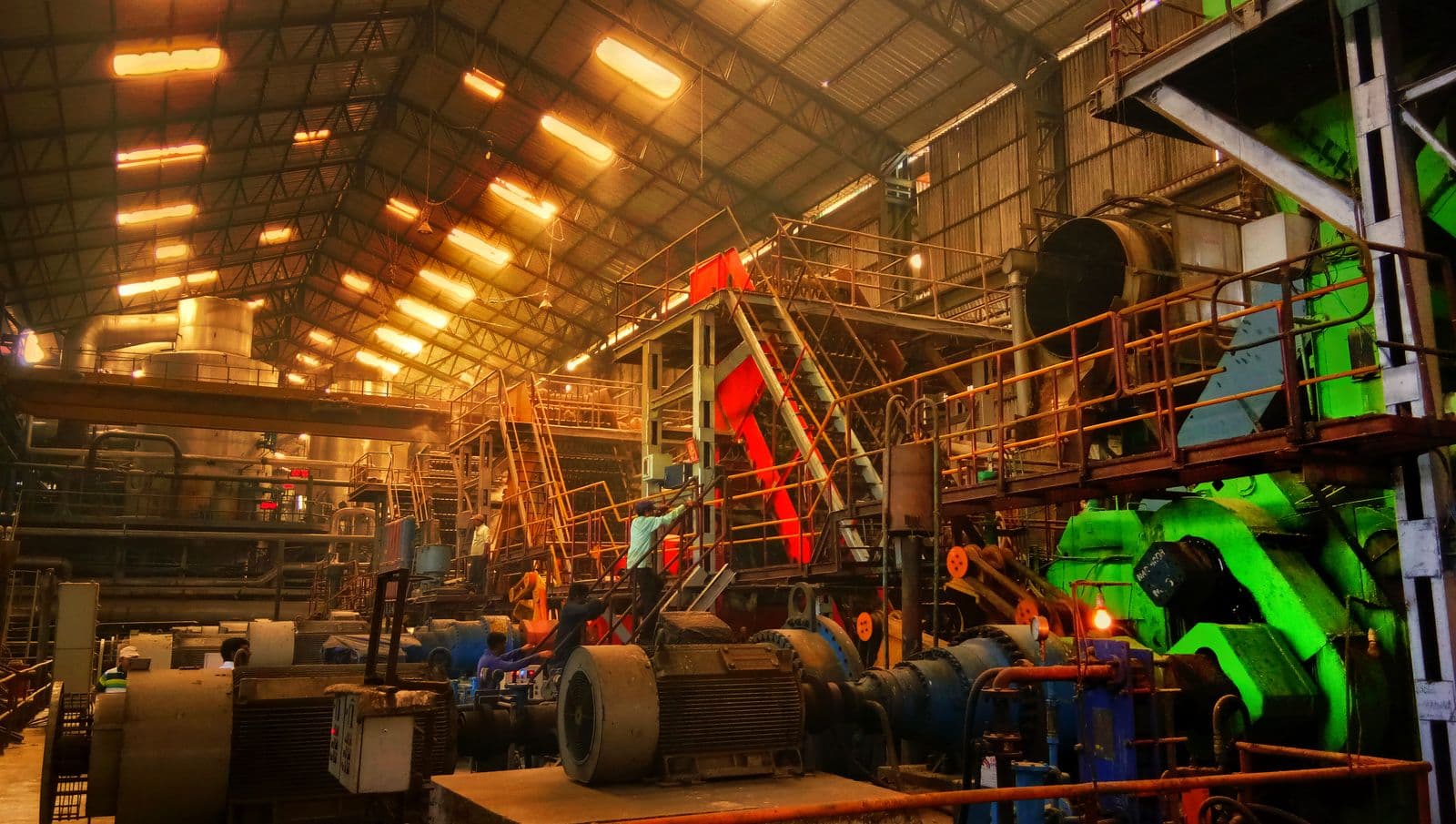
You will find Axial Clamp Seals in the parts of a plant where this particular duty actually occurs. In practice that means slew rings on stackers, reclaimers and cranes, mill and kiln end covers where no seal bore exists, large fan and blower shaft entries, and equally turntable and rotary table bearings, hoist and winch drum end plates, rotary feeders and airlocks in cement plant. What links them is the duty rather than the machine name — retention: Bolted clamp plate, not a press fit. If your installation is not on that list it matters less than you would think: the operating condition decides the specification. Send us the load, the speed, the running temperature and the environment it runs in, and we will match it to the right execution in the SKF range and confirm what is in stock.
Specify it against the duty.
Specification here follows the operating condition, not the catalogue. The housing has a bolted flange but no machined seal bore — The axial clamp arrangement, since it locates on the flange face. Boring a seal seat into an existing cover is usually more work than the seal is worth. Diameter is too large for any moulded radial seal — A split clamped element joined on assembly. Handling a solid ring of that size on a ladder is how seals get kinked before they even go in. The rotating counterface runs out axially — A profile with enough axial flex to follow the wobble. A stiff element loses contact on the retreating half of each revolution and dust walks in. Where two of those apply at once, specify for the harsher of the two — under-specifying is what puts the part back on the bench a month later. Send us the duty and we will confirm the execution.
Ordering this from SES.
Add a grease nipple into the cavity behind the element where the design allows and purge it at each service. A steady outward bleed of grease is the cheapest exclusion barrier there is on a large slow-turning face.