
Belts
Friction and toothed drive belts that carry power between pulleys. Section, length and strand count set the power the drive transmits and how much shock it absorbs before the gearbox feels it. SES holds the range as an authorised SKF distributor, covering classical sections A, B, C, D, E; wedge sections SPZ, SPA, SPB, SPC; ribbed profiles PJ, PK, PL, PM; synchronous pitches Trapezoidal and curvilinear, metric and imperial. Executions include classical wrapped and cogged v-belts, narrow wedge belts, banded multi-strand v-belts, poly-ribbed belts, among others. It is specified most often into ID and PA fan drives on boilers and reciprocating compressor drives in fabrication shops. Every part is genuine SKF through official channels, with designation, specification and options confirmed against your duty before it ships — supplied from Kolkata and our branch network, with breakdown cover that does not sit in an inbox.
Send an enquiry
Check Price & Availability.
Give us the size or the failed part — we reply on WhatsApp.
Trusted across Metals & Energy
Supplying India’s Industrial Names.
From integrated steel plants to power utilities and EPC majors — the works that cannot afford a counterfeit part specify through SES.





















Types
Classical V, wedge, ribbed, synchronous
Power path
Flank friction, or tooth engagement
Slip
1 to 2 % on V-belts, none on synchronous
Temp window
Roughly -30 °C to +80 °C on standard rubber

Where it runs.
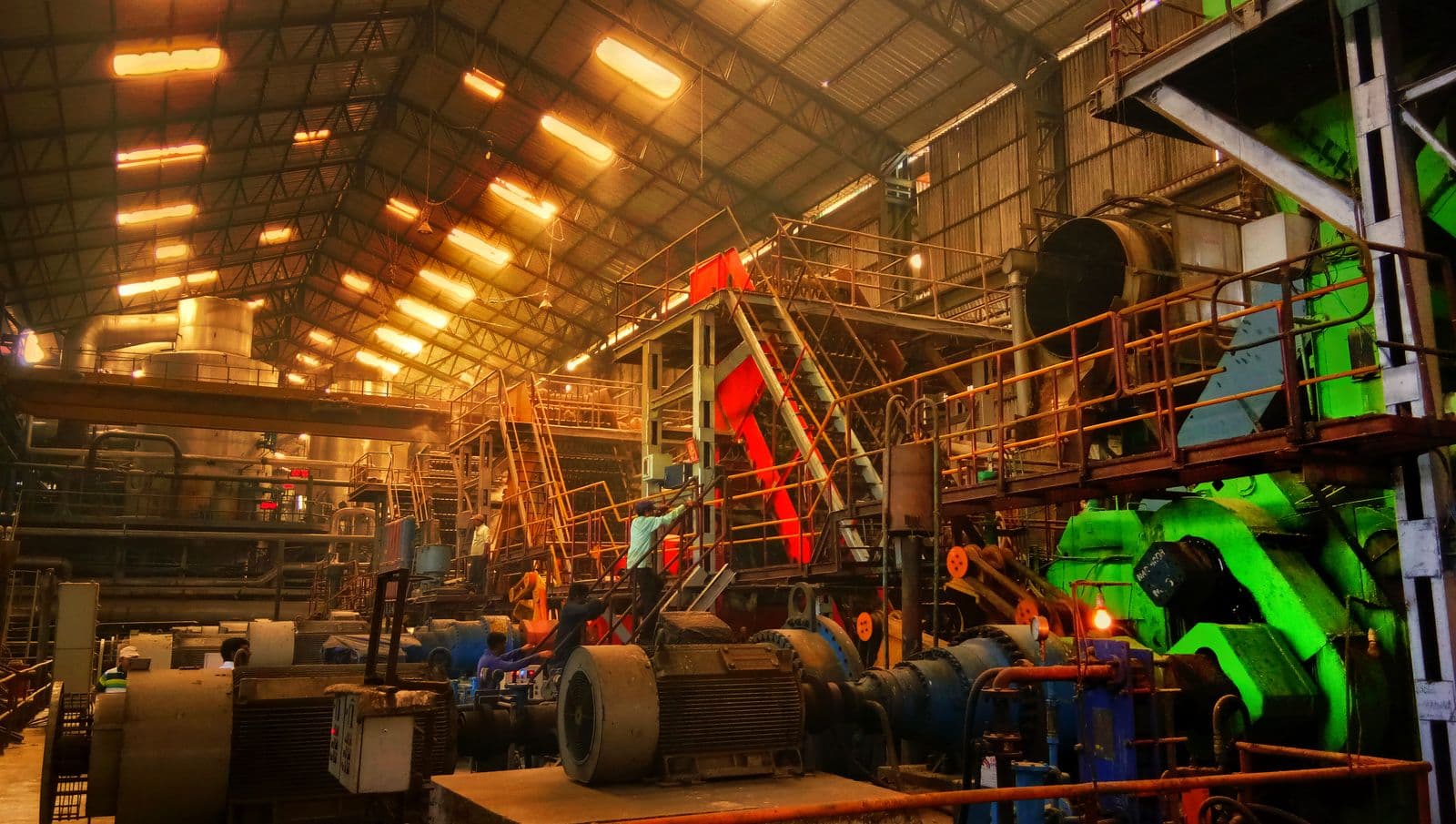
You will find Belts in the parts of a plant where this particular duty actually occurs. In practice that means ID and PA fan drives on boilers, reciprocating compressor drives in fabrication shops, crusher and pulveriser main drives, and equally paddy dryer blower drives in rice mills, machine tool spindle drives, cooling tower fan drives. What links them is the duty rather than the machine name — types: Classical V, wedge, ribbed, synchronous. If your installation is not on that list it matters less than you would think: the operating condition decides the specification. Send us the load, the speed, the running temperature and the environment it runs in, and we will match it to the right execution in the SKF range and confirm what is in stock.
Specify it against the duty.
Specification here follows the operating condition, not the catalogue. Belts turn over or jump out of the groove — Check the pulley groove before you blame the belt. A worn groove lets the belt bottom out, and a new belt in a worn pulley fails again within weeks. Several strands run on one drive — A matched set, changed together. Mixing an old belt with a new one loads the new strand alone and it stretches and burns. Short centre distance with high torque — Wedge section rather than classical. The deeper flank carries more per strand in the same pulley width. Where two of those apply at once, specify for the harsher of the two — under-specifying is what puts the part back on the bench a month later. Send us the duty and we will confirm the execution.
Ordering this from SES.
Re-tension after the first day of running. New belts seat into the grooves and shed a measurable slice of their tension in the first shift, and a slack V-belt burns its flanks long before it ever snaps.