
Bolts and Tightening Systems
Hydraulic and mechanical tooling, plus the studs and nuts themselves, for putting a controlled and measurable preload into large bolted joints. Torque read off a spanner is a poor proxy for bolt tension; these systems set the tension directly. SES holds the range as an authorised SKF distributor, covering tooling Bolt tensioners, hydraulic torque wrenches, nut splitters; circuit pressure Commonly up to 1500 bar on tensioning systems; stud sizes Roughly M20 upward on hydraulic tensioning; pumps Hand, air-driven and electric. Executions include hydraulic bolt tensioners, hydraulic torque wrenches, hydraulic pumps and hose sets, multi-stud tensioning kits, among others. It is specified most often into turbine and pump casing flanges in power plants and mill shell and girth gear bolting in cement works. Every part is genuine SKF through official channels, with designation, specification and options confirmed against your duty before it ships — supplied from Kolkata and our branch network, with breakdown cover that does not sit in an inbox.
Send an enquiry
Check Price & Availability.
Give us the size or the failed part — we reply on WhatsApp.
Trusted across Metals & Energy
Supplying India’s Industrial Names.
From integrated steel plants to power utilities and EPC majors — the works that cannot afford a counterfeit part specify through SES.





















Method
Hydraulic tensioning or torque-controlled tightening
Accuracy
Far tighter scatter than a plain torque wrench
Typical joints
Flanges, mill covers, foundation and coupling bolts
Output
Documented preload per bolt
Where it runs.
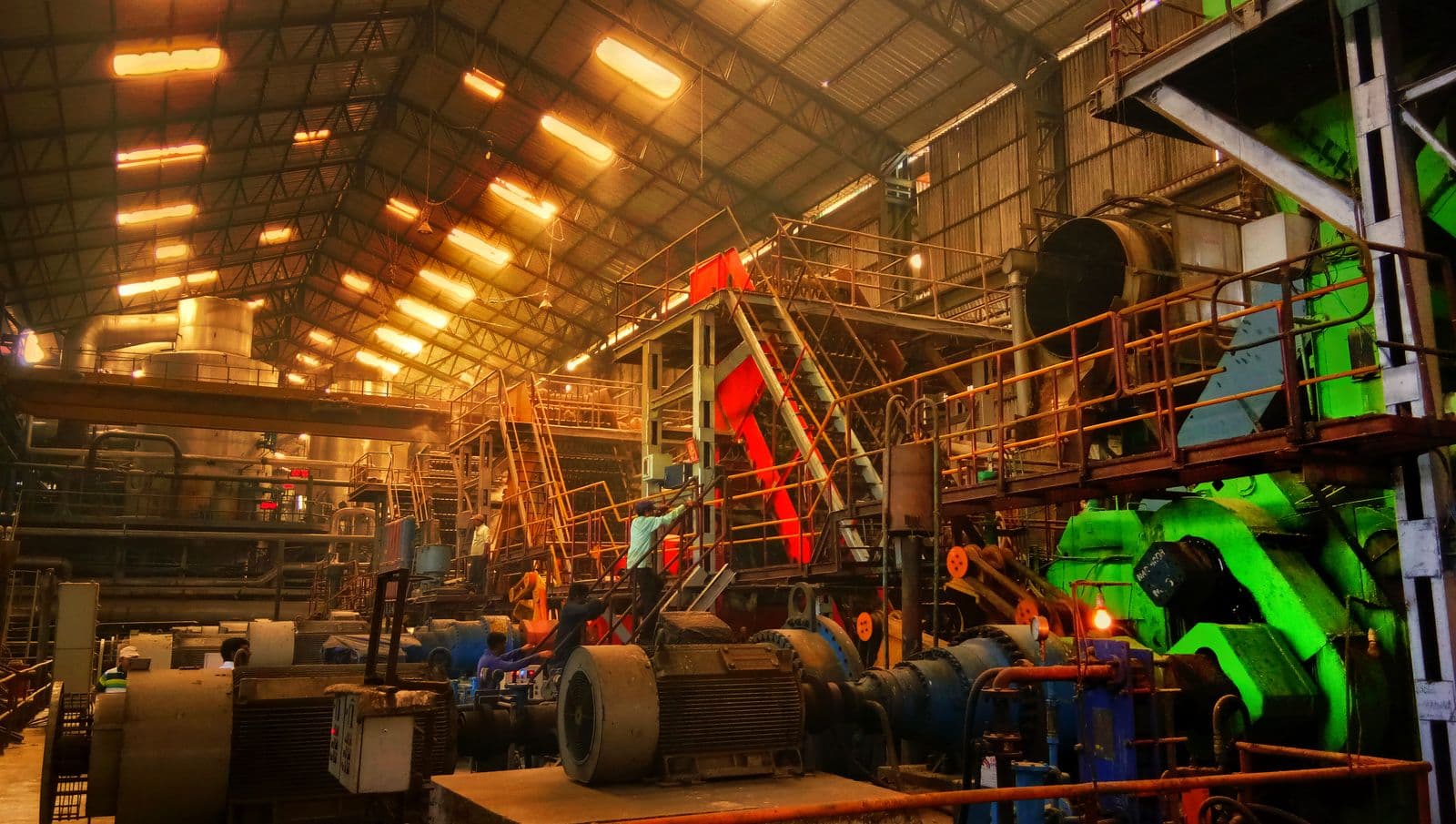
You will find Bolts and Tightening Systems in the parts of a plant where this particular duty actually occurs. In practice that means turbine and pump casing flanges in power plants, mill shell and girth gear bolting in cement works, crusher frame tie bolts, and equally generator and machine foundation bolting, large flanged pipework in refineries, gearbox and bearing housing cap bolts. What links them is the duty rather than the machine name — method: Hydraulic tensioning or torque-controlled tightening. If your installation is not on that list it matters less than you would think: the operating condition decides the specification. Send us the load, the speed, the running temperature and the environment it runs in, and we will match it to the right execution in the SKF range and confirm what is in stock.
Specify it against the duty.
Specification here follows the operating condition, not the catalogue. Joint must come up evenly all the way round a bolt circle — A multi-stud tensioner set that pulls several bolts at once. Sequential tightening always leaves the first bolts short once the last ones are pulled. Access is too tight for a tensioner to sit over the stud — A hydraulic torque wrench with a proper reaction arm, and allow for friction scatter in the target figure. Joint has leaked again after previous tightening — Measure stud free length before re-tightening. A necked stud never reaches preload again and has to be scrapped. Where two of those apply at once, specify for the harsher of the two — under-specifying is what puts the part back on the bench a month later. Send us the duty and we will confirm the execution.
Ordering this from SES.
Bolt relaxation after the first pull is real. On a gasketed flange you will lose part of the preload as the gasket beds in, so plan a second pass rather than over-tensioning on the first one. Send the designation off the failed part and we will confirm the SKF equivalent and stock position.