
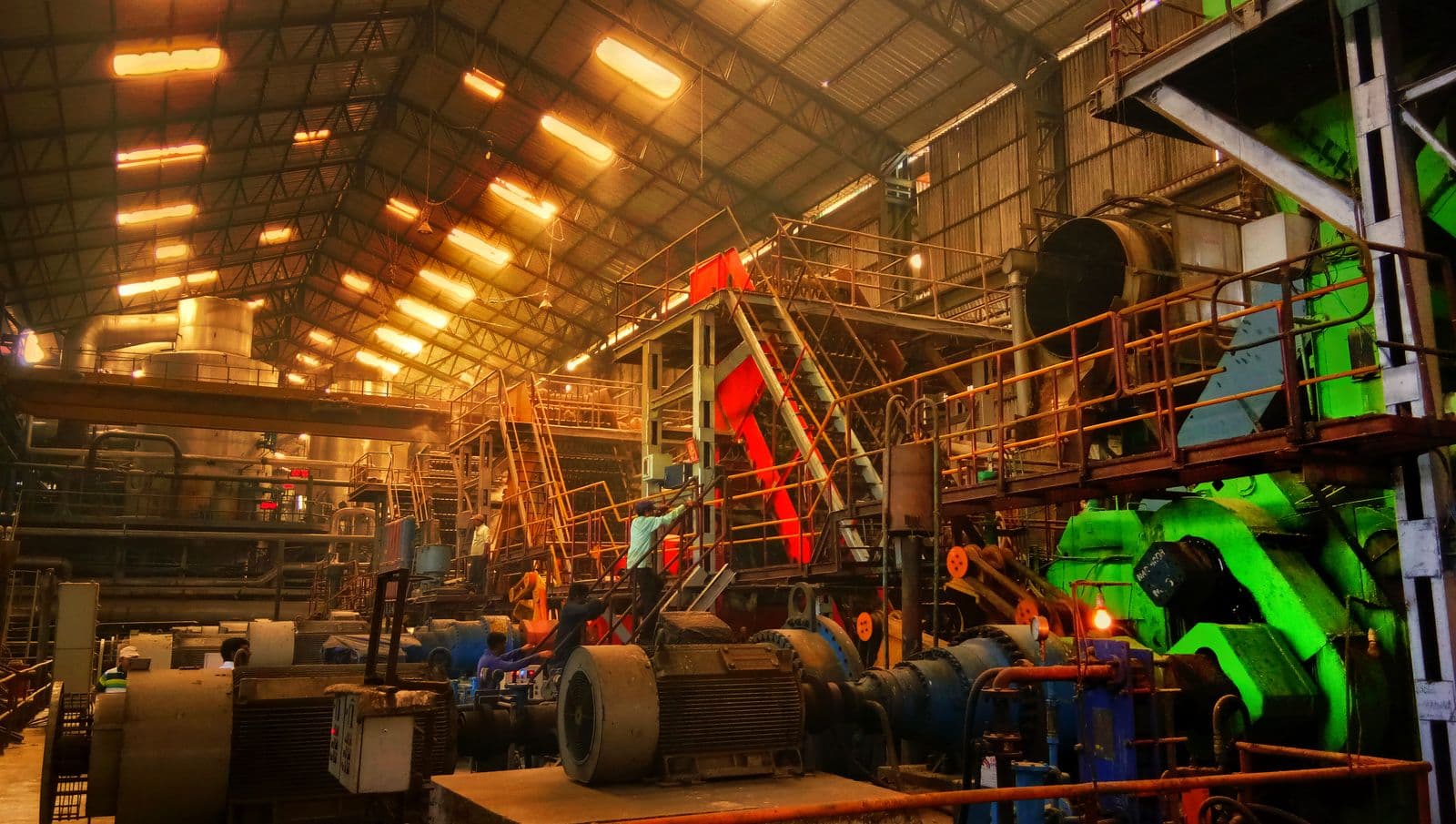
Bushings
Wrapped or machined sleeves pressed into a housing bore to give a shaft something replaceable to run against. The liner does the sliding work, and the steel backing supplies the strength and the press fit. SES holds the range as an authorised SKF distributor, covering bore range Roughly 3 mm to 300 mm; forms Cylindrical, flanged, and slit wrapped constructions; materials Steel-backed PTFE composite, steel-backed POM, wrapped and sintered bronze; fit Interference in the housing, clearance on the shaft. Executions include cylindrical composite bushings, flanged composite bushings, wrapped bronze bushings, sintered bronze bushings, among others. It is specified most often into pin bushes in loader and tipper linkages and guide bushes in press die sets. Every part is genuine SKF through official channels, with designation, specification and options confirmed against your duty before it ships — supplied from Kolkata and our branch network, with breakdown cover that does not sit in an inbox.
Send an enquiry
Check Price & Availability.
Give us the size or the failed part — we reply on WhatsApp.
Trusted across Metals & Energy
Supplying India’s Industrial Names.
From integrated steel plants to power utilities and EPC majors — the works that cannot afford a counterfeit part specify through SES.





















Form
Cylindrical or flanged sleeve
Wall
Thin — final bore comes from the housing
Liner
PTFE composite, POM, bronze
Motion
Rotating, oscillating, linear
Where it runs.
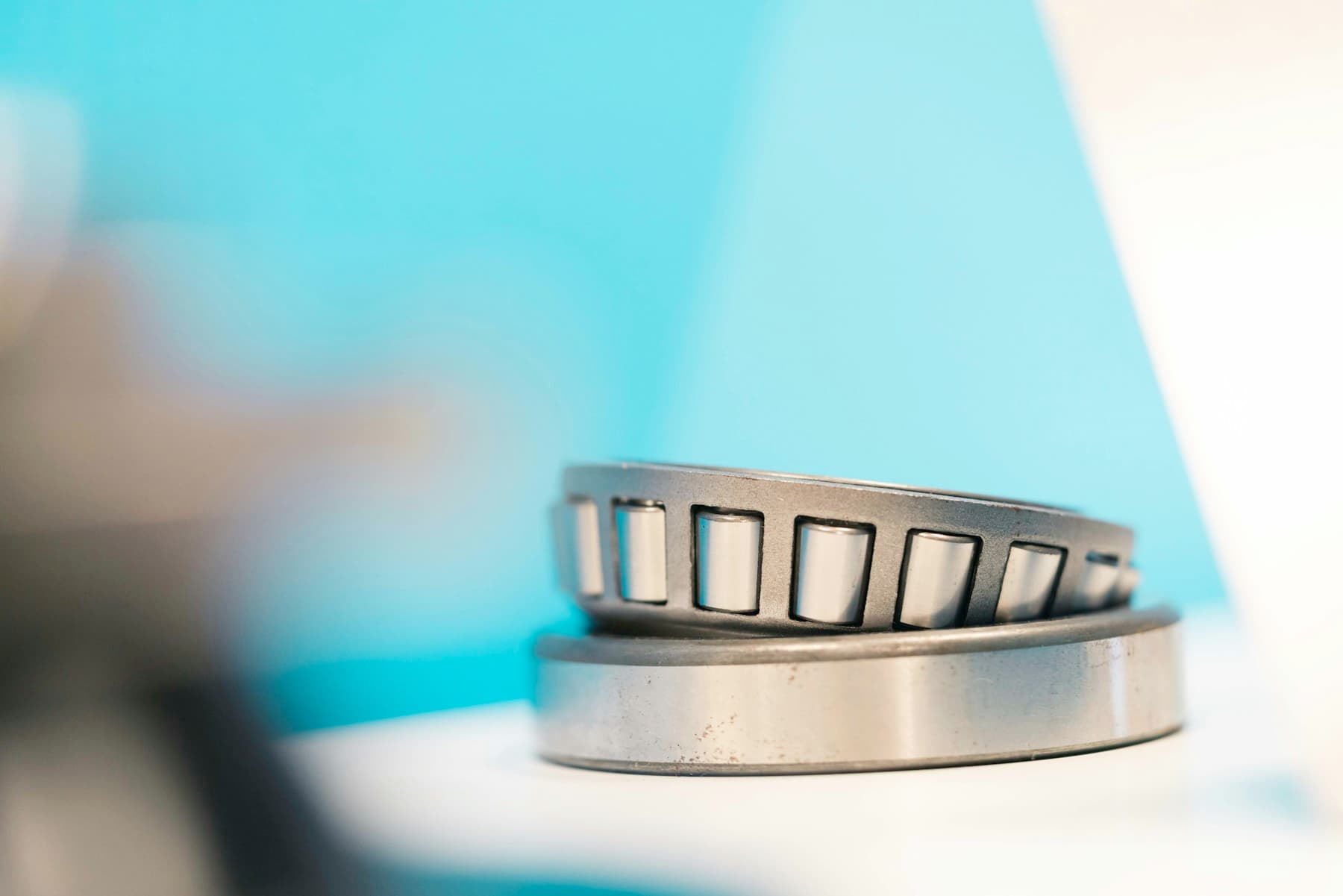
You will find Bushings in the parts of a plant where this particular duty actually occurs. In practice that means pin bushes in loader and tipper linkages, guide bushes in press die sets, idler and roller supports on light conveyors, and equally hinge bushes on furnace and kiln doors, pump and valve stem guides, pedal, lever and control shaft supports. What links them is the duty rather than the machine name — form: Cylindrical or flanged sleeve. If your installation is not on that list it matters less than you would think: the operating condition decides the specification. Send us the load, the speed, the running temperature and the environment it runs in, and we will match it to the right execution in the SKF range and confirm what is in stock.
Specify it against the duty.
Specification here follows the operating condition, not the catalogue. Housing is thin-walled or made from light alloy — Check the retained interference at operating temperature. Aluminium grows away from a steel-backed bush and a spinning bush ruins the housing bore. The shaft rotates continuously rather than oscillating — Bronze, or a liner rated for continuous pressure-velocity duty. Dry composite liners are budgeted on rubbing speed times pressure, and continuous rotation spends that budget quickly. The joint sees regular water washdown — A liner that tolerates water and a backing that will not rust into the housing. A rusted-in bush has to be machined out and the bore is oversize afterwards. Where two of those apply at once, specify for the harsher of the two — under-specifying is what puts the part back on the bench a month later. Send us the duty and we will confirm the execution.
Ordering this from SES.
Press these in with a piloted mandrel that supports the full bore, entering from the chamfered end. A bush driven in on its edge with a hammer goes in oval, and the shaft then only ever touches two spots.