
Chain Lubrication Solutions
Timed application of oil to a moving chain, aimed at the pin and bushing where the wear actually happens. Getting oil into the joint is the whole job; oil on the outer plates does nothing but collect dust. SES holds the range as an authorised SKF distributor, covering application methods Brush, nozzle spray, pin-precise injection; fluids Mineral, synthetic and food-grade chain oils; temperature Chain oils available to around 250 °C; control Timer, encoder or PLC signal. Executions include brush lubrication units, spray nozzle systems, pin-precise dosing systems, high temperature oven chain systems, among others. It is specified most often into bucket elevator chains in cement and agro plants and drag chain conveyors on ash and clinker handling. Every part is genuine SKF through official channels, with designation, specification and options confirmed against your duty before it ships — supplied from Kolkata and our branch network, with breakdown cover that does not sit in an inbox.
Send an enquiry
Check Price & Availability.
Give us the size or the failed part — we reply on WhatsApp.
Trusted across Metals & Energy
Supplying India’s Industrial Names.
From integrated steel plants to power utilities and EPC majors — the works that cannot afford a counterfeit part specify through SES.
















Target
Pin and bushing joint, not the plates
Delivery
Brush, spray nozzle or pin-precise timing
Trigger
Chain speed or timer controlled
Symptom of failure
Chain elongation and jumping teeth
Where it runs.
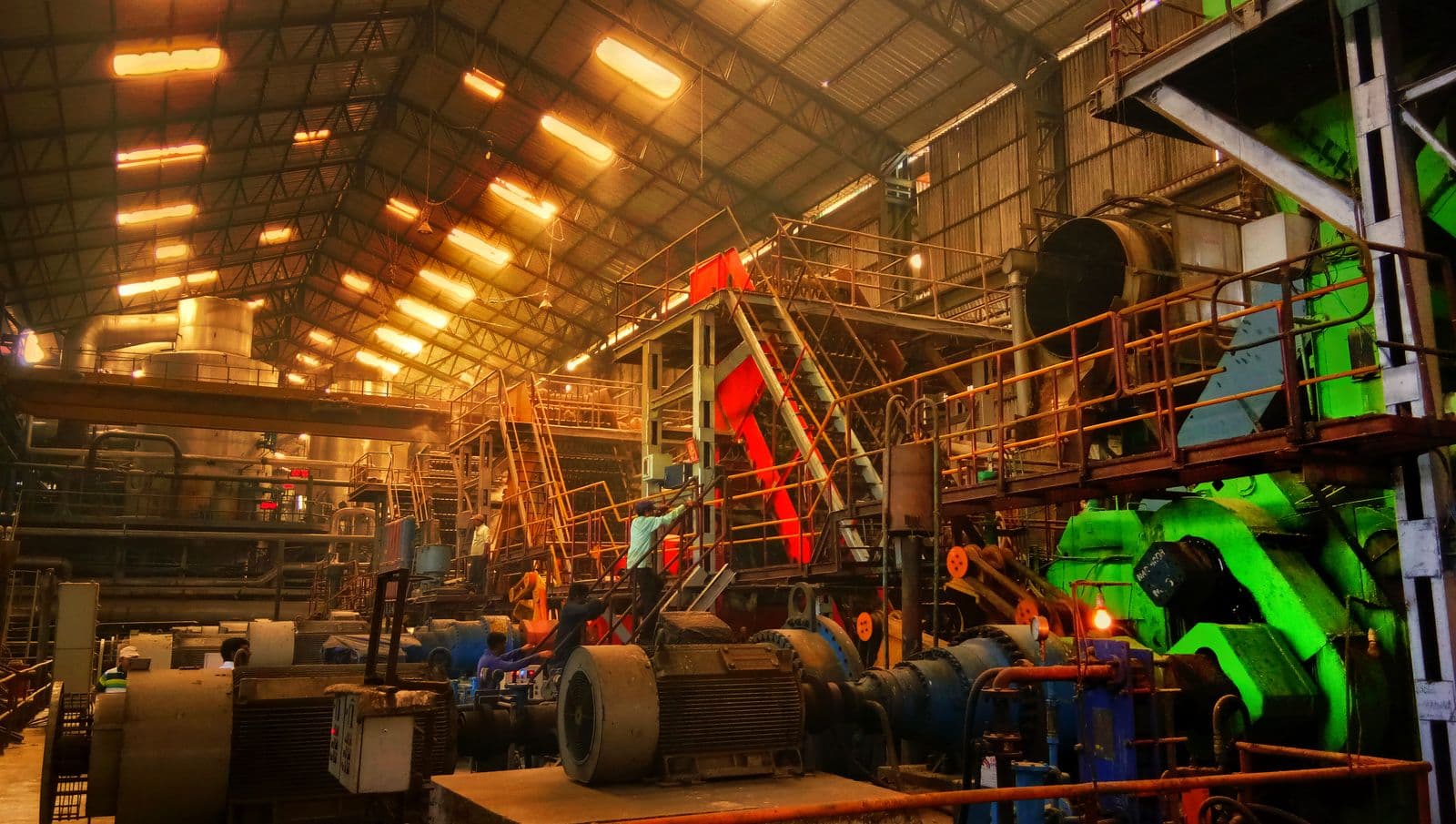
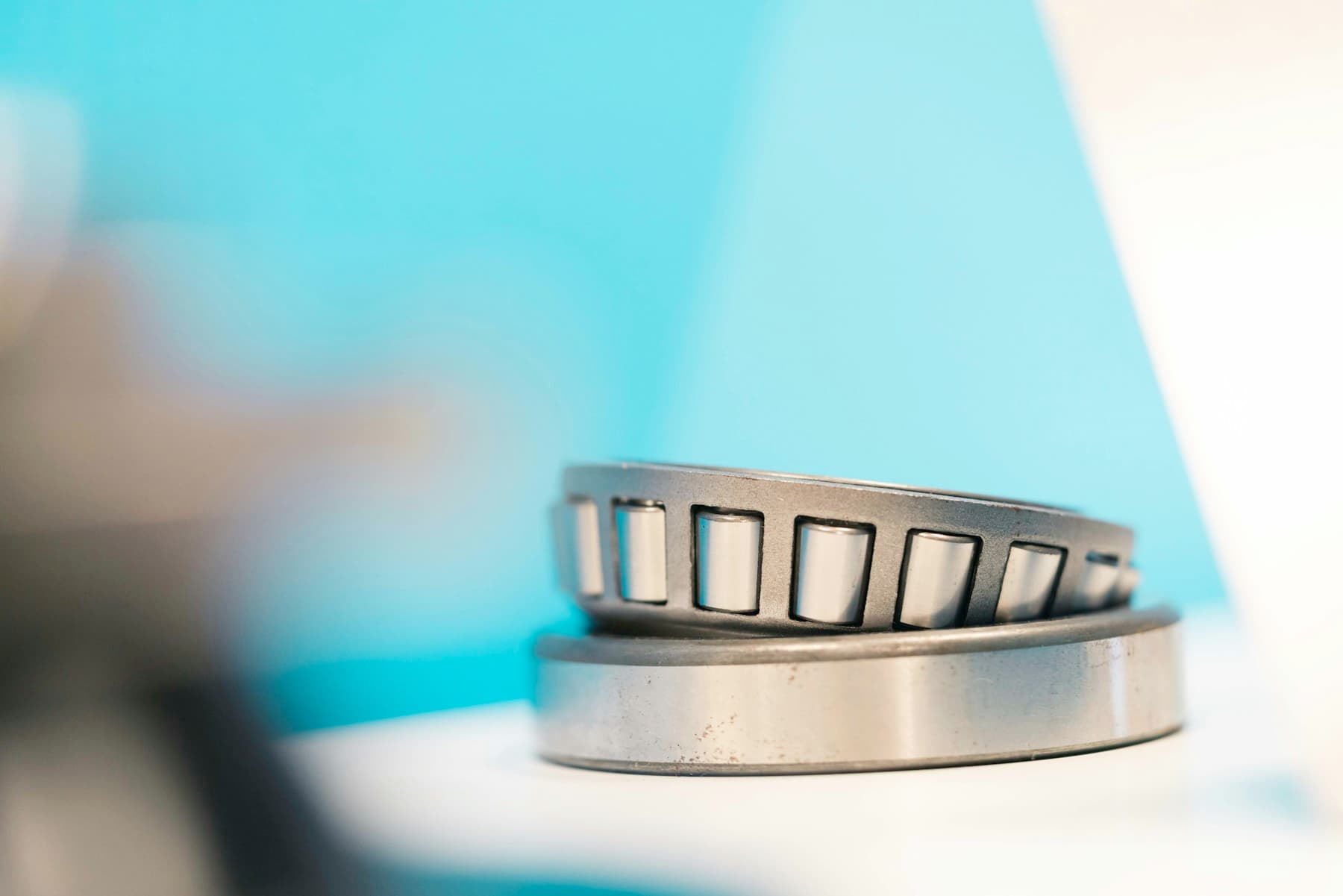
You will find Chain Lubrication Solutions in the parts of a plant where this particular duty actually occurs. In practice that means bucket elevator chains in cement and agro plants, drag chain conveyors on ash and clinker handling, oven and dryer chains in food and tea processing, and equally paint and pretreatment line conveyor chains, escalator and passenger conveyor chains, apron feeders under crushers and hoppers. What links them is the duty rather than the machine name — target: Pin and bushing joint, not the plates. If your installation is not on that list it matters less than you would think: the operating condition decides the specification. Send us the load, the speed, the running temperature and the environment it runs in, and we will match it to the right execution in the SKF range and confirm what is in stock.
Specify it against the duty.
Specification here follows the operating condition, not the catalogue. Chain runs through an oven or a hot drying tunnel — A high temperature synthetic chain oil applied outside the hot zone. Mineral oil carbonises in the joint and the resulting deposit locks the pins solid. Chain is drenched in fine dust from a transfer point — A dry-film or low-tack lubricant. A tacky oil in that environment builds a grinding paste in the joint and accelerates elongation. Chain speed varies with production rate — Speed-proportional dosing driven from an encoder, not a fixed timer; fixed dosing over-lubricates at low rates and starves the chain at full rate. Where two of those apply at once, specify for the harsher of the two — under-specifying is what puts the part back on the bench a month later. Send us the duty and we will confirm the execution.
Ordering this from SES.
Measure chain elongation over a fixed number of pitches every quarter and keep the figures. Elongation is the only honest report card a chain lubrication system gets, and it will tell you about a misaimed nozzle long before the chain jumps.