
Condition Monitoring
Instruments and systems that measure vibration, temperature and running behaviour so a failing bearing or a misaligned drive shows up weeks before it stops the line. Pick between walk-round instruments, permanently fitted sensors and protection racks according to how much a stoppage costs. SES holds the range as an authorised SKF distributor, covering frequency span Sub-hertz on slow machines up to tens of kHz on enveloping; sensor types Accelerometers, eddy-current probes, temperature and speed inputs; channel counts Single-point handhelds through multi-rack systems; data handling Route download, wired network or wireless gateway. Executions include portable condition monitoring, continuous monitoring, machine protection systems, vibration sensors and cabling, among others. It is specified most often into boiler feed pumps and ID fans in power stations and kiln drives and raw mill fans in cement plants. Every part is genuine SKF through official channels, with designation, specification and options confirmed against your duty before it ships — supplied from Kolkata and our branch network, with breakdown cover that does not sit in an inbox.
Send an enquiry
Check Price & Availability.
Give us the size or the failed part — we reply on WhatsApp.
Trusted across Metals & Energy
Supplying India’s Industrial Names.
From integrated steel plants to power utilities and EPC majors — the works that cannot afford a counterfeit part specify through SES.





















Measured
Vibration, temperature, speed, lubricant condition
Approach
Route-based, continuous or protection-grade
Detects
Bearing defects, unbalance, misalignment, looseness
Output
Trend data and alarm thresholds

Where it runs.
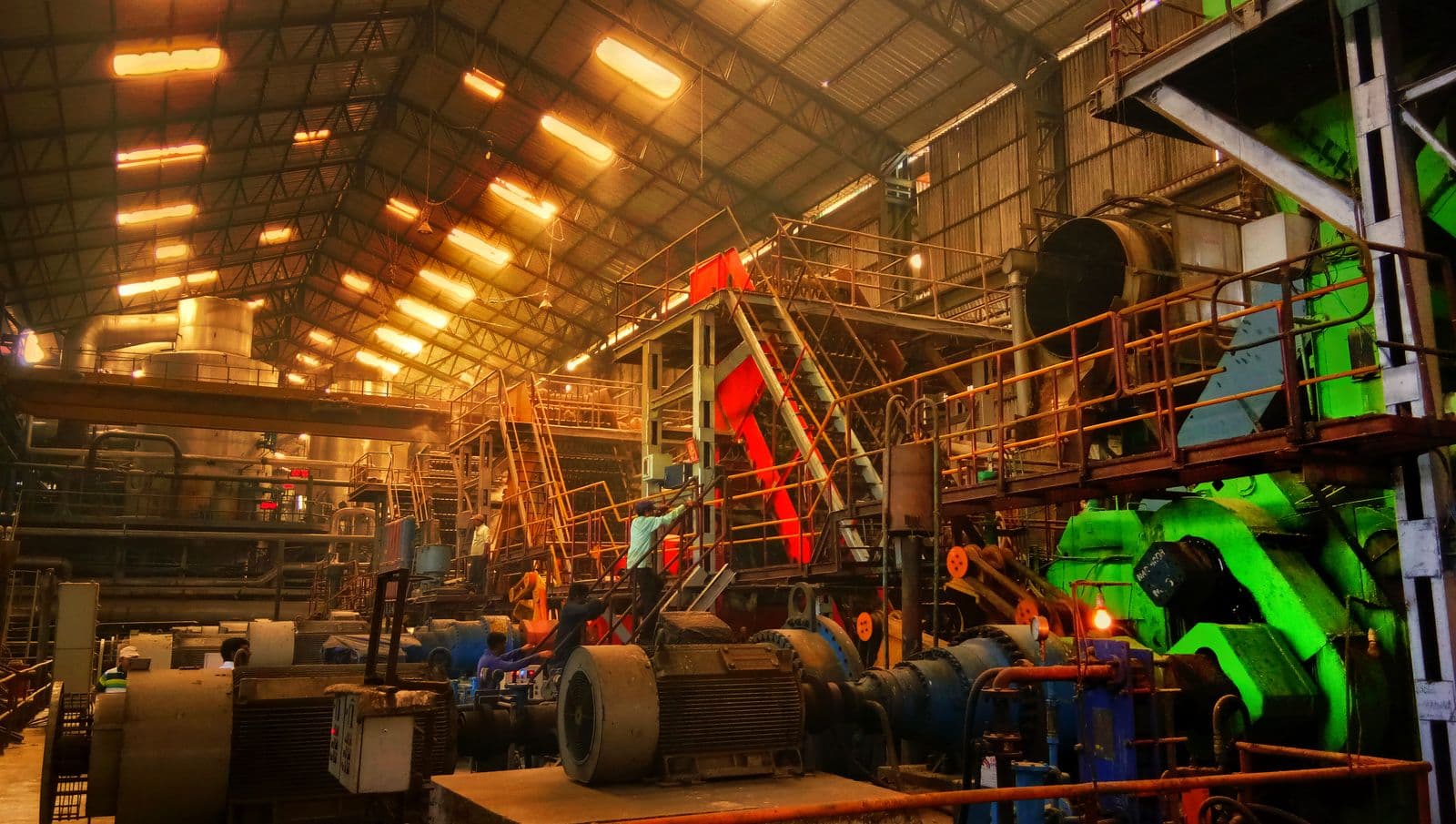
You will find Condition Monitoring in the parts of a plant where this particular duty actually occurs. In practice that means boiler feed pumps and ID fans in power stations, kiln drives and raw mill fans in cement plants, blowers and mill stands in steel works, and equally critical process pumps in refineries, paper machine drive sections, compressor houses and cooling tower decks. What links them is the duty rather than the machine name — measured: Vibration, temperature, speed, lubricant condition. If your installation is not on that list it matters less than you would think: the operating condition decides the specification. Send us the load, the speed, the running temperature and the environment it runs in, and we will match it to the right execution in the SKF range and confirm what is in stock.
Specify it against the duty.
Specification here follows the operating condition, not the catalogue. Machine is spare-backed and easy to walk up to — A portable route instrument. Wiring permanent sensors to a machine anyone can reach safely is money better spent elsewhere. Machine sits in a hot, gassy or otherwise unreachable spot — Permanently installed sensors, so nobody has to enter the area just to take a reading. An unplanned stop costs more than a full day of production — A protection system that trips the machine, not only a monitoring system that raises an alarm somebody may not see. Where two of those apply at once, specify for the harsher of the two — under-specifying is what puts the part back on the bench a month later. Send us the duty and we will confirm the execution.
Ordering this from SES.
The instrument is the cheap part of this. Budget for the measurement points, the route setup and somebody's time every month, because a data collector left in a cupboard has never caught a single bearing.