
Customized Thin Section Bearings
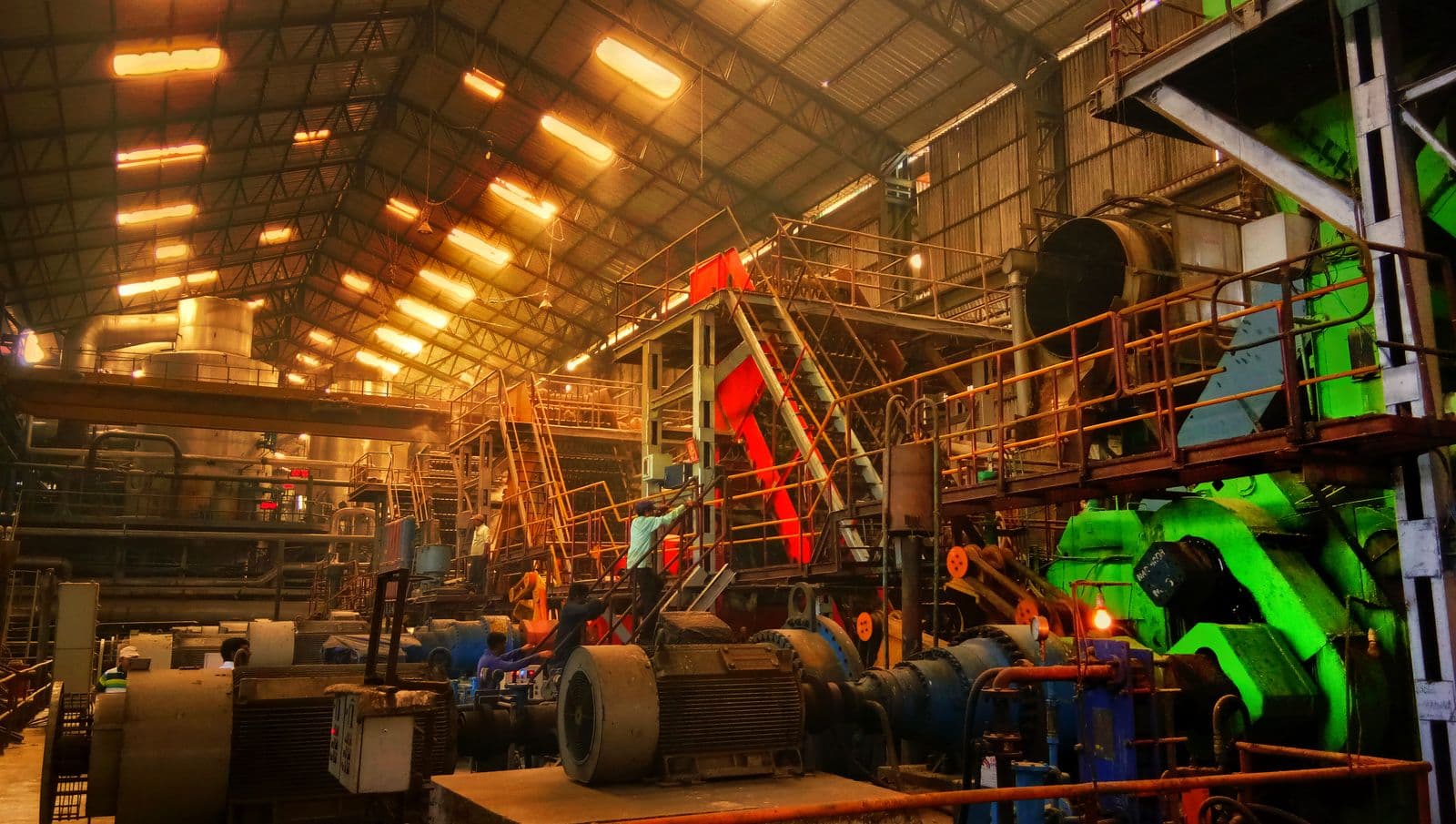
When no catalogue thin section bearing fits the design, the rings themselves get modified — flanges, mounting holes, gear teeth, seal grooves, special materials or coatings. The result is a bearing that is also the structural interface, and that is where the real height and weight saving comes from. SES holds the range as an authorised SKF distributor, covering base geometry Standard thin section contact types and sections; ring modifications Mounting holes, flanges, slots, gear teeth, seal grooves; materials Bearing steel, stainless, non-magnetic and special alloys; coatings Corrosion and wear coatings on rings and rolling elements. Executions include rings with integral mounting holes, flanged ring executions, geared ring executions, stainless and non-magnetic builds, among others. It is specified most often into robot joints where the bearing is also the joint housing and medical equipment with non-magnetic requirements. Every part is genuine SKF through official channels, with designation, specification and options confirmed against your duty before it ships — supplied from Kolkata and our branch network, with breakdown cover that does not sit in an inbox.
Send an enquiry
Check Price & Availability.
Give us the size or the failed part — we reply on WhatsApp.
Trusted across Metals & Energy
Supplying India’s Industrial Names.
From integrated steel plants to power utilities and EPC majors — the works that cannot afford a counterfeit part specify through SES.





















Basis
Standard thin section geometry, modified rings
Common changes
Holes, flanges, teeth, slots, coatings
Materials
Stainless, special steels, non-magnetic options
Lead time
Longer than stock — plan it into the project
Where it runs.
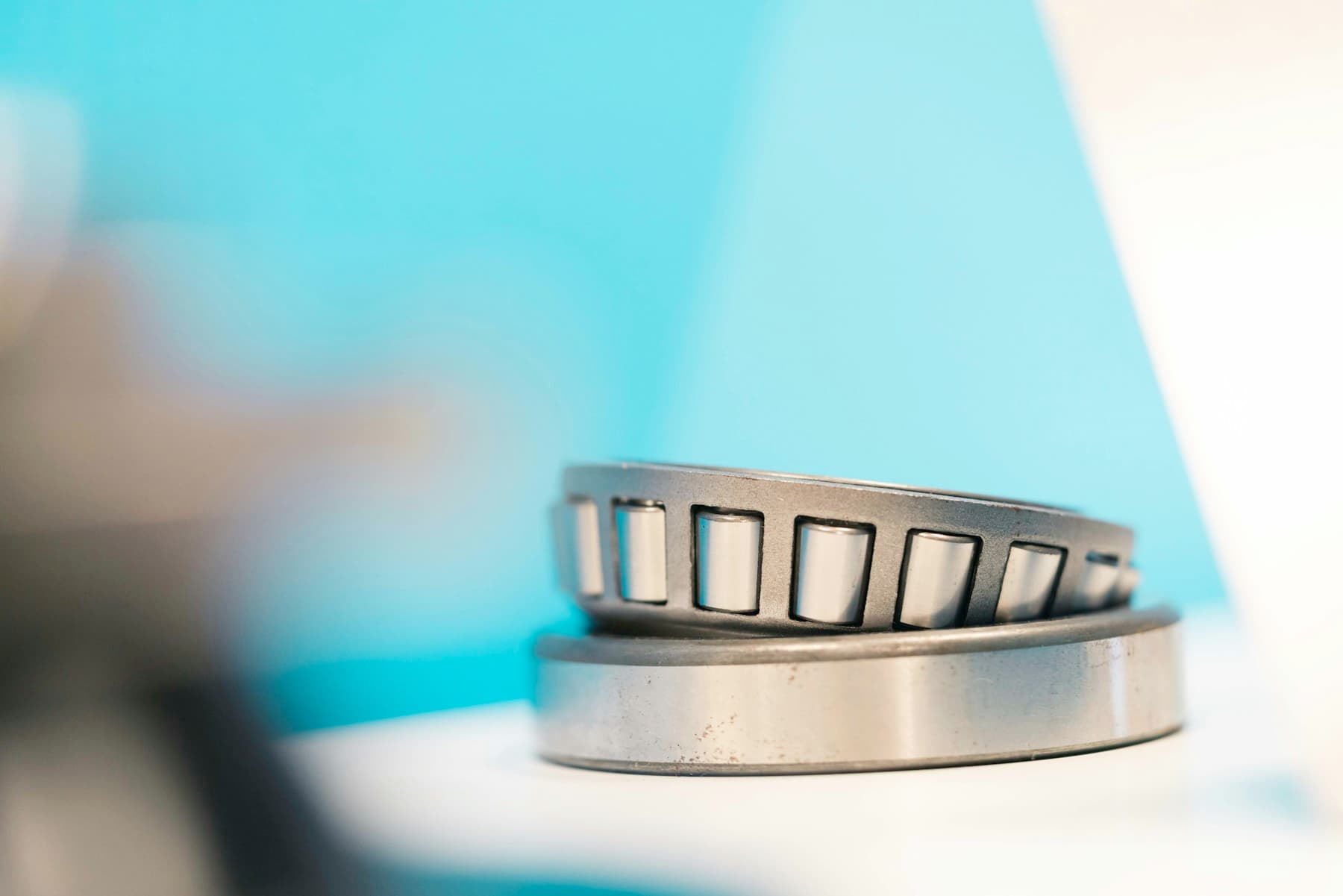
You will find Customized Thin Section Bearings in the parts of a plant where this particular duty actually occurs. In practice that means robot joints where the bearing is also the joint housing, medical equipment with non-magnetic requirements, vacuum chamber rotary feedthroughs, and equally optical instrument axes needing an integral flange, geared rotary axes with no room for a separate pinion ring, defence and aerospace positioners with special finishes. What links them is the duty rather than the machine name — basis: Standard thin section geometry, modified rings. If your installation is not on that list it matters less than you would think: the operating condition decides the specification. Send us the load, the speed, the running temperature and the environment it runs in, and we will match it to the right execution in the SKF range and confirm what is in stock.
Specify it against the duty.
Specification here follows the operating condition, not the catalogue. You are planning to add an adaptor ring to a standard bearing — The customised bearing instead. An adaptor is a second set of fits and a second tolerance stack, and it costs back the height you were saving. The environment is vacuum or a clean process — Lubricant and cage material settled at enquiry stage. Those are the parts that outgas, and neither can be changed once the rings are ground. A drive has to act on the bearing itself — Gear teeth cut into a ring with the tooth root kept well clear of the raceway. Teeth cut too deep distort the raceway and the bearing feels it every revolution. Where two of those apply at once, specify for the harsher of the two — under-specifying is what puts the part back on the bench a month later. Send us the duty and we will confirm the execution.
Ordering this from SES.
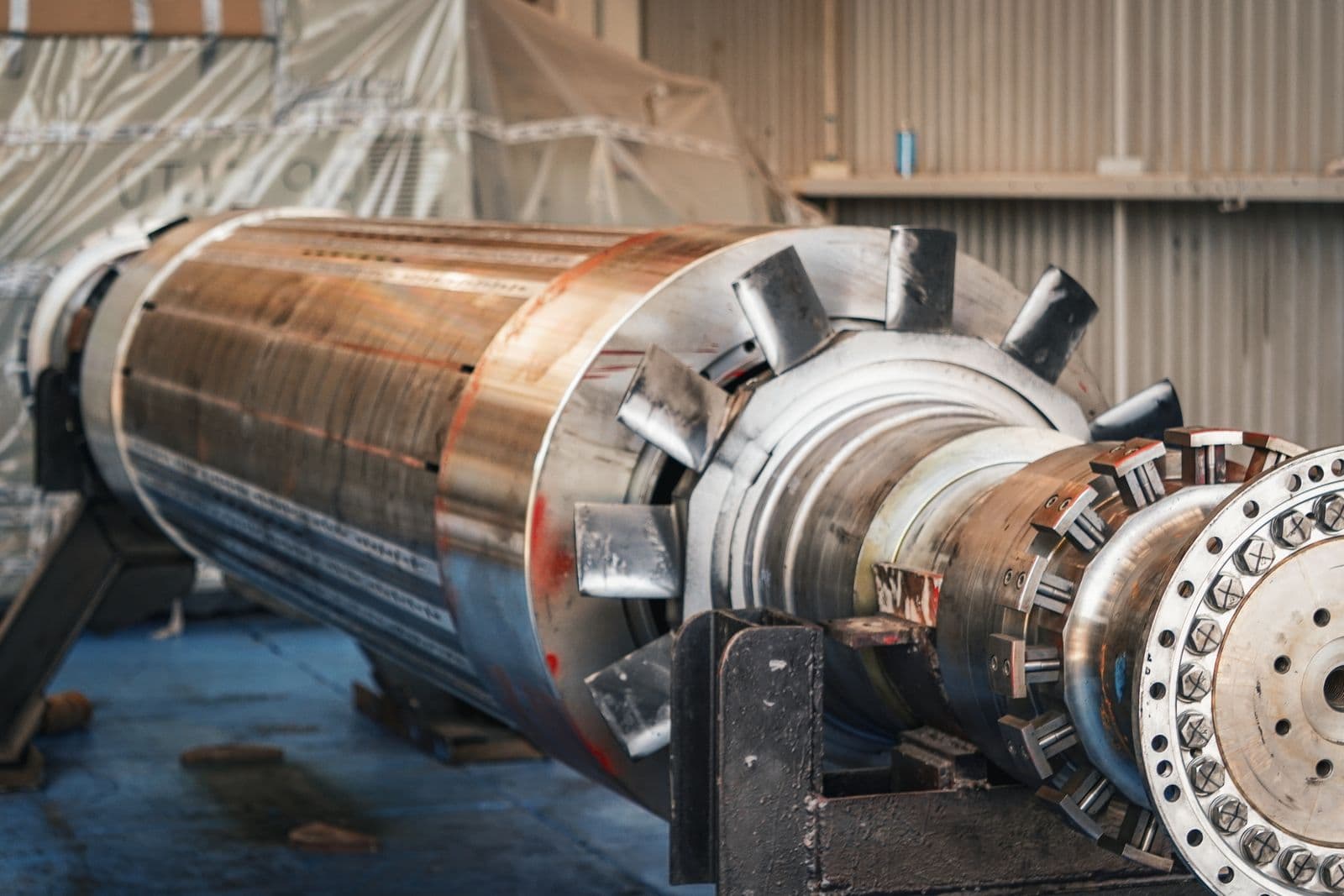
Send the assembly drawing, not just the bearing envelope. Most of the worthwhile savings on a customised thin section bearing come from features spotted in the surrounding parts, and none of those are visible from a bore, an outside diameter and a width.