
Dual-line Lubrication Systems
Two main lines are pressurised alternately, and each metering valve serves its points on one stroke then the other. The layout tolerates very long lines, stiff grease and cold ambient, which is why it dominates heavy plant. SES holds the range as an authorised SKF distributor, covering points served Several hundred per system; line length Hundreds of metres per main; pressure Commonly up to 400 bar; lubricants Greases to NLGI 2 and stiffer. Executions include electric pump units with reservoir, pneumatic pump units, adjustable dual-line metering valves, changeover valves, pressure and electric, among others. It is specified most often into sinter plant and blast furnace charging equipment and rolling mill stands and roller tables. Every part is genuine SKF through official channels, with designation, specification and options confirmed against your duty before it ships — supplied from Kolkata and our branch network, with breakdown cover that does not sit in an inbox.
Send an enquiry
Check Price & Availability.
Give us the size or the failed part — we reply on WhatsApp.
Trusted across Metals & Energy
Supplying India’s Industrial Names.
From integrated steel plants to power utilities and EPC majors — the works that cannot afford a counterfeit part specify through SES.








Layout
Two alternating main lines
Scale
Hundreds of points, hundreds of metres
Grease
Handles stiff grades, NLGI 2 and above
Changeover
Pressure or timer controlled reversal
Where it runs.
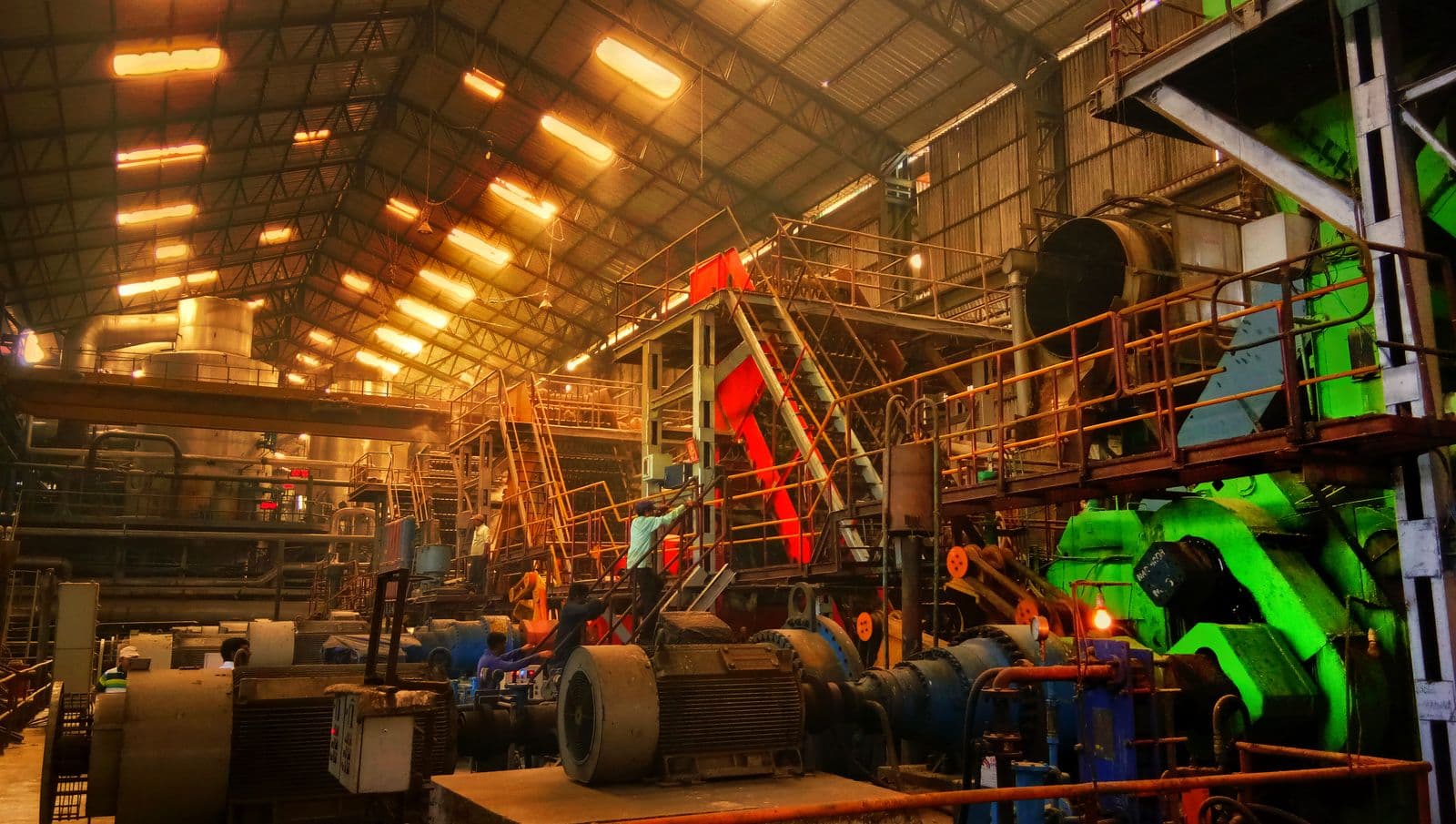
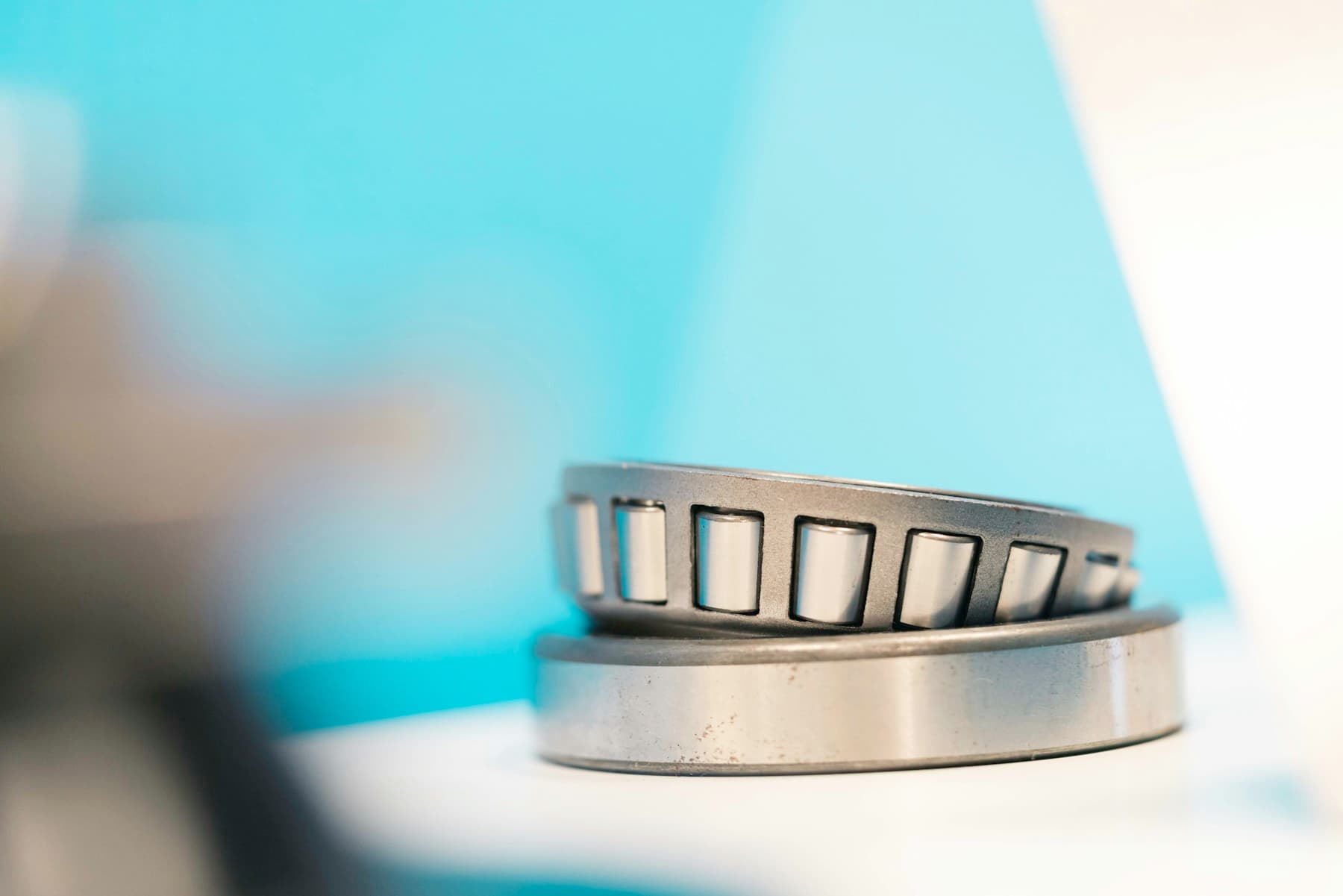
You will find Dual-line Lubrication Systems in the parts of a plant where this particular duty actually occurs. In practice that means sinter plant and blast furnace charging equipment, rolling mill stands and roller tables, cement kiln, mill and clinker cooler areas, and equally coal handling plant conveyors in power stations, stackers, reclaimers and wagon tipplers, large crushing and screening stations in mines. What links them is the duty rather than the machine name — layout: Two alternating main lines. If your installation is not on that list it matters less than you would think: the operating condition decides the specification. Send us the load, the speed, the running temperature and the environment it runs in, and we will match it to the right execution in the SKF range and confirm what is in stock.
Specify it against the duty.
Specification here follows the operating condition, not the catalogue. Lines have to run hundreds of metres along a conveyor gallery — Dual-line rather than progressive. The reversing action clears each half line every cycle, so pressure drop over distance stops being the limit. Plant standardises on NLGI 2 grease and will not stock a softer grade — Dual-line with correctly sized bore, because it is built to move stiff grease that a single-line injector system would not reset behind. Sections of the plant get isolated for maintenance — Zone valves with individual changeover indication, so an isolated section does not hold the whole system in one direction and stall the cycle. Where two of those apply at once, specify for the harsher of the two — under-specifying is what puts the part back on the bench a month later. Send us the duty and we will confirm the execution.
Ordering this from SES.
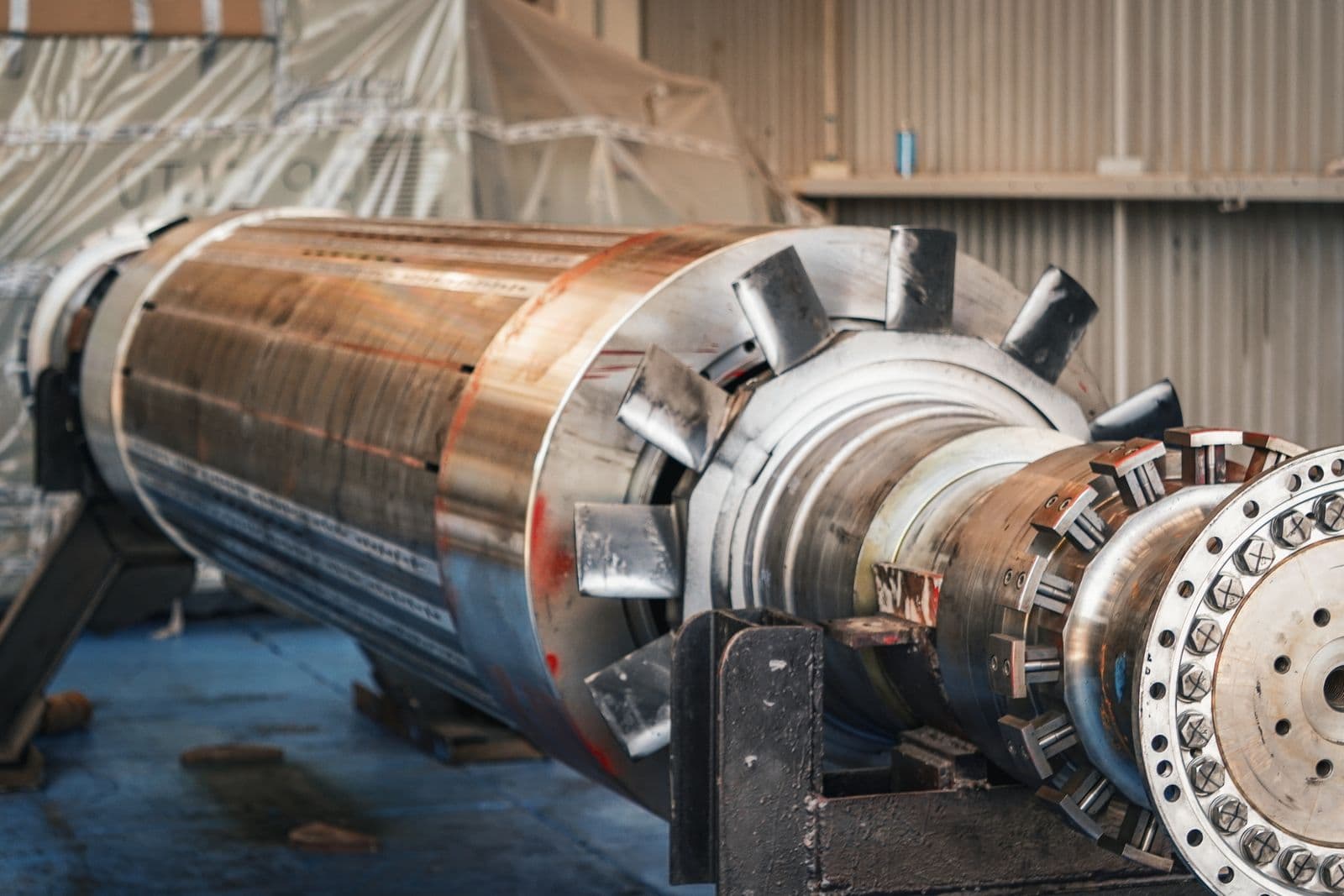
Log the changeover pressure every week and trend it. A steady climb means a blocked branch somewhere, and finding it from the trend is far cheaper than finding it from a seized pulley bearing. Send the designation off the failed part and we will confirm the SKF equivalent and stock position.