
Flanged Ball Bearing Units
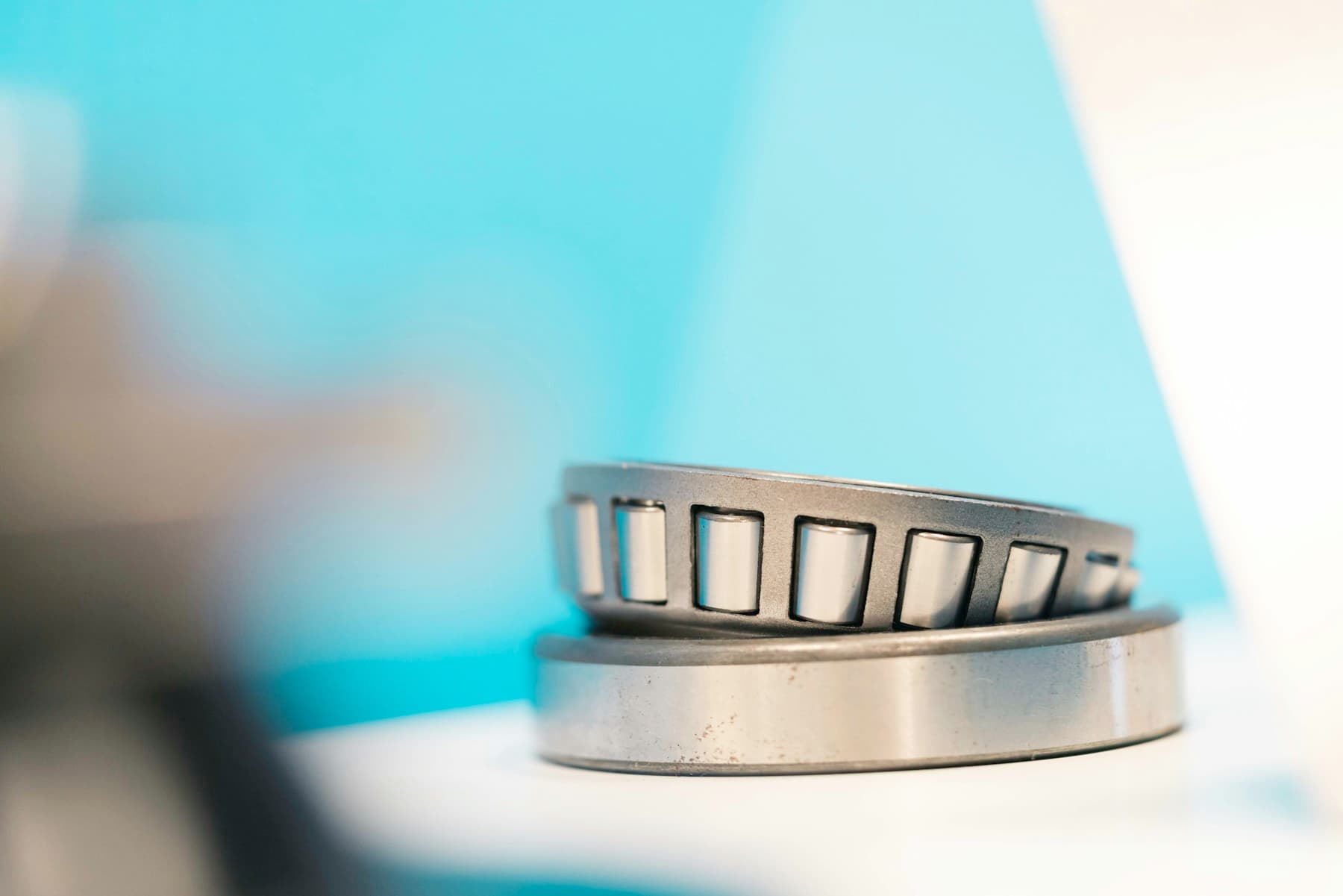
The same insert bearing carried in a housing that bolts to a vertical face, with the shaft passing through the mounting plate. Used where there is no room to bolt a foot beside the shaft. SES holds the range as an authorised SKF distributor, covering housing designations FY, FYJ, F, FL, UCF and equivalents; flange shapes Square, round, oval, triangular; shaft sizes Approximately 12 mm to 90 mm; materials Cast iron, pressed steel, composite, stainless. Executions include square flanged units, round flanged units, oval two-bolt flanged units, triangular three-bolt flanged units, among others. It is specified most often into screw conveyor end bearings on tank and trough walls and mixer and agitator shaft entries on process vessels. Every part is genuine SKF through official channels, with designation, specification and options confirmed against your duty before it ships — supplied from Kolkata and our branch network, with breakdown cover that does not sit in an inbox.
Send an enquiry
Check Price & Availability.
Give us the size or the failed part — we reply on WhatsApp.
Trusted across Metals & Energy
Supplying India’s Industrial Names.
From integrated steel plants to power utilities and EPC majors — the works that cannot afford a counterfeit part specify through SES.





















Mounting
Onto a machine wall or plate, shaft through
Flange forms
Square, round, oval, triangular
Bolt pattern
Two, three or four hole
Bearing
Insert ball with spherical outer ring
Where it runs.
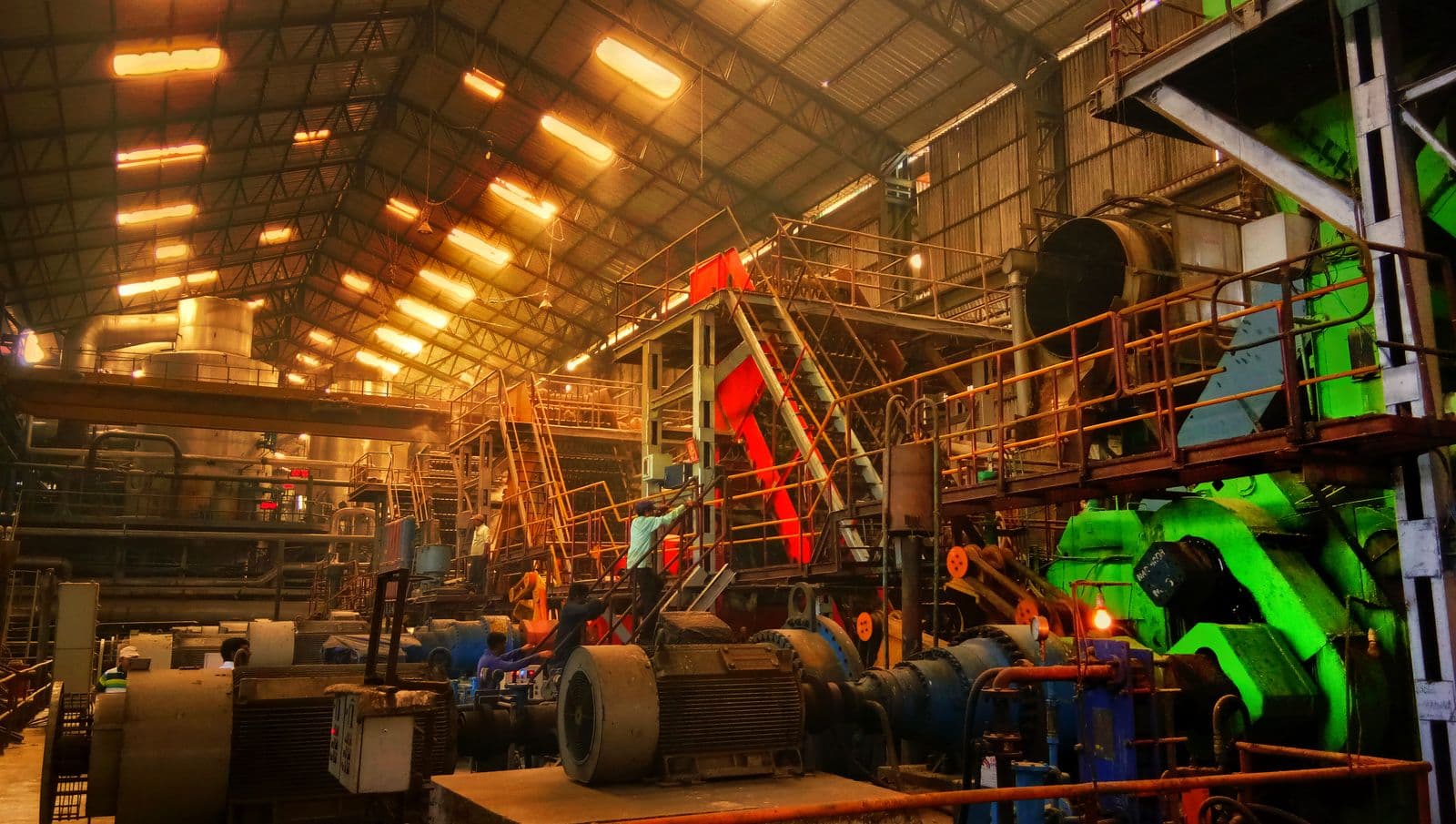
You will find Flanged Ball Bearing Units in the parts of a plant where this particular duty actually occurs. In practice that means screw conveyor end bearings on tank and trough walls, mixer and agitator shaft entries on process vessels, roller ends inside conveyor frames and side plates, and equally fan shaft supports on plenum walls, gearbox output shaft outboard supports, packing machine drive shafts through frame panels. What links them is the duty rather than the machine name — mounting: Onto a machine wall or plate, shaft through. If your installation is not on that list it matters less than you would think: the operating condition decides the specification. Send us the load, the speed, the running temperature and the environment it runs in, and we will match it to the right execution in the SKF range and confirm what is in stock.
Specify it against the duty.
Specification here follows the operating condition, not the catalogue. The plate the flange bolts to is thin sheet — Add a backing plate or use the four-bolt flange to spread the load. A two-bolt flange on thin sheet tears the holes oval and the shaft goes out of line. Space around the shaft is restricted by adjacent equipment — Use the oval two-bolt or triangular three-bolt flange. Forcing a square flange into a tight pocket usually means one bolt goes in half-length, which defeats the point of the mounting. The shaft passes through into a wet or dusty compartment — Take the closed-back or covered flange execution. An open-back housing lets material blow straight through the bearing bore into the drive side. Where two of those apply at once, specify for the harsher of the two — under-specifying is what puts the part back on the bench a month later. Send us the duty and we will confirm the execution.
Ordering this from SES.
Where the flange bolts to a mild steel plate in a wet area, use a gasket or sealant behind the housing. Water wicks between the flange face and the plate, and the rust that forms there jacks the housing off the plate and puts the shaft out of line.