
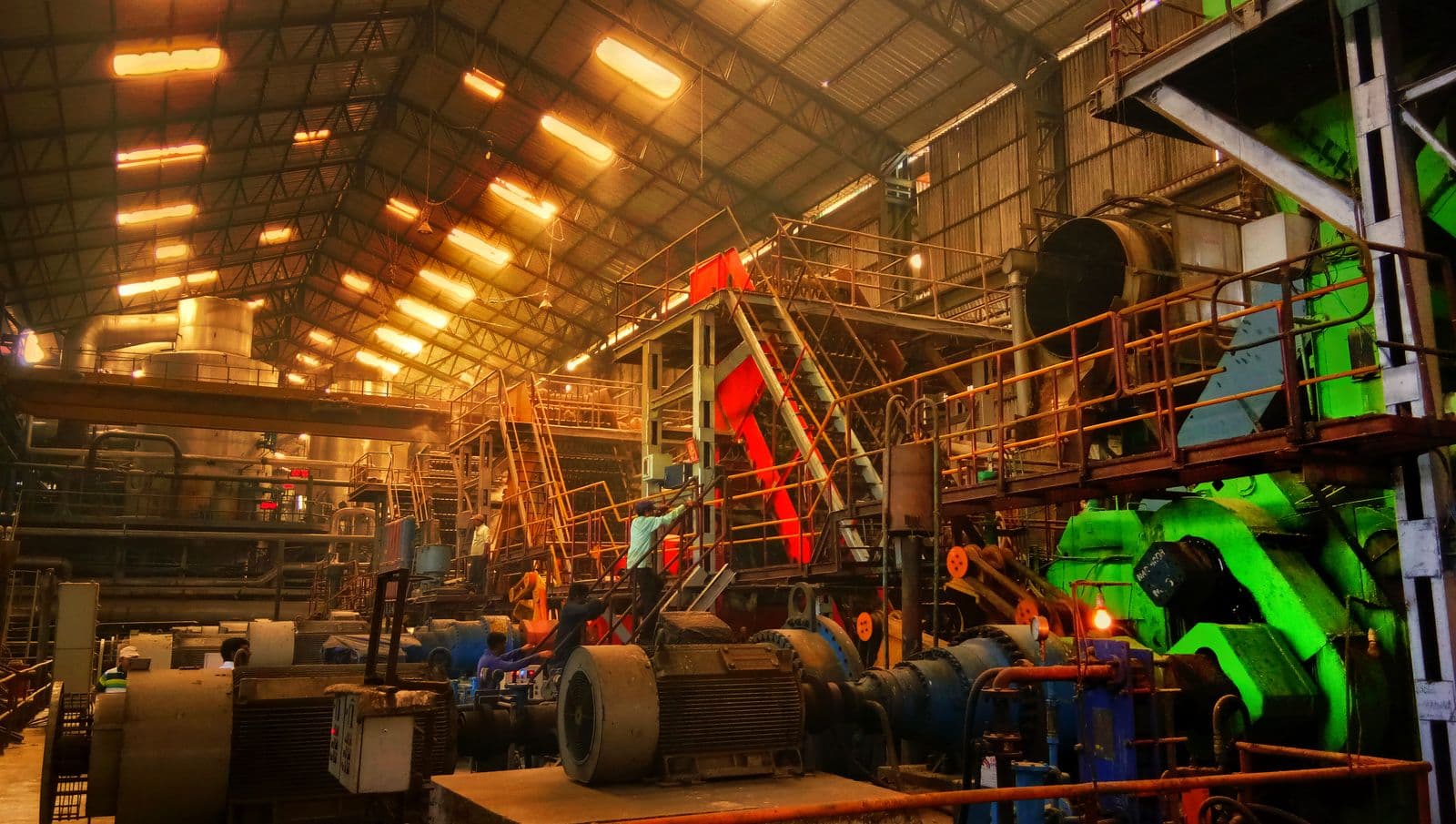
Four-row Cylindrical Roller Bearings
Four rows of rollers packed into a single bearing to take the extreme radial load of a rolling mill roll neck at low to moderate speed. The bearing takes no axial load at all, which is handled by a separate thrust bearing in the chock. SES holds the range as an authorised SKF distributor, covering bore range About 100 mm to over 1000 mm; rows Four rows of cylindrical rollers; ring construction Split or multi-part inner and outer rings; bore forms Cylindrical and tapered executions. Executions include cylindrical bore four-row bearings, tapered bore four-row bearings, sealed four-row executions, split ring executions for roll neck fitting. It is specified most often into hot and cold strip mill work roll necks and back-up roll chocks in plate and strip mills. Every part is genuine SKF through official channels, with designation, specification and options confirmed against your duty before it ships — supplied from Kolkata and our branch network, with breakdown cover that does not sit in an inbox.
Send an enquiry
Check Price & Availability.
Give us the size or the failed part — we reply on WhatsApp.
Trusted across Metals & Energy
Supplying India’s Industrial Names.
From integrated steel plants to power utilities and EPC majors — the works that cannot afford a counterfeit part specify through SES.



















Load
Extreme radial, no axial capacity
Speed
Low to moderate, mill roll duty
Bore
Cylindrical or tapered by mill design
Environment
Water, scale and mill dirt
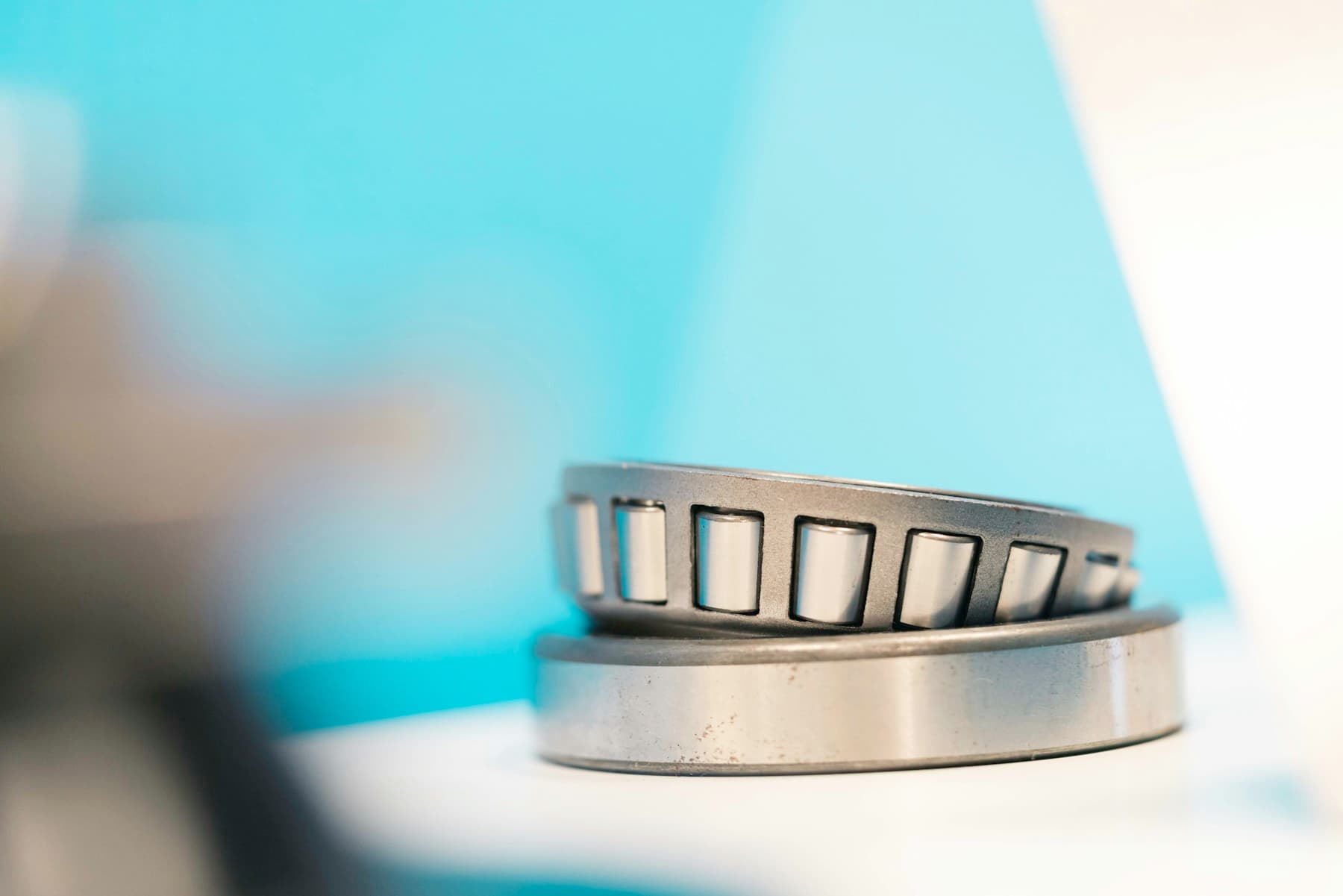
Where it runs.
You will find Four-row Cylindrical Roller Bearings in the parts of a plant where this particular duty actually occurs. In practice that means hot and cold strip mill work roll necks, back-up roll chocks in plate and strip mills, section and bar mill roll assemblies, and equally wire rod mill stands, rolling mill coilers and pinch roll units, heavy calender stacks in paper mills. What links them is the duty rather than the machine name — load: Extreme radial, no axial capacity. If your installation is not on that list it matters less than you would think: the operating condition decides the specification. Send us the load, the speed, the running temperature and the environment it runs in, and we will match it to the right execution in the SKF range and confirm what is in stock.
Specify it against the duty.
Specification here follows the operating condition, not the catalogue. The roll neck sees water spray and rolling scale continuously — A sealed chock arrangement and a stripping and washing routine at a fixed interval, since water in the grease is the dominant failure cause here. Roll changes are frequent and bearings are handled often — A cylindrical bore execution mounted with a controlled fit, so repeated mounting does not gradually change the internal clearance. The mill is being uprated for heavier reductions — Recalculated bearing life on the new rolling schedule rather than the same designation. The four-row bearing is normally the limiting component in the chock. Where two of those apply at once, specify for the harsher of the two — under-specifying is what puts the part back on the bench a month later. Send us the duty and we will confirm the execution.
Ordering this from SES.
Roll neck bearings come back from the stand full of water and scale. Strip, wash and inspect them on a fixed cycle rather than waiting for a failure, because the cost of an unplanned chock change dwarfs the cost of the bearing.