
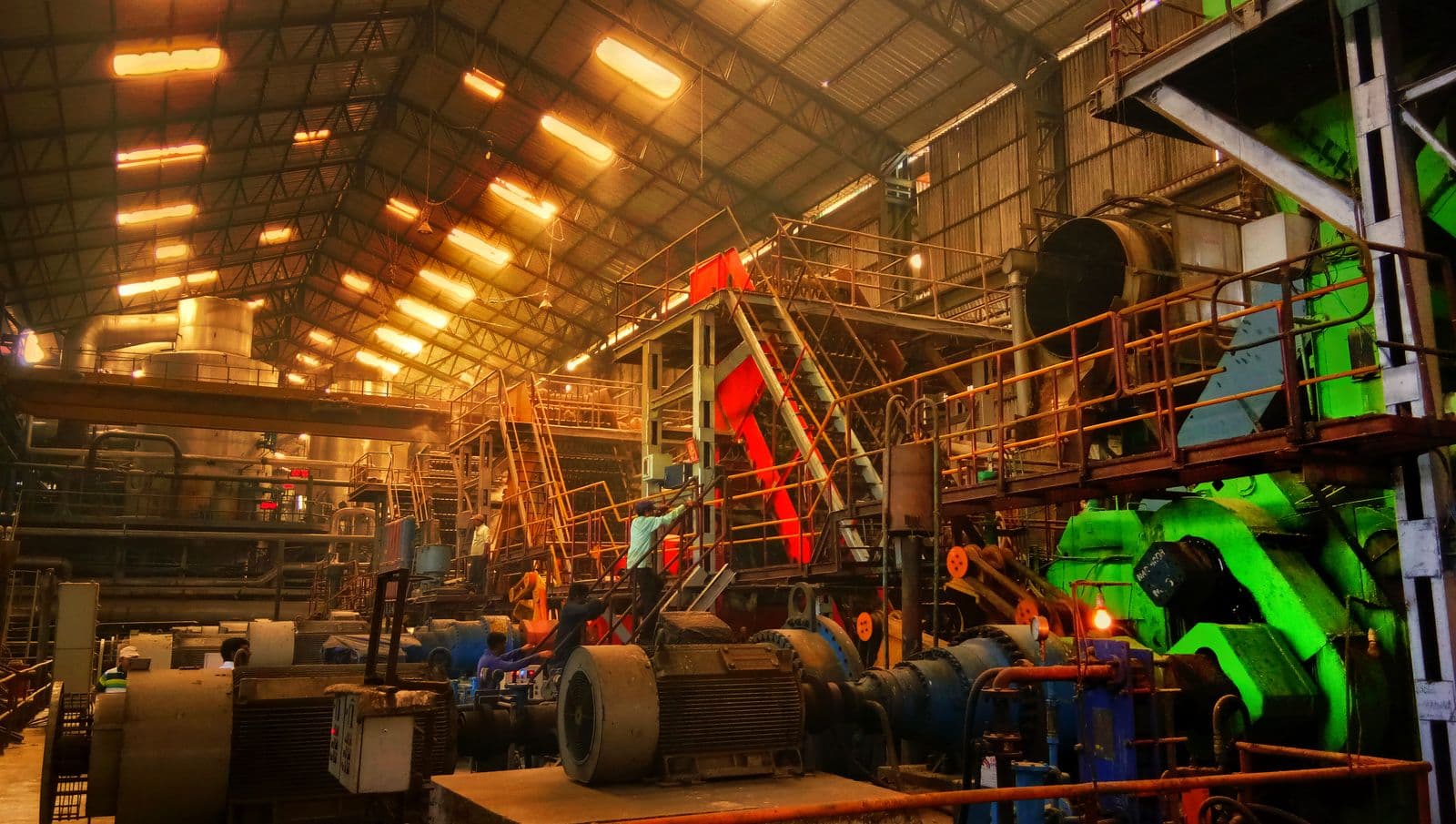
Hub Caps
The outboard closure on an oil-lubricated wheel end. It holds the oil charge, carries the sight window that lets a driver check level at walk-round, and seals against the hub face with a gasket or O-ring. SES holds the range as an authorised SKF distributor, covering bodies Steel, aluminium and polymer; windows Fixed or replaceable clear insert; sealing Flat gasket or O-ring; fixing Bolted to the hub face, common bolt patterns. Executions include steel hub caps, aluminium hub caps, polymer hub caps, vented executions, among others. It is specified most often into trailer and semi-trailer oil-bath wheel ends and tipper and tanker axles on long haul routes. Every part is genuine SKF through official channels, with designation, specification and options confirmed against your duty before it ships — supplied from Kolkata and our branch network, with breakdown cover that does not sit in an inbox.
Send an enquiry
Check Price & Availability.
Give us the size or the failed part — we reply on WhatsApp.
Trusted across Metals & Energy
Supplying India’s Industrial Names.
From integrated steel plants to power utilities and EPC majors — the works that cannot afford a counterfeit part specify through SES.




















Function
Closes the outboard side of the hub
Feature
Sight window for oil level
Sealing
Gasket or O-ring to the hub face
Materials
Steel, aluminium or polymer bodies
Where it runs.
You will find Hub Caps in the parts of a plant where this particular duty actually occurs. In practice that means trailer and semi-trailer oil-bath wheel ends, tipper and tanker axles on long haul routes, bulk carrier fleets running scheduled walk-round checks, and equally bus and coach axles with oil-lubricated hubs, site trailers and low-bed transporters, fleet workshops converting hubs from grease to oil. What links them is the duty rather than the machine name — function: Closes the outboard side of the hub. If your installation is not on that list it matters less than you would think: the operating condition decides the specification. Send us the load, the speed, the running temperature and the environment it runs in, and we will match it to the right execution in the SKF range and confirm what is in stock.
Specify it against the duty.
Specification here follows the operating condition, not the catalogue. Drivers cannot read the level through a clouded window — A cap with a replaceable clear window rather than a moulded one. A cloudy window means nobody checks, and nobody checking is how hubs run dry. Hub face is scored where the old cap seated — A cap with a moulded gasket that can take some surface irregularity, and dress the hub face flat before fitting. Wheel ends are struck by kerbs and site debris — A steel body cap. Polymer caps crack at the window rim on impact and the whole oil charge is gone before the next stop. Where two of those apply at once, specify for the harsher of the two — under-specifying is what puts the part back on the bench a month later. Send us the duty and we will confirm the execution.
Ordering this from SES.
Cross-tighten cap bolts by hand to the stated torque, not with a rattle gun. Over-torqued caps distort at the flange and the resulting weep is always blamed on the gasket. Send the designation off the failed part and we will confirm the SKF equivalent and stock position.