
Lock Nuts Requiring a Keyway
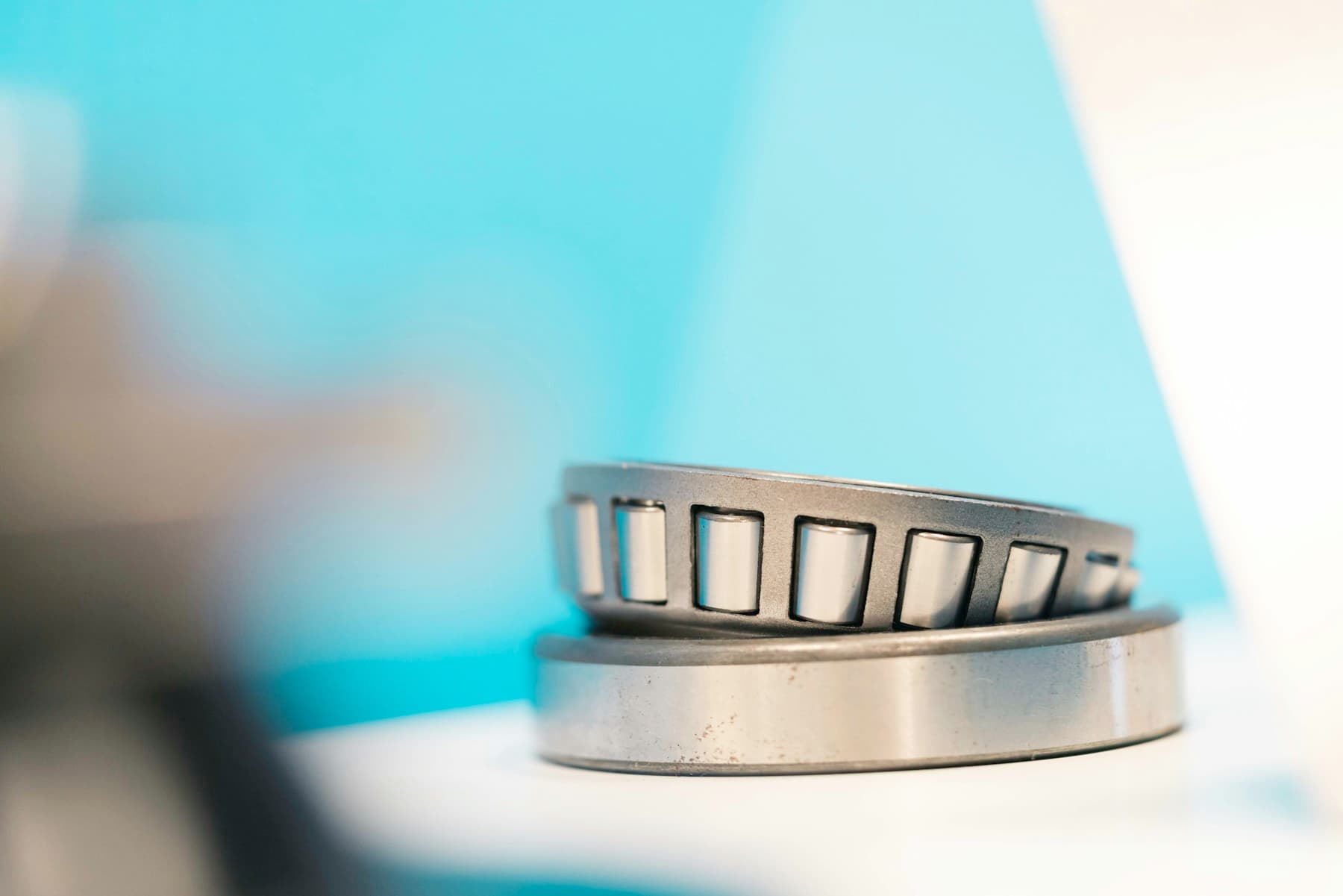
The conventional arrangement: a slotted nut plus a lock washer whose inner tang sits in a shaft keyway and whose outer tab is bent into a nut slot. Simple, cheap, and still the standard fitting across most industrial plant. SES holds the range as an authorised SKF distributor, covering thread range About M10 to M900 in common series; nut series KM, KML and HM style slotted nuts; washer series MB and MBL lock washers with an inner tang; shaft requirement Keyway machined in the threaded seat. Executions include KM series nuts with MB washers, KML series nuts for large diameters, HM series heavy nuts, stainless steel nuts and washers, among others. It is specified most often into adapter and withdrawal sleeve assemblies on conveyor shafts and fan and blower shaft bearing retention. Every part is genuine SKF through official channels, with designation, specification and options confirmed against your duty before it ships — supplied from Kolkata and our branch network, with breakdown cover that does not sit in an inbox.
Send an enquiry
Check Price & Availability.
Give us the size or the failed part — we reply on WhatsApp.
Trusted across Metals & Energy
Supplying India’s Industrial Names.
From integrated steel plants to power utilities and EPC majors — the works that cannot afford a counterfeit part specify through SES.




















Locking
Tab washer into shaft keyway
Shaft prep
Keyway required in the threaded seat
Tooling
Hook or impact spanner
Reuse
Washer is effectively single use
Where it runs.
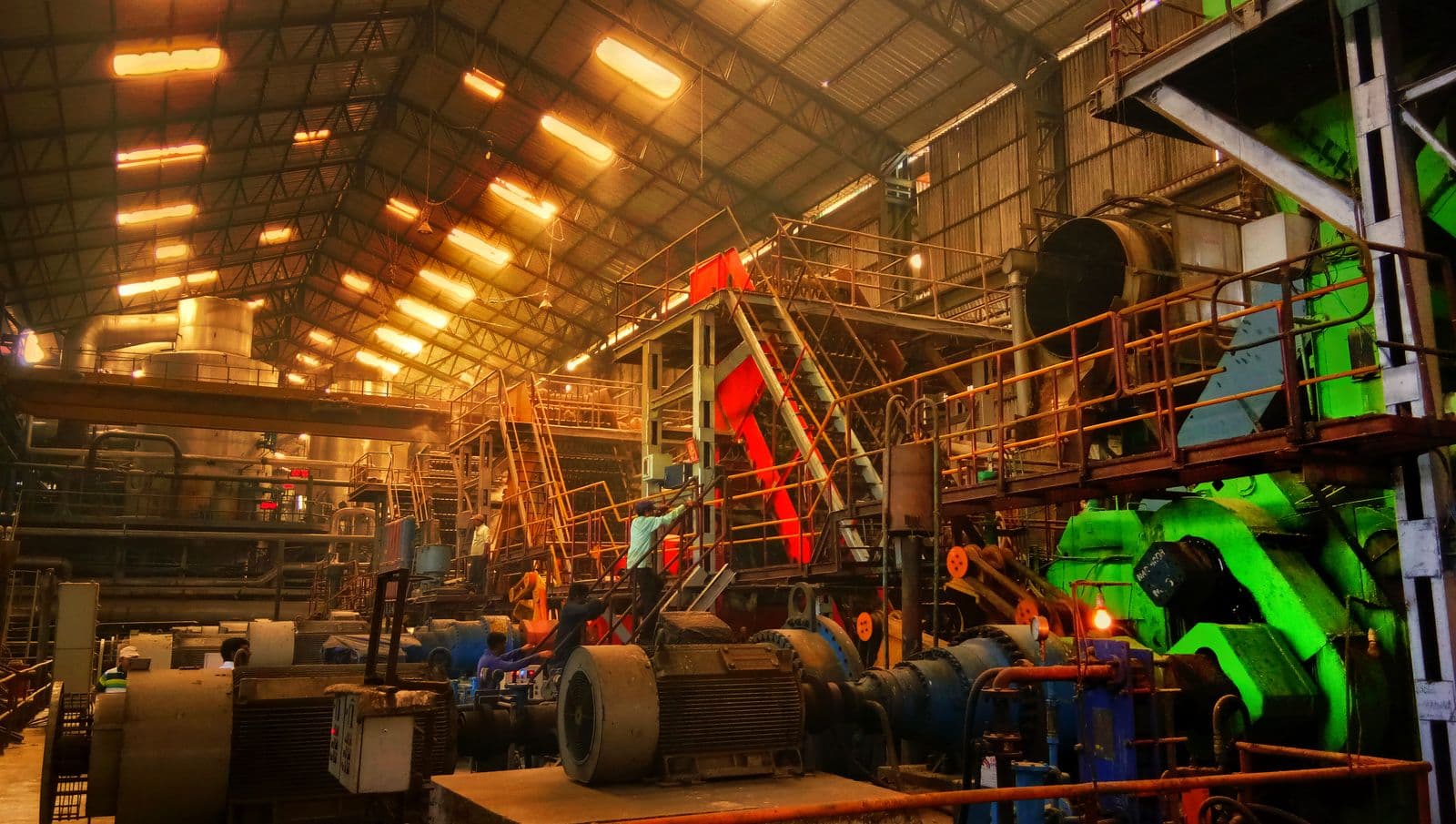
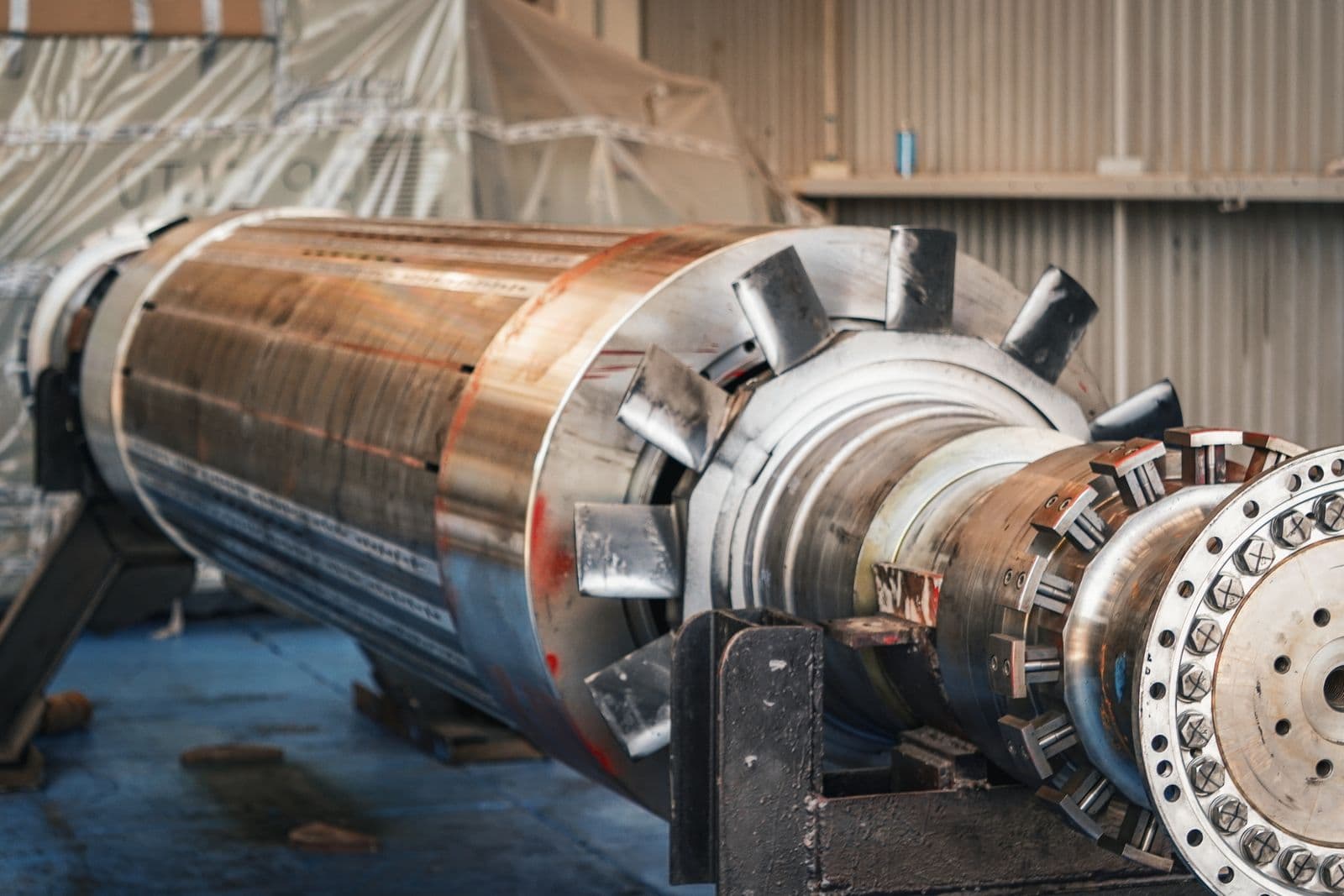
You will find Lock Nuts Requiring a Keyway in the parts of a plant where this particular duty actually occurs. In practice that means adapter and withdrawal sleeve assemblies on conveyor shafts, fan and blower shaft bearing retention, gearbox shaft bearing stacks, and equally bucket elevator and screw conveyor shafts, pump shafts with threaded bearing seats, vibrating screen and feeder shaft assemblies. What links them is the duty rather than the machine name — locking: Tab washer into shaft keyway. If your installation is not on that list it matters less than you would think: the operating condition decides the specification. Send us the load, the speed, the running temperature and the environment it runs in, and we will match it to the right execution in the SKF range and confirm what is in stock.
Specify it against the duty.
Specification here follows the operating condition, not the catalogue. A standard bearing on a standard shaft, with a keyway already in place — The KM nut with an MB washer as the default. There is no reason to complicate a fitting that works, and the parts are on every stores shelf. The environment is wet, acidic, or subject to wash-down — A stainless steel nut and washer. A corroded tab washer breaks when you try to lift it, and pieces of it end up in the bearing housing. The nut sits on a sleeve rather than directly on the shaft — The matching washer series for that sleeve, not a shaft washer of the same nominal size. The tang length and inner diameter differ, and a forced fit will not seat. Where two of those apply at once, specify for the harsher of the two — under-specifying is what puts the part back on the bench a month later. Send us the duty and we will confirm the execution.
Ordering this from SES.
Fit a new washer every time, and bend the tab with a proper drift rather than a screwdriver blade. A tab that has been levered up and flattened back twice is already fatigued at the root, and it will snap into the housing while the machine is running.