
Lock Nuts with Integral Locking
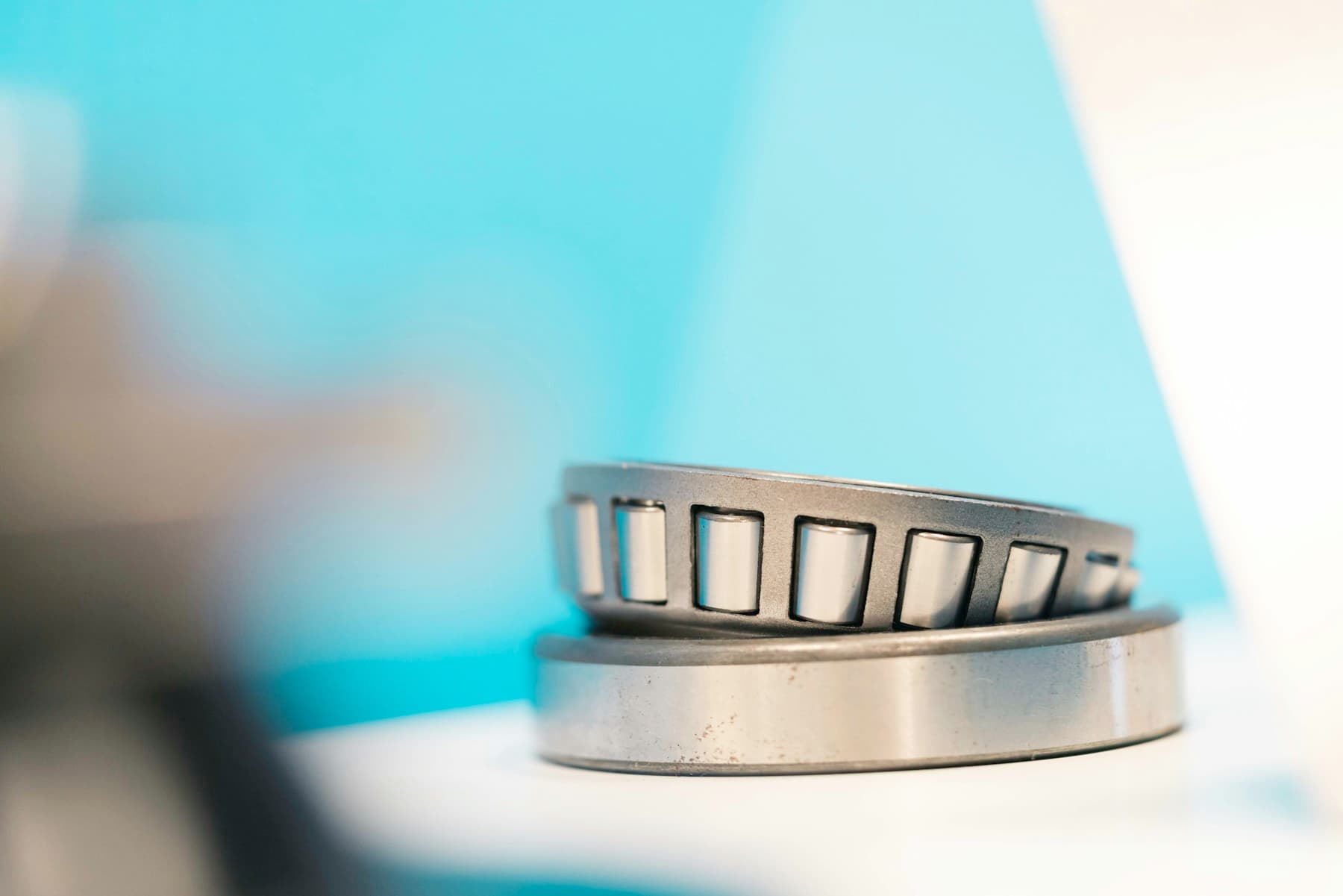
Nuts that carry their own locking element — a plastic or brass insert, a set of locking pins, or a clamping segment — so no keyway and no tab washer are needed. The shaft thread is left uncut and the nut can be reused many times. SES holds the range as an authorised SKF distributor, covering thread range About M10 to M200 in common series; locking elements Polymer inserts, brass pins, or clamping segments; shaft requirement Plain thread, no keyway; drive Hook spanner slots or socket head screws depending on type. Executions include nuts with a polymer locking insert, nuts with brass locking pins, nuts with a radial clamping segment, nuts with axial clamping screws, among others. It is specified most often into hollow and highly stressed shafts where a keyway is not acceptable and pump and compressor shafts with frequent bearing changes. Every part is genuine SKF through official channels, with designation, specification and options confirmed against your duty before it ships — supplied from Kolkata and our branch network, with breakdown cover that does not sit in an inbox.
Send an enquiry
Check Price & Availability.
Give us the size or the failed part — we reply on WhatsApp.
Trusted across Metals & Energy
Supplying India’s Industrial Names.
From integrated steel plants to power utilities and EPC majors — the works that cannot afford a counterfeit part specify through SES.





















Locking
Built into the nut, no washer
Shaft prep
No keyway required
Reuse
Multiple mount and dismount cycles
Clamping
Even, without a tab pulling to one side
Where it runs.
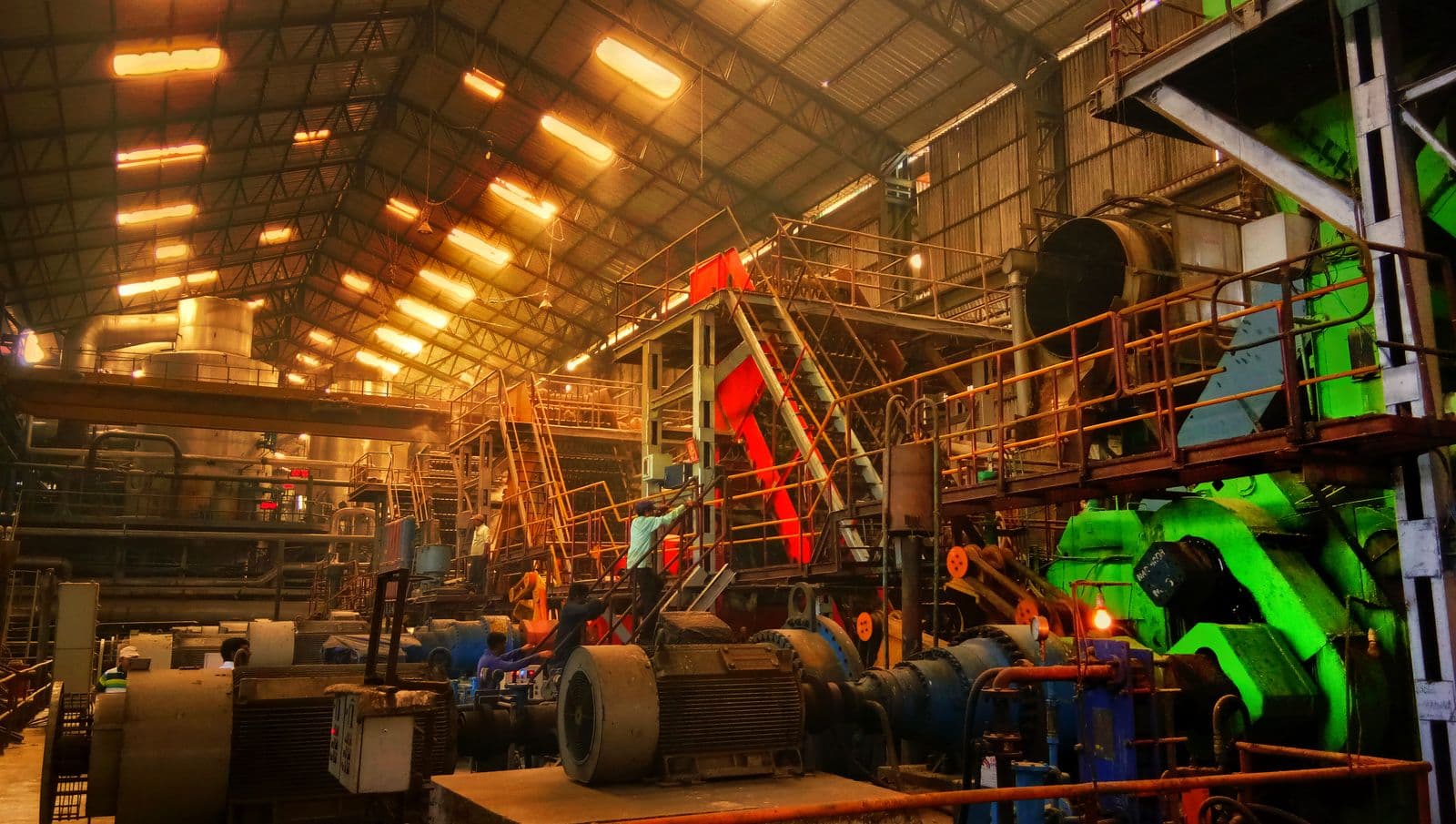
You will find Lock Nuts with Integral Locking in the parts of a plant where this particular duty actually occurs. In practice that means hollow and highly stressed shafts where a keyway is not acceptable, pump and compressor shafts with frequent bearing changes, gearbox shafts on planned replacement schedules, and equally fan shafts on variable speed drives with wide load swings, conveyor drive shafts in wet and washed-down areas, test rigs and machines rebuilt repeatedly. What links them is the duty rather than the machine name — locking: Built into the nut, no washer. If your installation is not on that list it matters less than you would think: the operating condition decides the specification. Send us the load, the speed, the running temperature and the environment it runs in, and we will match it to the right execution in the SKF range and confirm what is in stock.
Specify it against the duty.
Specification here follows the operating condition, not the catalogue. The shaft is hollow, or its section is already marginal for the torque it passes — An integrally locking nut so no keyway is cut. Removing metal at the thread root on a marginal shaft is how a clean shaft failure starts. The bearing is changed several times a year on a planned basis — A nut with locking pins or a clamping element, which can be released and reset. The cost is repaid the second time the crew does not have to hunt for a washer. Operating temperature is high enough to soften a polymer insert — A brass pin or steel clamping design instead. Polymer inserts lose their grip once they take a heat set, and the nut then relies on friction alone. Where two of those apply at once, specify for the harsher of the two — under-specifying is what puts the part back on the bench a month later. Send us the duty and we will confirm the execution.
Ordering this from SES.
Treat the locking insert or pin as a consumable and keep spares on the shelf with the nut. Crews reuse a flattened insert because there is nothing else in the box, and a nut relying on a spent insert holds no better than a plain one.