
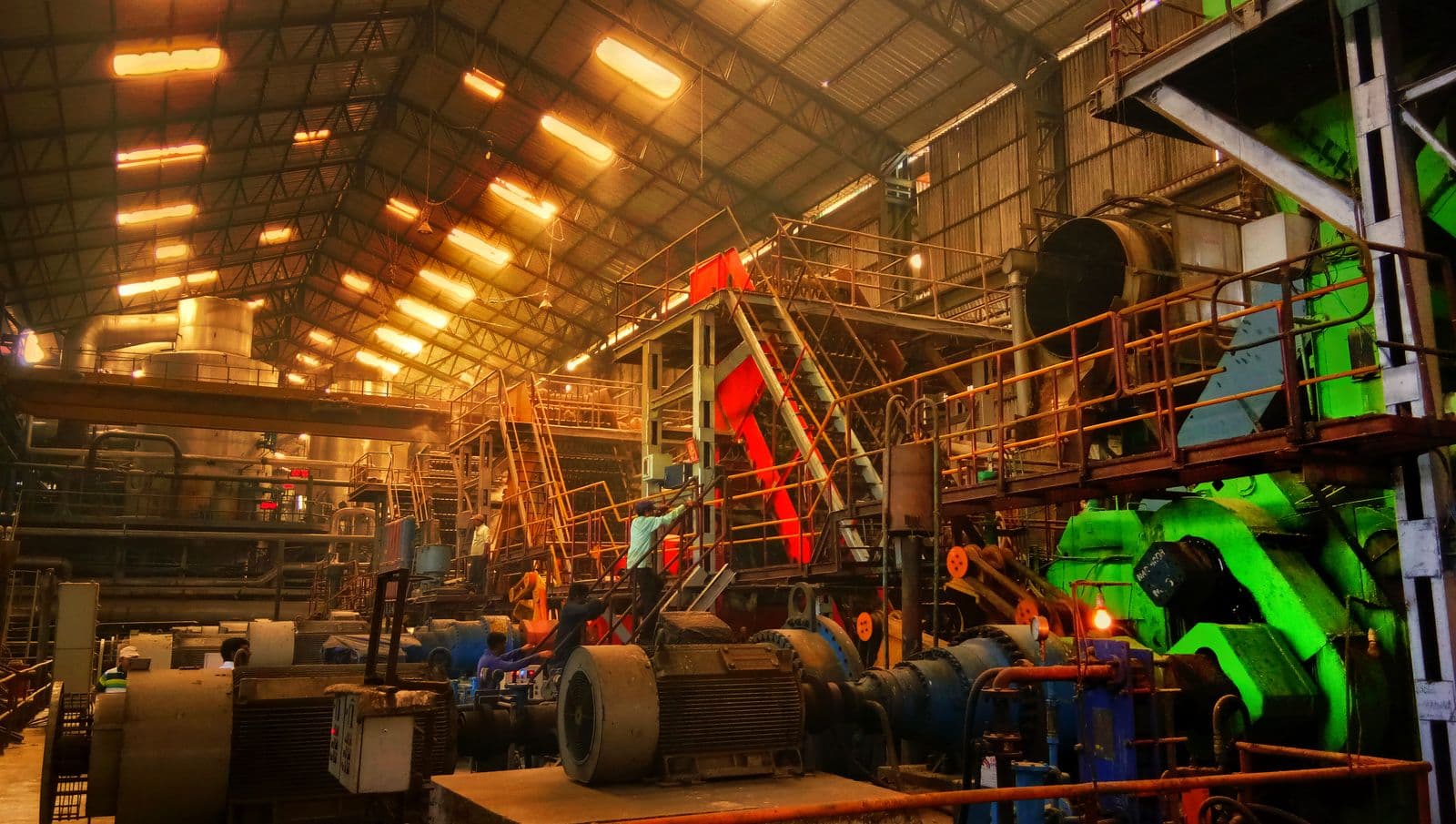
Lubrication
The complete lubrication side of the range: greases and oils, the tools that apply them by hand, single point lubricators, and centralised systems that feed a whole machine or plant. Start from how many points you have and how often you can reach them. SES holds the range as an authorised SKF distributor, covering lubricant types Greases NLGI 000 to 3, circulating oils; application Manual, single point, centralised; system types Single-line, dual-line, multi-line, progressive; monitoring Cycle switches, pin indicators, pressure switches. Executions include lubricants, manual lubrication tools, lubricators, single-line lubrication systems, among others. It is specified most often into sinter, blast furnace and rolling mill areas in steel plants and cement mills, kilns and clinker conveying. Every part is genuine SKF through official channels, with designation, specification and options confirmed against your duty before it ships — supplied from Kolkata and our branch network, with breakdown cover that does not sit in an inbox.
Send an enquiry
Check Price & Availability.
Give us the size or the failed part — we reply on WhatsApp.
Trusted across Metals & Energy
Supplying India’s Industrial Names.
From integrated steel plants to power utilities and EPC majors — the works that cannot afford a counterfeit part specify through SES.















Covers
Lubricants, tools, lubricators, systems
Decision driver
Point count and access
Common failure
Wrong quantity, wrong interval
Typical gain
Fewer bearing failures per year

Where it runs.
You will find Lubrication in the parts of a plant where this particular duty actually occurs. In practice that means sinter, blast furnace and rolling mill areas in steel plants, cement mills, kilns and clinker conveying, coal handling plants and ash handling in power stations, and equally paper machine wet and dry ends, crushing, screening and material handling in mines, tea, rice and agro processing lines. What links them is the duty rather than the machine name — covers: Lubricants, tools, lubricators, systems. If your installation is not on that list it matters less than you would think: the operating condition decides the specification. Send us the load, the speed, the running temperature and the environment it runs in, and we will match it to the right execution in the SKF range and confirm what is in stock.
Specify it against the duty.
Specification here follows the operating condition, not the catalogue. A handful of points that a fitter can reach safely each week — Manual tools with a metered grease gun, so each point gets a known quantity. Free-hand greasing is what churns grease and cooks bearings. Points are on a running machine or at height — Single point lubricators or a centralised system. Points that cannot be reached safely are not greased at all, whatever the schedule sheet says. Dozens to hundreds of points across one large machine — A centralised system, chosen by line length and grease grade. Below about fifty points a progressive system usually suits; above that, look at dual-line. Where two of those apply at once, specify for the harsher of the two — under-specifying is what puts the part back on the bench a month later. Send us the duty and we will confirm the execution.
Ordering this from SES.
Before you specify anything, count the points and mark them on a drawing. Nine out of ten lubrication projects that disappoint were sized from a machine list rather than from an actual point count. Send the designation off the failed part and we will confirm the SKF equivalent and stock position.