
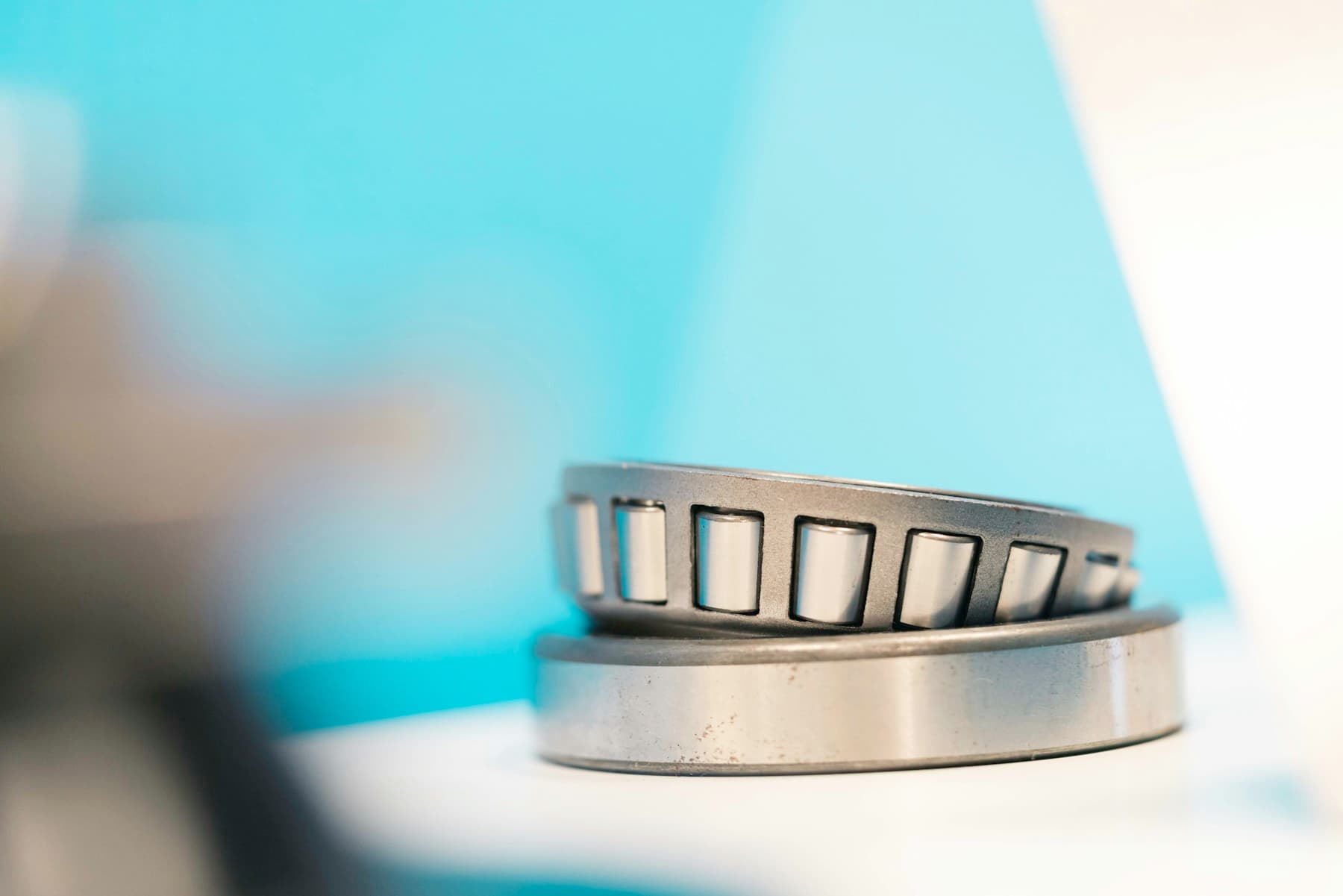
Mechanical Tools for Mounting and Dismounting
Pullers, fitting tool kits, hook spanners and sleeves for bearings small enough to be handled without hydraulics. Their purpose is to route the mounting or removal force through the correct ring, and never through the rolling elements. SES holds the range as an authorised SKF distributor, covering puller types Two-arm, three-arm, self-centring and internal; fitting tools Impact ring with graded sleeves for common bore sizes; spanners Hook, pin and impact spanners for lock nuts; capacity Small pullers up to heavy jaw sets, force rated. Executions include two and three-arm pullers, self-centring pullers, internal and blind-hole pullers, bearing fitting tool kits with sleeves, among others. It is specified most often into process pump and motor bearing changes in the workshop and gearbox input and output shaft bearing renewal. Every part is genuine SKF through official channels, with designation, specification and options confirmed against your duty before it ships — supplied from Kolkata and our branch network, with breakdown cover that does not sit in an inbox.
Send an enquiry
Check Price & Availability.
Give us the size or the failed part — we reply on WhatsApp.
Trusted across Metals & Energy
Supplying India’s Industrial Names.
From integrated steel plants to power utilities and EPC majors — the works that cannot afford a counterfeit part specify through SES.



















Covers
Pullers, fitting kits, spanners, drifts and sleeves
Force path
Through the tight ring only
Size range
Small and medium bearings
Rule
Never load the rollers during fitting
Where it runs.
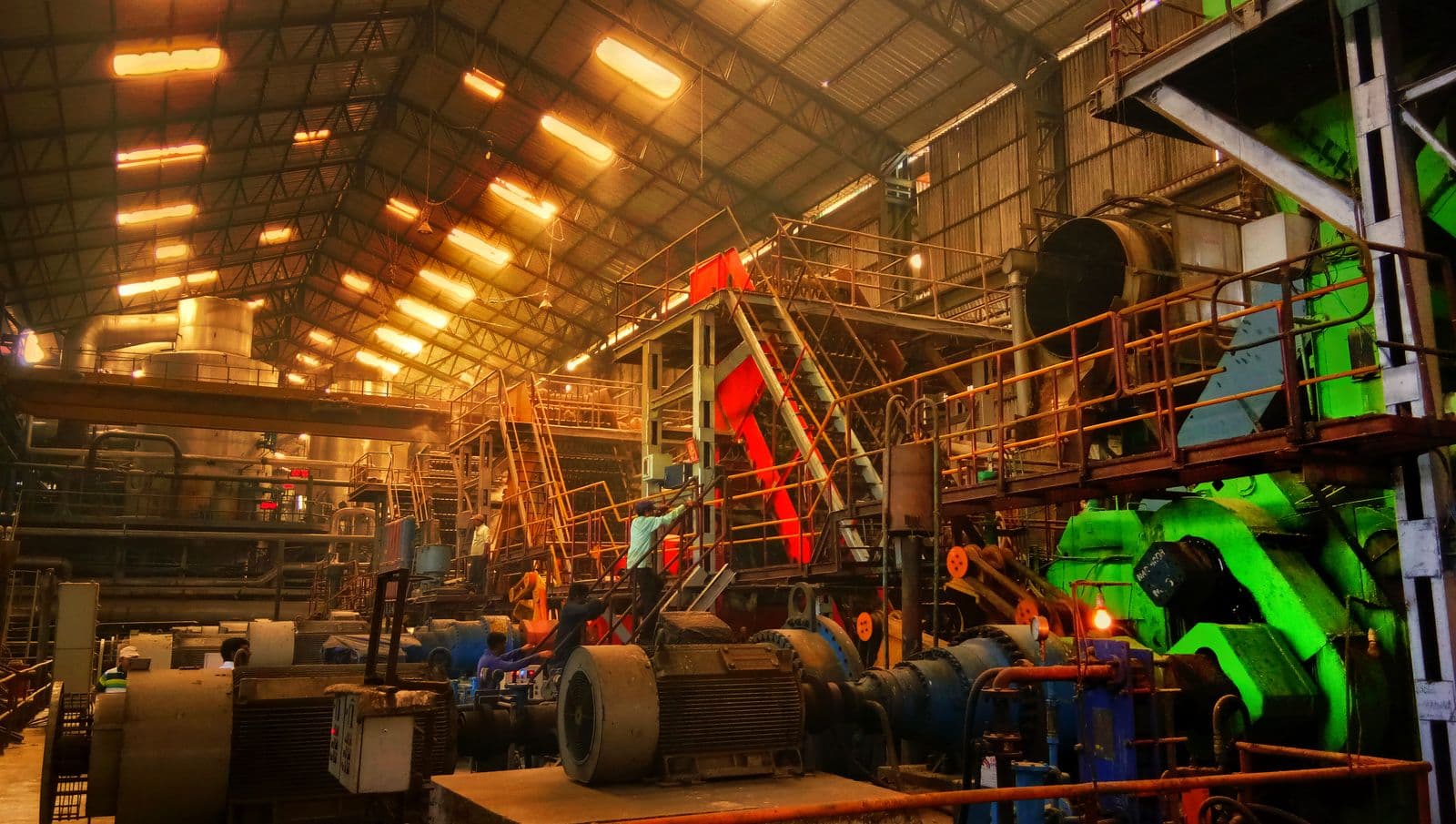
You will find Mechanical Tools for Mounting and Dismounting in the parts of a plant where this particular duty actually occurs. In practice that means process pump and motor bearing changes in the workshop, gearbox input and output shaft bearing renewal, conveyor idler and small pulley bearing replacement, and equally fan and blower bearing changes on site, removal of seized pulleys, sprockets and couplings. What links them is the duty rather than the machine name — covers: Pullers, fitting kits, spanners, drifts and sleeves. If your installation is not on that list it matters less than you would think: the operating condition decides the specification. Send us the load, the speed, the running temperature and the environment it runs in, and we will match it to the right execution in the SKF range and confirm what is in stock.
Specify it against the duty.
Specification here follows the operating condition, not the catalogue. Bearing being fitted onto a shaft with an interference on the inner ring — An impact ring and sleeve bearing on the inner ring face. Any force that crosses from inner to outer through the rollers leaves brinell marks at ball spacing and the bearing is finished before it turns. Bearing recessed in a blind housing bore with no back access — An internal or blind-hole puller with a slide hammer. Prying at the outer ring edge chips the shoulder and leaves the new bearing sitting on a burr. Puller jaws slipping off a heavily seized component — A self-centring puller with a strongback or a jaw-locking arrangement. Jaws that jump under load are the most common cause of injury on a dismounting job. Where two of those apply at once, specify for the harsher of the two — under-specifying is what puts the part back on the bench a month later. Send us the duty and we will confirm the execution.
Ordering this from SES.
Clean and inspect the shaft seat before the new bearing goes anywhere near it. A raised burr from the last removal holds the inner ring off the seat on one side and preloads it, and the bearing will run hot for reasons that look like a lubrication fault.