
Metal Face Seals
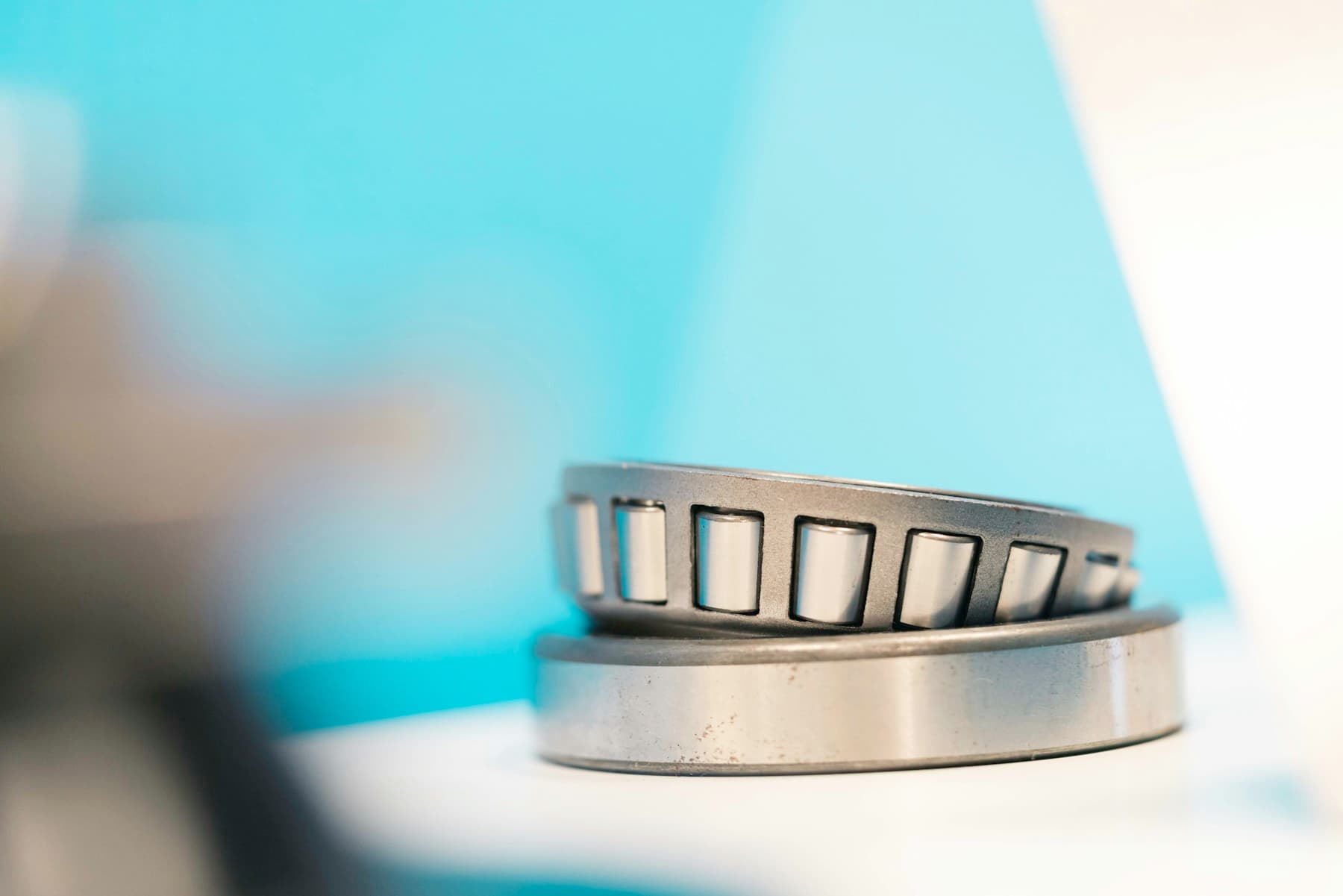
Two hardened metal rings running face to face, each pushed by its own elastomer toric ring. Nothing rubs on the shaft, so the arrangement survives abrasive slurry that would destroy any lip seal. SES holds the range as an authorised SKF distributor, covering ring material Hardened cast iron or alloy steel, lapped faces; energiser Nitrile or silicone toric rings; sizes Wide range, from small rollers to mill trunnion diameters; speed Low to moderate sliding speed at the faces. Executions include standard duo cone type, wide-section heavy duty type, corrosion-resistant ring material, silicone toric execution for low temperature. It is specified most often into track rollers, idlers and carrier rollers on crawler machines and final drives and travel gearboxes on excavators. Every part is genuine SKF through official channels, with designation, specification and options confirmed against your duty before it ships — supplied from Kolkata and our branch network, with breakdown cover that does not sit in an inbox.
Send an enquiry
Check Price & Availability.
Give us the size or the failed part — we reply on WhatsApp.
Trusted across Metals & Energy
Supplying India’s Industrial Names.
From integrated steel plants to power utilities and EPC majors — the works that cannot afford a counterfeit part specify through SES.




















Sealing
Metal face against metal face, lapped
Loading
Elastomer toric rings provide face load
Environment
Heavy abrasive, submerged, muddy
Life
Long, provided face load is set correctly
Where it runs.
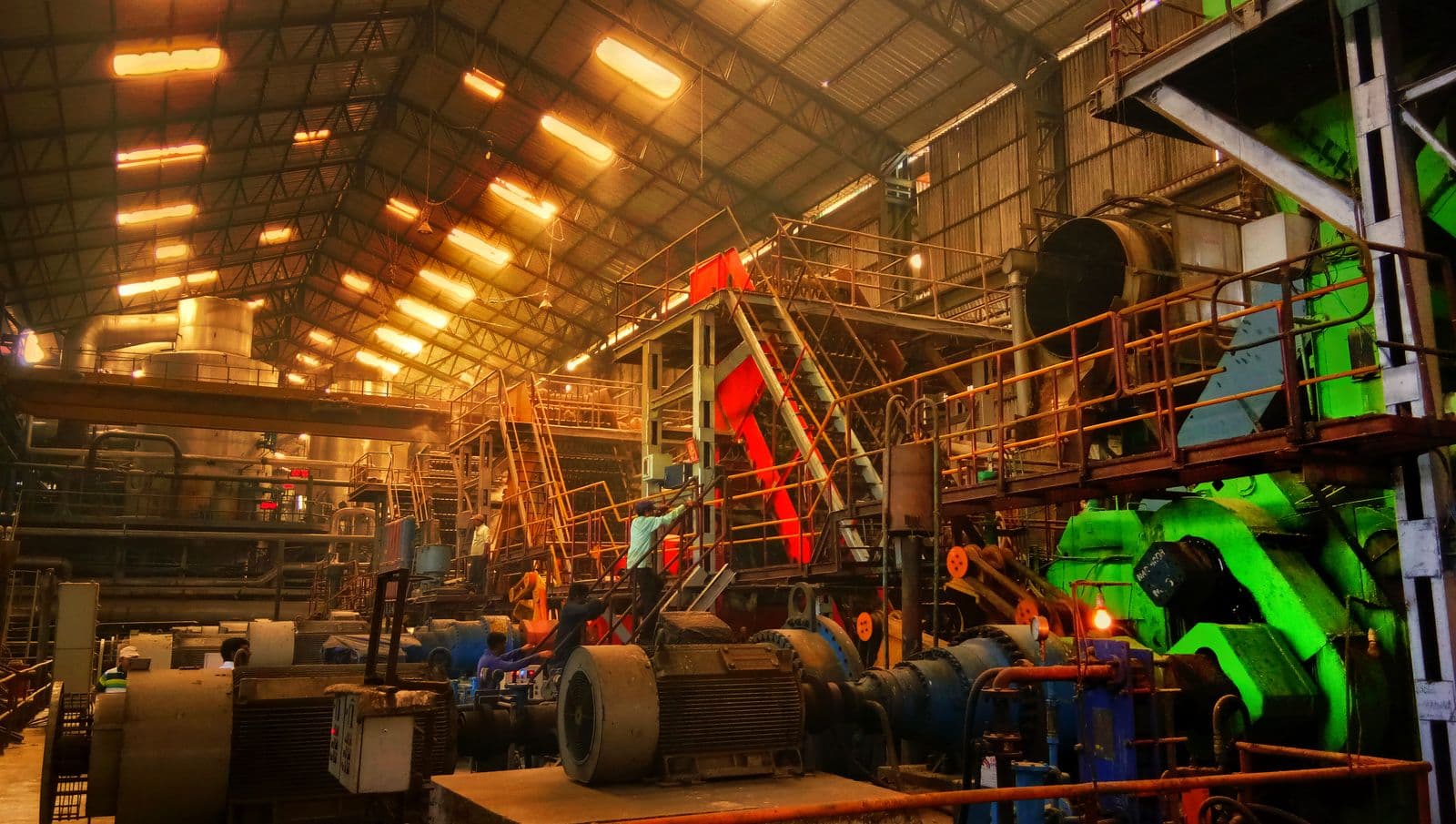
You will find Metal Face Seals in the parts of a plant where this particular duty actually occurs. In practice that means track rollers, idlers and carrier rollers on crawler machines, final drives and travel gearboxes on excavators, trunnion and pinion bearings on grinding mills, and equally wheel ends on mine haul trucks and loaders, dredge pump and cutter head shafts, conveyor pulleys running in wet ore fines. What links them is the duty rather than the machine name — sealing: Metal face against metal face, lapped. If your installation is not on that list it matters less than you would think: the operating condition decides the specification. Send us the load, the speed, the running temperature and the environment it runs in, and we will match it to the right execution in the SKF range and confirm what is in stock.
Specify it against the duty.
Specification here follows the operating condition, not the catalogue. The unit runs submerged or in constant slurry — A metal face seal rather than an upgraded lip seal. Slurry cuts an elastomer lip and the shaft under it; two lapped metal faces have nothing soft exposed. Housing faces are being reused from an old assembly — Check the ramp and bore for corrosion pits and clean them back to bare metal. The toric ring must grip the ramp, and a pitted ramp lets the ring creep and lose face load. The assembly gap can vary between builds — Measure the installed height on every unit against the specified figure. Too little compression leaks straight away, too much and the faces run hot and score. Where two of those apply at once, specify for the harsher of the two — under-specifying is what puts the part back on the bench a month later. Send us the duty and we will confirm the execution.
Ordering this from SES.
Wipe both faces with a lint-free cloth and a trace of clean oil immediately before closing the housing. A single grit particle trapped between the faces will score a leak path across both rings on the first revolution.