
Piston Seals
Seals in the piston groove that stop fluid crossing from one side of the piston to the other. They set how well a cylinder holds a load and how fast it drifts when the valve is closed. SES holds the range as an authorised SKF distributor, covering bore range From roughly 16 mm to over 1 000 mm; pressure To 40 MPa typical; higher with back-up support; materials Polyurethane, NBR, PTFE compounds with NBR or FKM energiser; speed Up to about 0,5 m/s for elastomer, higher for PTFE. Executions include single-acting lip type, double-acting lip type, PTFE slipper with o-ring energiser, compact one-piece double-acting, among others. It is specified most often into press and forging cylinders in heavy fabrication and mill roll gap adjustment cylinders. Every part is genuine SKF through official channels, with designation, specification and options confirmed against your duty before it ships — supplied from Kolkata and our branch network, with breakdown cover that does not sit in an inbox.
Send an enquiry
Check Price & Availability.
Give us the size or the failed part — we reply on WhatsApp.
Trusted across Metals & Energy
Supplying India’s Industrial Names.
From integrated steel plants to power utilities and EPC majors — the works that cannot afford a counterfeit part specify through SES.




















Position
Piston groove, sealing against the tube bore
Action
Single-acting or double-acting
Types
Elastomer lip, PTFE slipper with O-ring energiser
Pressure
Commonly to 40 MPa
Where it runs.
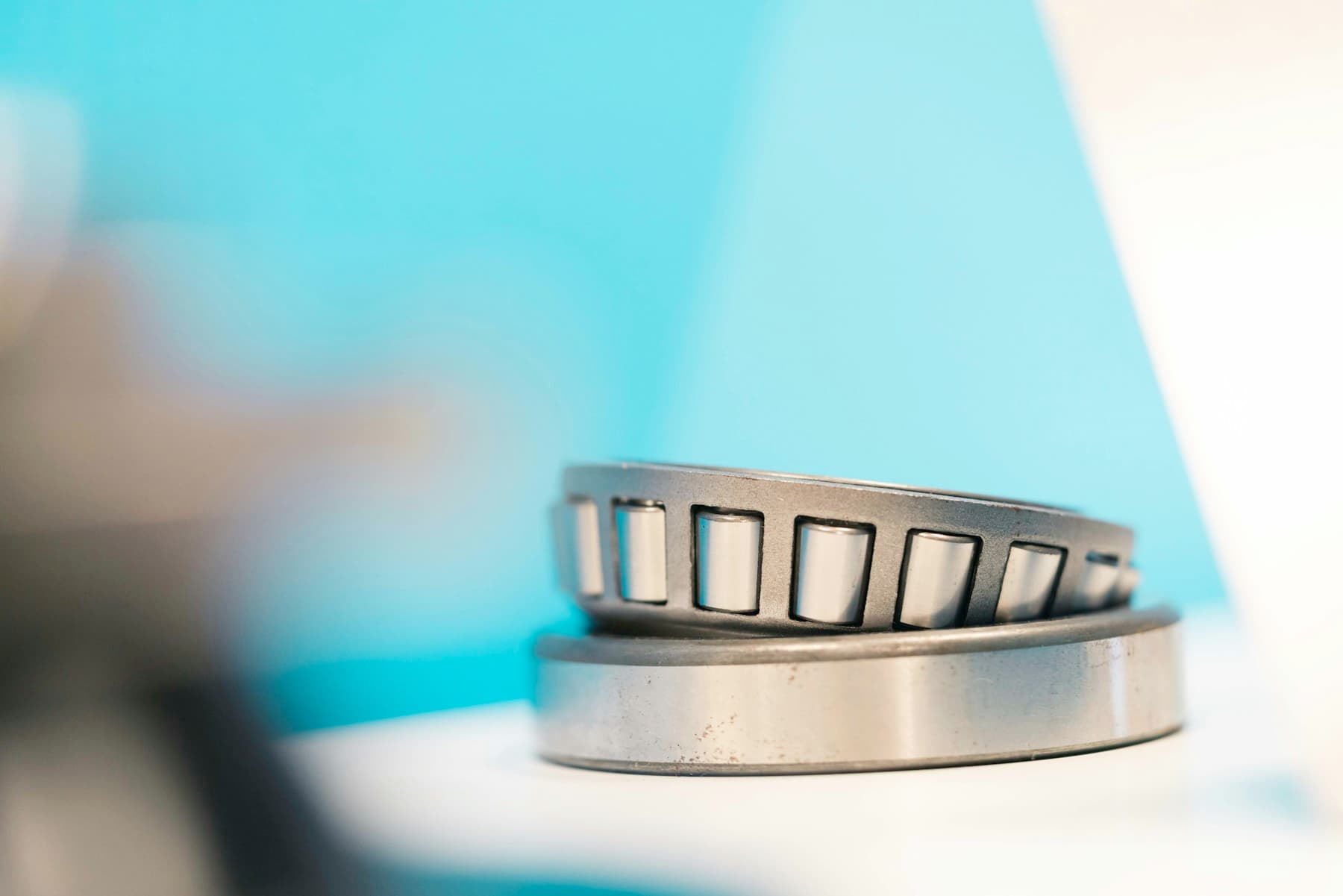
You will find Piston Seals in the parts of a plant where this particular duty actually occurs. In practice that means press and forging cylinders in heavy fabrication, mill roll gap adjustment cylinders, excavator and loader lift rams, and equally gate and damper actuators on boilers, clamping cylinders on machine tools, tilting and tipping cylinders on ladle cars. What links them is the duty rather than the machine name — position: Piston groove, sealing against the tube bore. If your installation is not on that list it matters less than you would think: the operating condition decides the specification. Send us the load, the speed, the running temperature and the environment it runs in, and we will match it to the right execution in the SKF range and confirm what is in stock.
Specify it against the duty.
Specification here follows the operating condition, not the catalogue. The piston must hold a suspended load without creeping — An elastomer lip seal rather than a PTFE slipper. Slipper seals run on a controlled film and will always drift a little by design. Breakaway stiction causes stick-slip at low speed — A PTFE-based slipper seal, which has far lower static friction. The juddering usually disappears with the seal change alone. The bore has been honed oversize during a repair — Recalculate the extrusion gap and add a back-up ring if needed. A gap that has grown by a few tenths is enough to nibble the seal heel at full pressure. Where two of those apply at once, specify for the harsher of the two — under-specifying is what puts the part back on the bench a month later. Send us the duty and we will confirm the execution.
Ordering this from SES.
Snap a stretched piston seal back to size with a calibration ring or a smooth sleeve before the piston goes into the tube. Forcing a swollen seal past the tube entry chamfer shaves the outside diameter, and the shaving ends up in the pump.