
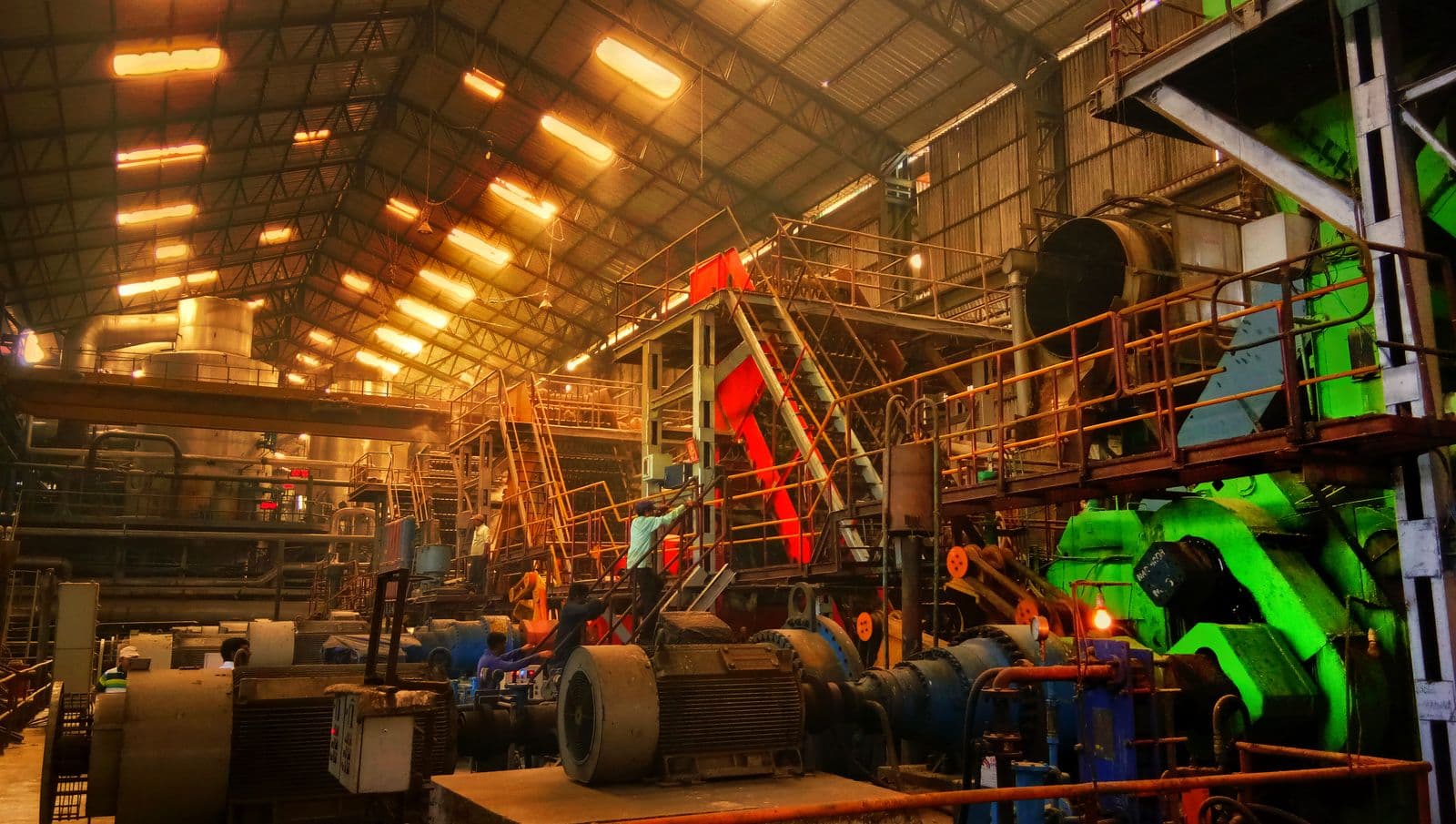
Piston Seals
Turned piston sealing elements made to a measured piston groove and tube bore. They suit oversize bores, obsolete sizes and any cylinder that cannot wait for a moulded part. SES holds the range as an authorised SKF distributor, covering bore range Small bores to well over 1 000 mm; pressure To 40 MPa and above with suitable material and back-up; materials Polyurethane, PTFE with elastomer energiser, POM back-up; profiles Single-acting, double-acting and compact forms. Executions include single-acting turned lip seal, double-acting turned lip seal, PTFE slipper with turned energiser groove, profile with integral back-up ring, among others. It is specified most often into press and forging cylinders with honed-oversize tubes and imperial cylinders on older imported machinery. Every part is genuine SKF through official channels, with designation, specification and options confirmed against your duty before it ships — supplied from Kolkata and our branch network, with breakdown cover that does not sit in an inbox.
Send an enquiry
Check Price & Availability.
Give us the size or the failed part — we reply on WhatsApp.
Trusted across Metals & Energy
Supplying India’s Industrial Names.
From integrated steel plants to power utilities and EPC majors — the works that cannot afford a counterfeit part specify through SES.


















Route
Turned from bar or tube to measurement
Action
Single-acting or double-acting profiles
Fit
Cut to the actual bore, not the nominal
Materials
Polyurethane, PTFE compounds, POM-backed designs
Where it runs.
You will find Piston Seals in the parts of a plant where this particular duty actually occurs. In practice that means press and forging cylinders with honed-oversize tubes, imperial cylinders on older imported machinery, large-bore hydraulic rams beyond moulded ranges, and equally gate and penstock actuators on ageing installations, furnace and ladle tilt cylinders in steel plant, single-cylinder emergency replacements during a shutdown. What links them is the duty rather than the machine name — route: Turned from bar or tube to measurement. If your installation is not on that list it matters less than you would think: the operating condition decides the specification. Send us the load, the speed, the running temperature and the environment it runs in, and we will match it to the right execution in the SKF range and confirm what is in stock.
Specify it against the duty.
Specification here follows the operating condition, not the catalogue. Tube bore measures above the drawing figure — The element turned to the measured bore with the extrusion gap recalculated. A nominal seal in an opened bore blows by under load and drifts. The piston groove has been re-machined during repair — Supply the new groove diameter and width as measured. A profile designed to the old groove will either stand proud or rattle in the new one. The cylinder holds pressure for long periods without moving — A lip profile with positive contact rather than a low-friction slipper form. Turned parts allow that choice free of tooling constraints. Where two of those apply at once, specify for the harsher of the two — under-specifying is what puts the part back on the bench a month later. Send us the duty and we will confirm the execution.
Ordering this from SES.
Measure the tube bore at three points along the stroke and at two angles at each point. Cylinders wear oval and barrel-shaped, and a seal turned to the tightest reading will bind before the piston reaches the far end.