

Radial Shaft Seals
A spring-loaded elastomer lip riding on a rotating shaft, holding lubricant inside the housing and excluding what is outside it. The cheapest component in the assembly and the one that decides how long the bearing lasts. SES holds the range as an authorised SKF distributor, covering shaft range 6 mm to 4000 mm including large-diameter and split types; designs HMS5, HMSA10, CRW1, CRWA1, cassette, V-ring, axial clamp; materials NBR, HNBR, FKM, PTFE, ACM, silicone; temperature −40 °C to +200 °C by compound. Executions include seals for general industrial applications, seals for heavy industrial applications, cassette seals, wear sleeves, among others. It is specified most often into gearbox input and output shafts and pump and fan bearing housings. Every part is genuine SKF through official channels, with designation, specification and options confirmed against your duty before it ships — supplied from Kolkata and our branch network, with breakdown cover that does not sit in an inbox.
Send an enquiry
Check Price & Availability.
Give us the size or the failed part — we reply on WhatsApp.
Trusted across Metals & Energy
Supplying India’s Industrial Names.
From integrated steel plants to power utilities and EPC majors — the works that cannot afford a counterfeit part specify through SES.





















Function
Retain lubricant, exclude contamination
Materials
Nitrile, HNBR, FKM, PTFE, polyacrylate
Speed
To 25 m/s surface speed by material
Designs
Single lip, dual lip, cassette, V-ring
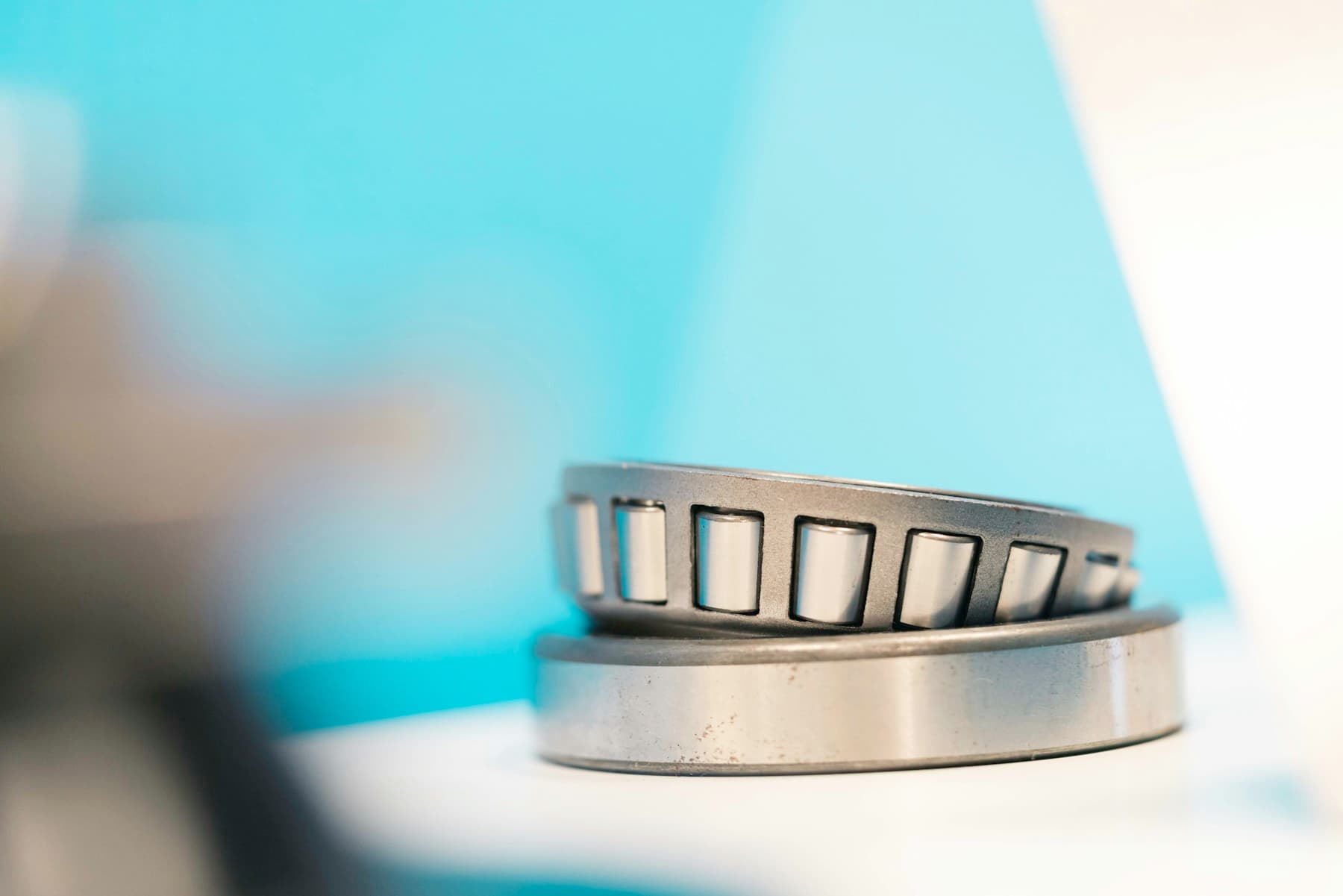
Where it runs.
You will find Radial Shaft Seals in the parts of a plant where this particular duty actually occurs. In practice that means gearbox input and output shafts, pump and fan bearing housings, roller table and conveyor drive shafts, and equally hydraulic and pneumatic cylinder rods, mill and kiln drive assemblies, wheel ends and axle hubs on plant vehicles. What links them is the duty rather than the machine name — function: Retain lubricant, exclude contamination. If your installation is not on that list it matters less than you would think: the operating condition decides the specification. Send us the load, the speed, the running temperature and the environment it runs in, and we will match it to the right execution in the SKF range and confirm what is in stock.
Specify it against the duty.
Specification here follows the operating condition, not the catalogue. Abrasive dust or slurry outside the housing — Dual-lip seal with an auxiliary dust lip, or a cassette seal where the counterface is supplied with it. Synthetic oil or temperature above 100 °C — FKM (Viton) rather than nitrile. Nitrile hardens, loses lip interference and weeps. Shaft already worn with a groove at the old lip track — A wear sleeve to restore the counterface, or a seal of different width so the lip runs on fresh material. Where two of those apply at once, specify for the harsher of the two — under-specifying is what puts the part back on the bench a month later. Send us the duty and we will confirm the execution.
Ordering this from SES.
Fit the seal with the lip facing the lubricant and use a fitting sleeve over the shaft keyway or splines. A lip cut on a keyway edge during assembly will leak from day one and gets blamed on the seal.