
Roller Encoder Units
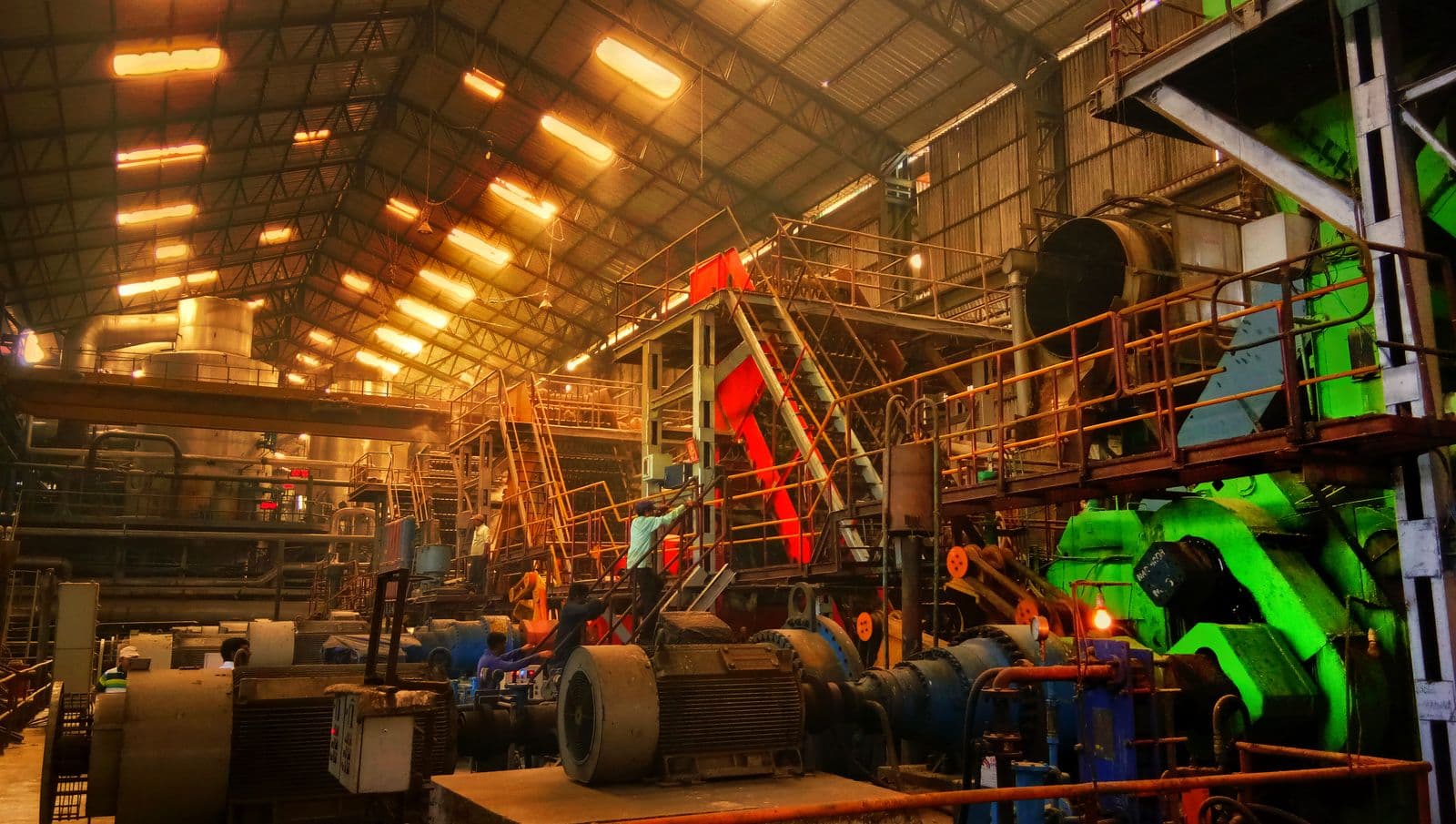
A conveyor roller end bearing with sensing built in, reporting roller speed and rotation directly. Because it reads the roller rather than the motor, it sees belt slip, stalled rollers and jams as they happen. SES holds the range as an authorised SKF distributor, covering bore range Common roller shaft sizes in handling equipment; output Incremental pulses with direction sensing; supply Low voltage DC from the zone or line controller; sealing Sealed for handling environments. Executions include units for standard conveyor roller bearing sizes, units with a plug connector for quick change, units with a flying lead, executions with a higher pulse count for position control, among others. It is specified most often into accumulation conveyors in warehouse and packing halls and sortation and diverter sections in distribution centres. Every part is genuine SKF through official channels, with designation, specification and options confirmed against your duty before it ships — supplied from Kolkata and our branch network, with breakdown cover that does not sit in an inbox.
Send an enquiry
Check Price & Availability.
Give us the size or the failed part — we reply on WhatsApp.
Trusted across Metals & Energy
Supplying India’s Industrial Names.
From integrated steel plants to power utilities and EPC majors — the works that cannot afford a counterfeit part specify through SES.





















Fits
Conveyor and handling roller ends
Reads
Actual roller speed and direction
Detects
Slip, stall and jam conditions
Interface
Pulse output to the control system

Where it runs.
You will find Roller Encoder Units in the parts of a plant where this particular duty actually occurs. In practice that means accumulation conveyors in warehouse and packing halls, sortation and diverter sections in distribution centres, belt and roller transfers in food and beverage plant, and equally baggage and parcel handling lines, roller tables feeding process machinery, zoned conveyors with individual roller control. What links them is the duty rather than the machine name — fits: Conveyor and handling roller ends. If your installation is not on that list it matters less than you would think: the operating condition decides the specification. Send us the load, the speed, the running temperature and the environment it runs in, and we will match it to the right execution in the SKF range and confirm what is in stock.
Specify it against the duty.
Specification here follows the operating condition, not the catalogue. Product is jamming and the control system does not know until an operator sees it — Encoder units at the critical roller positions, with a stall alarm in the control logic. The bearing reports a stopped roller straight away instead of waiting for a pile-up. The line has zoned accumulation and each zone must release independently — One unit per zone, wired to the zone controller. Taking a speed signal from a single drive point tells you nothing about what an individual zone is doing. Belt slip is suspected but motor feedback looks normal — A roller-mounted unit downstream of the drive. Comparing motor speed against true roller speed is the only way to measure the slip rather than infer it. Where two of those apply at once, specify for the harsher of the two — under-specifying is what puts the part back on the bench a month later. Send us the duty and we will confirm the execution.
Ordering this from SES.
Fit these on the non-drive end of the roller wherever the design allows. That end is easier to reach for a cable change, and it keeps the signal cable away from the drive chain or belt that will eventually need adjusting.