
Rolling Bearings
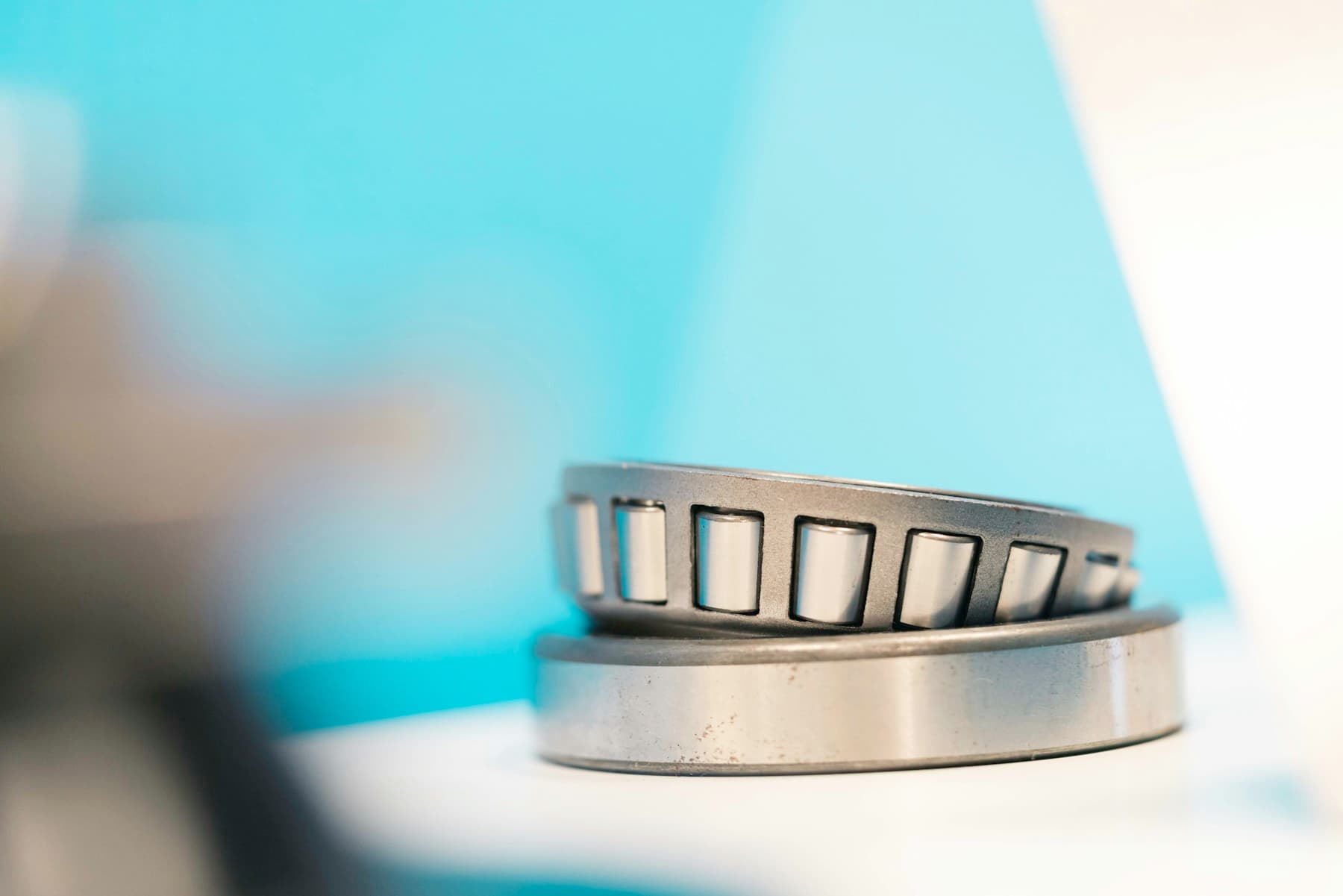
Hardened balls or rollers running between an inner and an outer raceway, held in a cage. The rolling element geometry decides everything that follows — how much load the bearing takes, in which direction, at what speed, and how much shaft misalignment it will forgive. SES holds the range as an authorised SKF distributor, covering bore range 3 mm to over 1000 mm across the family; clearance classes C2, normal, C3, C4, C5; tolerance classes Normal through P6, P5 and finer for precision types; cage execution Pressed steel, machined brass, glass fibre reinforced polyamide. Executions include ball bearings, roller bearings, bearing units, bearing housings, among others. It is specified most often into mill and kiln drive trains in cement and steel and turbine auxiliaries, boiler feed pumps and fan bearings in power plants. Every part is genuine SKF through official channels, with designation, specification and options confirmed against your duty before it ships — supplied from Kolkata and our branch network, with breakdown cover that does not sit in an inbox.
Send an enquiry
Check Price & Availability.
Give us the size or the failed part — we reply on WhatsApp.
Trusted across Metals & Energy
Supplying India’s Industrial Names.
From integrated steel plants to power utilities and EPC majors — the works that cannot afford a counterfeit part specify through SES.





















Element forms
Ball, cylindrical, spherical, tapered, needle, toroidal
Load direction
Radial, axial or combined by type
Clearance
C2 to C5, chosen against fit and temperature
Life driver
Load, contamination and lubricant film
Where it runs.
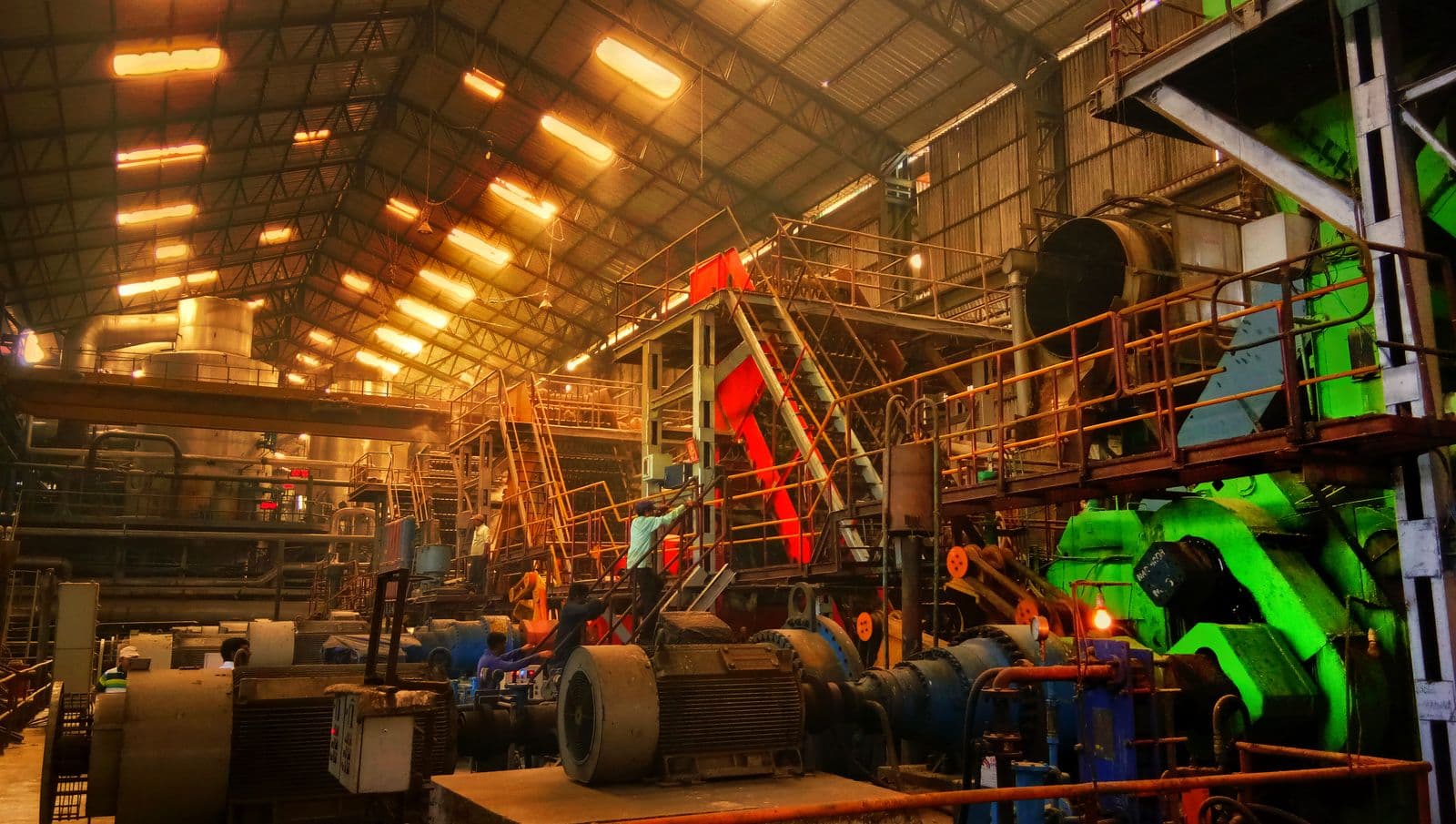
You will find Rolling Bearings in the parts of a plant where this particular duty actually occurs. In practice that means mill and kiln drive trains in cement and steel, turbine auxiliaries, boiler feed pumps and fan bearings in power plants, rolling mill stands, coilers and pinch rolls, and equally crusher, screen and apron feeder shafts in mineral handling, paper machine rolls, calenders and pope reels, agro processing rice hullers, expellers and separators. What links them is the duty rather than the machine name — element forms: Ball, cylindrical, spherical, tapered, needle, toroidal. If your installation is not on that list it matters less than you would think: the operating condition decides the specification. Send us the load, the speed, the running temperature and the environment it runs in, and we will match it to the right execution in the SKF range and confirm what is in stock.
Specify it against the duty.
Specification here follows the operating condition, not the catalogue. Load is predominantly radial at moderate speed with clean lubrication — A deep groove ball bearing. It costs least, runs coolest and is the reference against which every other choice should be justified. Load is heavy and the shaft deflects under it — A spherical or toroidal roller type. A cylindrical bearing in a deflecting shaft edge-loads the roller ends and the raceway shows stress marks at both extremities. Radial and axial components are of similar magnitude — A tapered roller or angular contact arrangement so the contact angle matches the resultant load line. Where two of those apply at once, specify for the harsher of the two — under-specifying is what puts the part back on the bench a month later. Send us the duty and we will confirm the execution.
Ordering this from SES.
Clearance is chosen against the fit and the temperature difference across the rings, never against the bearing type on its own. An interference fit on the shaft consumes a slice of the clearance before the machine has even been switched on.