
Rubber Seating Rings
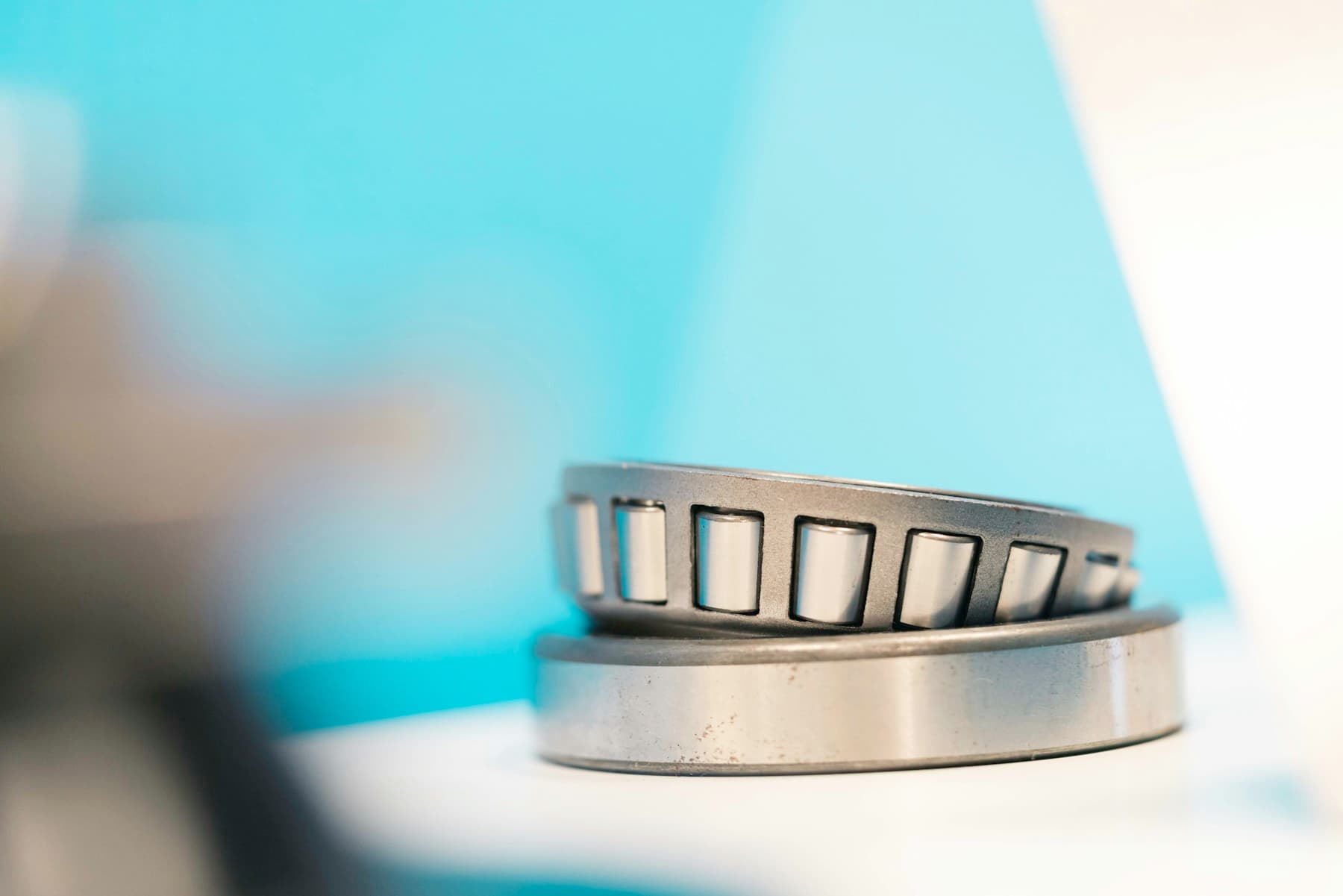
Moulded rings fitted between the outside diameter of the insert bearing and the housing bore. They damp vibration, allow small axial movement and let the bearing settle into place without a hard metal-to-metal seat. SES holds the range as an authorised SKF distributor, covering material Nitrile rubber as standard, other grades to order; section Moulded to suit the housing bore and insert OD; sizes Matched to standard insert bearing outside diameters; temperature Limited by the elastomer, typically below 100 °C. Executions include standard nitrile seating rings, seating rings for pillow block housings, seating rings for flanged housings, high temperature elastomer executions. It is specified most often into fan and air handling unit shafts where noise matters and light conveyor rollers on packaging lines. Every part is genuine SKF through official channels, with designation, specification and options confirmed against your duty before it ships — supplied from Kolkata and our branch network, with breakdown cover that does not sit in an inbox.
Send an enquiry
Check Price & Availability.
Give us the size or the failed part — we reply on WhatsApp.
Trusted across Metals & Energy
Supplying India’s Industrial Names.
From integrated steel plants to power utilities and EPC majors — the works that cannot afford a counterfeit part specify through SES.





















Position
Between insert OD and housing bore
Effect
Damps vibration, absorbs small misalignment
Movement
Allows limited axial float in the seat
Fitting
Slipped over the bearing before insertion
Where it runs.
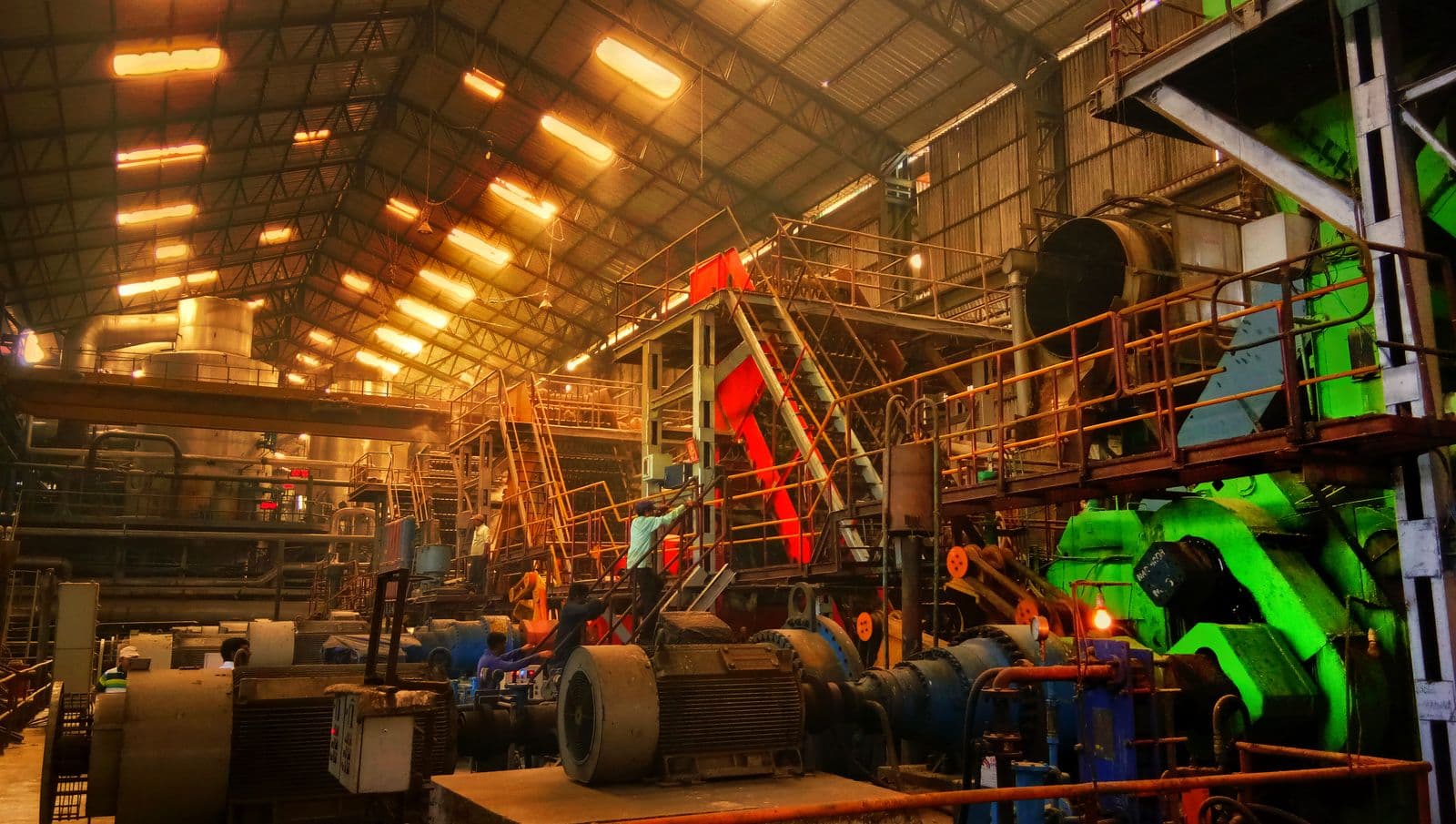
You will find Rubber Seating Rings in the parts of a plant where this particular duty actually occurs. In practice that means fan and air handling unit shafts where noise matters, light conveyor rollers on packaging lines, shafts driven by belts with an out-of-balance pulley, and equally small blower and exhaust units in workshops and offices, equipment mounted on light fabricated frames that ring. What links them is the duty rather than the machine name — position: Between insert OD and housing bore. If your installation is not on that list it matters less than you would think: the operating condition decides the specification. Send us the load, the speed, the running temperature and the environment it runs in, and we will match it to the right execution in the SKF range and confirm what is in stock.
Specify it against the duty.
Specification here follows the operating condition, not the catalogue. The unit transmits fan noise into the building structure — Fit the seating ring to break the metallic path from bearing to housing. Bolting an isolator under the pillow block instead often just moves the resonance to another frequency. The shaft grows axially when the machine warms up — The ring lets the outer ring creep a controlled amount in the seat. Do not rely on it for large expansion, because past a few millimetres the ring rolls out of its groove. Load is heavy or the duty involves shock — Leave the ring out and seat the bearing directly. Under heavy load the rubber deforms permanently, the shaft drops in the housing and the alignment goes with it. Where two of those apply at once, specify for the harsher of the two — under-specifying is what puts the part back on the bench a month later. Send us the duty and we will confirm the execution.
Ordering this from SES.
Fit a new ring every time the bearing is changed. A ring that has been compressed for two years has taken a set, and reusing it puts the shaft a fraction low on one side, which is enough to make a belt drive run hot.