
SEAL JET Systems
SEAL JET is the CNC machining system that produces seals from semi-finished blanks without any mould. It is why a non-catalogue rod seal or a metre-wide lip seal can be produced from a drawing or a worn sample instead of a tooling order. SES holds the range as an authorised SKF distributor, covering process CNC seal turning from extruded and moulded blanks; profiles Rod, piston, wiper, guide, back-up, rotary, large diameter; materials PU, NBR, FKM, PTFE compounds, POM, PA, fabric-reinforced; input needed Sample seal or groove drawing, fluid, pressure, temperature, speed. Executions include fluid power profiles produced to order, rotary and large diameter profiles produced to order, guide and back-up rings, material substitution of an existing geometry. It is specified most often into breakdown cover for imported machines with no local spares support and sealing obsolete presses and cylinders still in production. Every part is genuine SKF through official channels, with designation, specification and options confirmed against your duty before it ships — supplied from Kolkata and our branch network, with breakdown cover that does not sit in an inbox.
Send an enquiry
Check Price & Availability.
Give us the size or the failed part — we reply on WhatsApp.
Trusted across Metals & Energy
Supplying India’s Industrial Names.
From integrated steel plants to power utilities and EPC majors — the works that cannot afford a counterfeit part specify through SES.


















Method
CNC turning from polymer blanks
Tooling
None required
Covers
Fluid power and power transmission profiles
Best for
Obsolete, oversized and one-off seals
Where it runs.
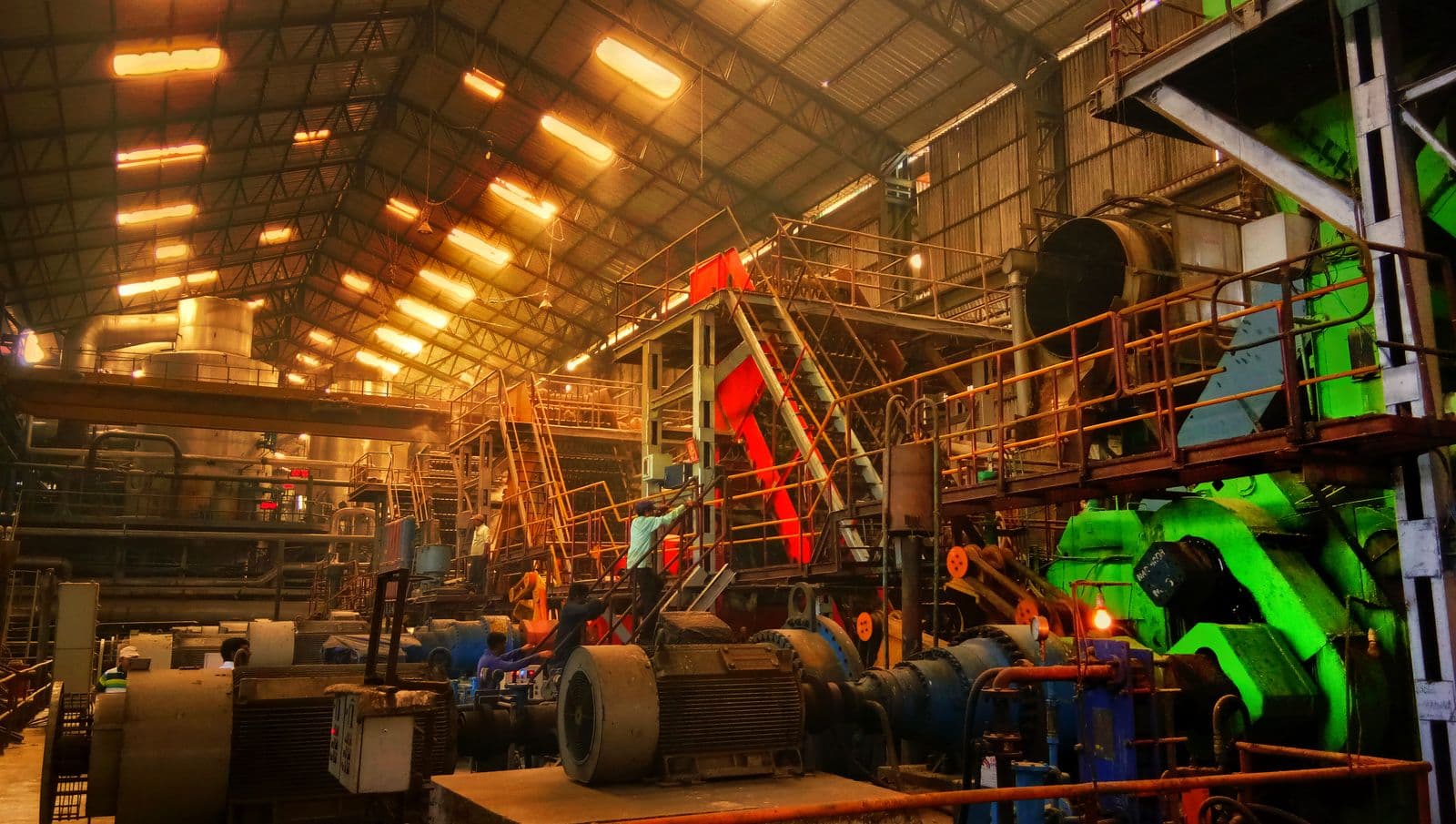
You will find SEAL JET Systems in the parts of a plant where this particular duty actually occurs. In practice that means breakdown cover for imported machines with no local spares support, sealing obsolete presses and cylinders still in production, large diameter roll and trunnion seals for mill maintenance, and equally shutdown kits assembled from measured samples, prototype and trial seals during a machine upgrade, material upgrades where the original compound keeps failing. What links them is the duty rather than the machine name — method: CNC turning from polymer blanks. If your installation is not on that list it matters less than you would think: the operating condition decides the specification. Send us the load, the speed, the running temperature and the environment it runs in, and we will match it to the right execution in the SKF range and confirm what is in stock.
Specify it against the duty.
Specification here follows the operating condition, not the catalogue. A standard seal exists and annual usage is high — Stay with the moulded part. Machined seals earn their money on availability and odd sizes, not on volume repeat orders. The machine is down and the seal has a long import lead time — A machined equivalent from the sample. Send the old seal, the groove dimensions and the fluid — the compound choice depends on all three. The original compound keeps failing on temperature or media — The same geometry in a different material. Machining lets you change compound without changing the housing. Where two of those apply at once, specify for the harsher of the two — under-specifying is what puts the part back on the bench a month later. Send us the duty and we will confirm the execution.
Ordering this from SES.
Send the failed seal along with the order, not just its dimensions. How it failed — extruded, hardened, swollen, abraded — tells you more about the right compound than any measurement will. Send the designation off the failed part and we will confirm the SKF equivalent and stock position.