
Seals
The whole sealing range, covering rotating shafts, reciprocating rods and static joints. Decide the duty first — rotary, reciprocating or static — because that fixes the family long before bore and width matter. SES holds the range as an authorised SKF distributor, covering rotary shaft range Roughly 4 mm up to 4 000 mm with large-diameter designs; reciprocating range Rod and bore sizes from a few mm to well over 1 000 mm; temperature span About -50 °C to +200 °C depending on compound; pressure Near-atmospheric for lip seals; up to 40 MPa and above for hydraulic sets. Executions include industrial seals, power transmission seals, hydraulic seals, fluid handling seals, among others. It is specified most often into gearbox and motor shaft ends across a rolling mill and hydraulic cylinders on presses, shears and manipulators. Every part is genuine SKF through official channels, with designation, specification and options confirmed against your duty before it ships — supplied from Kolkata and our branch network, with breakdown cover that does not sit in an inbox.
Send an enquiry
Check Price & Availability.
Give us the size or the failed part — we reply on WhatsApp.
Trusted across Metals & Energy
Supplying India’s Industrial Names.
From integrated steel plants to power utilities and EPC majors — the works that cannot afford a counterfeit part specify through SES.





















Duty types
Rotary, reciprocating, static
Size span
A few mm to several metres
Materials
NBR, HNBR, FKM, PTFE, polyurethane
Formats
Moulded, machined, split, unitised

Where it runs.
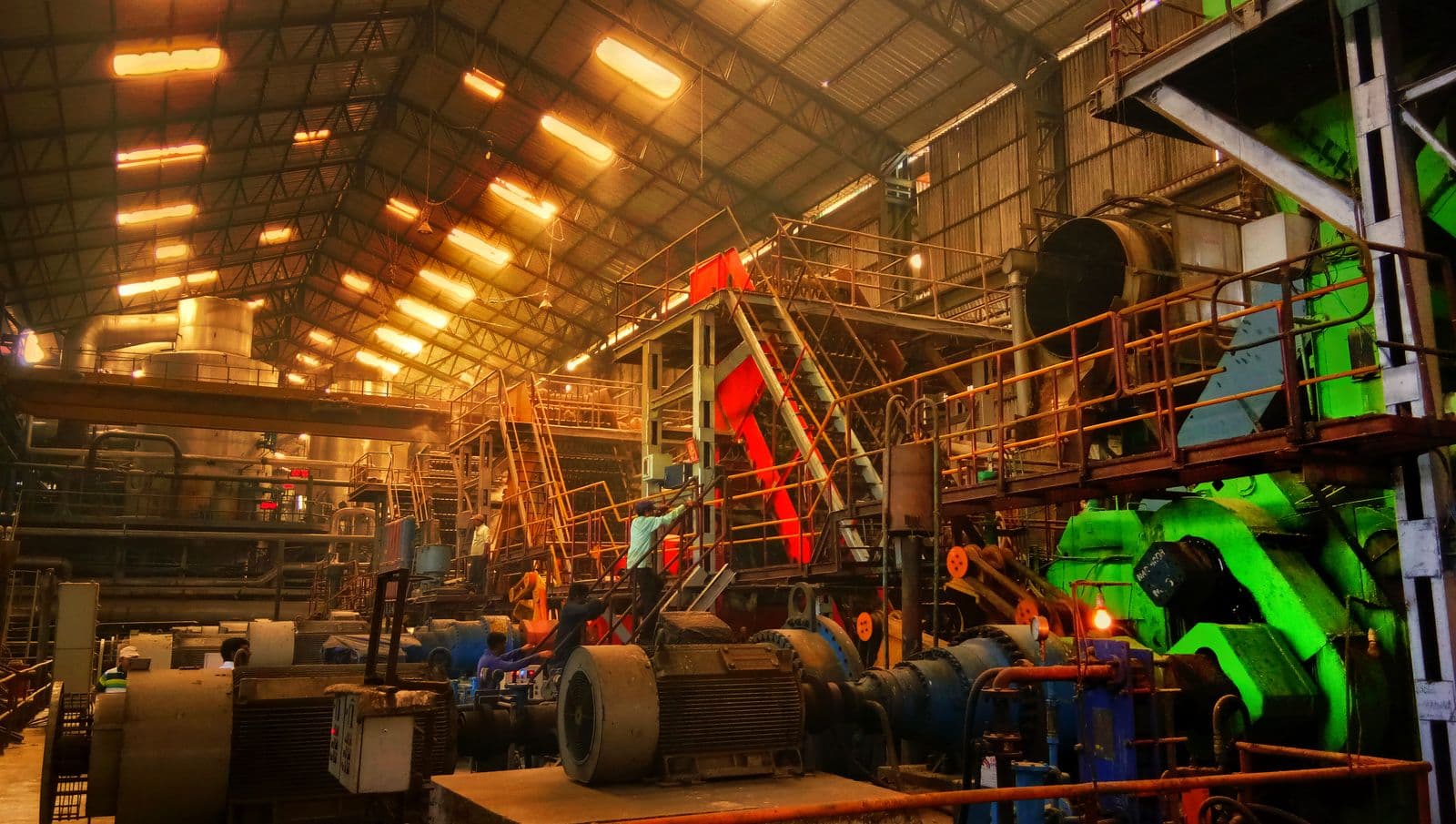
You will find Seals in the parts of a plant where this particular duty actually occurs. In practice that means gearbox and motor shaft ends across a rolling mill, hydraulic cylinders on presses, shears and manipulators, kiln, mill and dryer trunnion ends in cement and paper, and equally conveyor pulley end covers in coal and mineral handling, pump shafts and valve stems in process and utility areas, undercarriage and final drives on mobile plant. What links them is the duty rather than the machine name — duty types: Rotary, reciprocating, static. If your installation is not on that list it matters less than you would think: the operating condition decides the specification. Send us the load, the speed, the running temperature and the environment it runs in, and we will match it to the right execution in the SKF range and confirm what is in stock.
Specify it against the duty.
Specification here follows the operating condition, not the catalogue. Shaft turns and there is oil or grease behind it — A radial shaft seal sized on shaft diameter, housing bore and width. Sizing on shaft alone leads to a seal that will not stay in the bore. The part strokes rather than rotates — A hydraulic seal set — piston, rod, buffer, wiper, guide. Fitting a rotary lip seal on a rod lets the lip roll over and blow out at the first pressure spike. The size is not in the catalogue, or the machine is already stripped — A machined seal turned to the measured groove. Waiting on a moulded size can add days to a shutdown that is already burning money. Where two of those apply at once, specify for the harsher of the two — under-specifying is what puts the part back on the bench a month later. Send us the duty and we will confirm the execution.
Ordering this from SES.
Before ordering anything, measure the shaft where the old lip actually ran, not next to it. A worn track is often 0,3 to 0,8 mm under nominal, and a new seal dropped onto that groove will weep within a shift.