
Sensors for Use with Lubrication Systems
Level, pressure, cycle and temperature sensors built to sit on a lubrication system and survive the environment around it. They provide the raw signals the controller uses to confirm a cycle completed or to stop before damage is done. SES holds the range as an authorised SKF distributor, covering pressure sensing Switched and continuous types for grease and oil pressures; level sensing Switches, follower plate detection and continuous transmitters; cycle sensing Inductive proximity sensors for divider pistons; connection Plug connectors or fixed cable, sealed to the housing rating. Executions include inductive proximity sensors for divider blocks, reservoir level switches, continuous level transmitters, pressure transmitters for grease lines, among others. It is specified most often into piston cycle detection on progressive divider blocks and grease drum and reservoir level sensing on mobile plant. Every part is genuine SKF through official channels, with designation, specification and options confirmed against your duty before it ships — supplied from Kolkata and our branch network, with breakdown cover that does not sit in an inbox.
Send an enquiry
Check Price & Availability.
Give us the size or the failed part — we reply on WhatsApp.
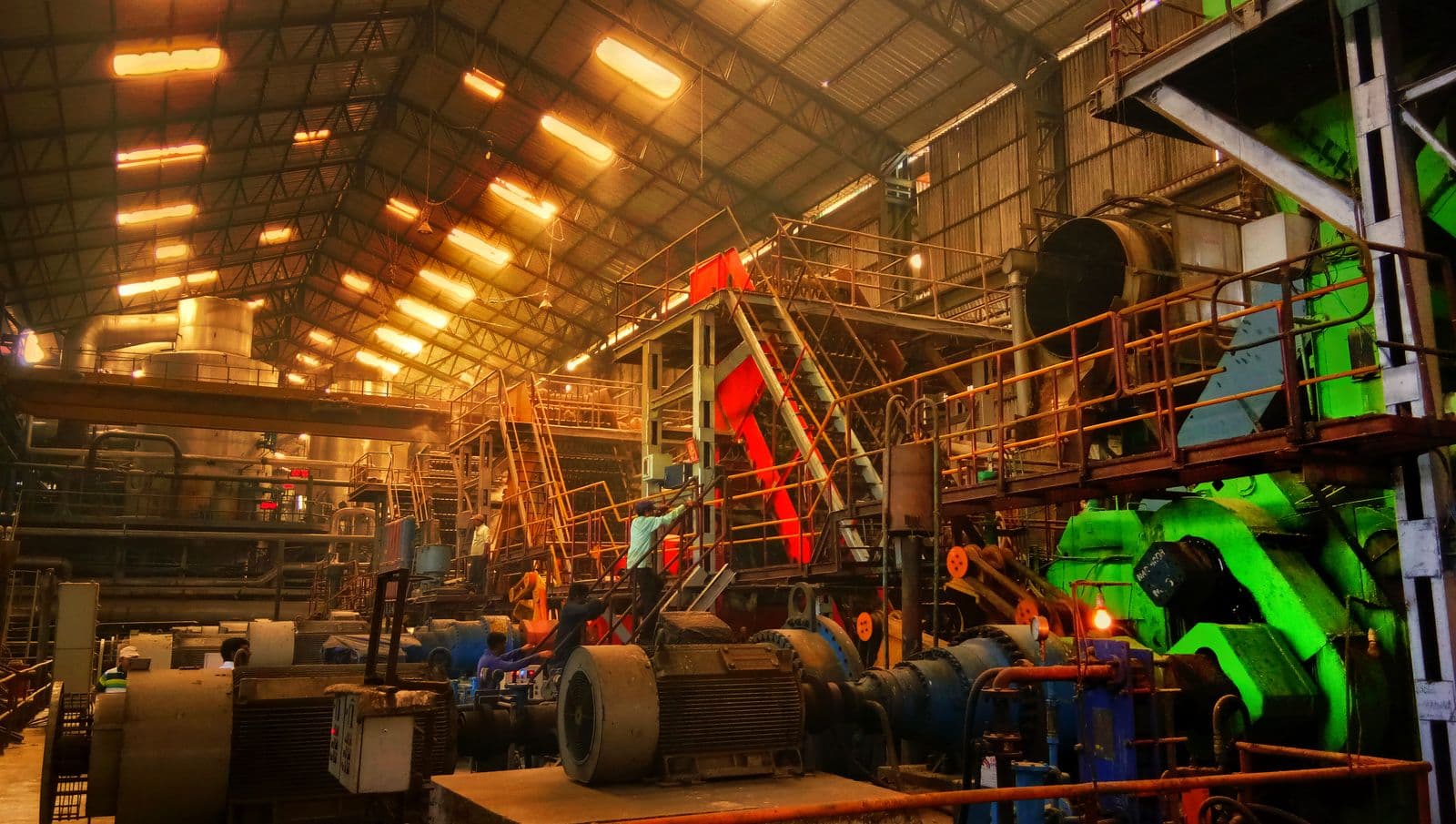
Trusted across Metals & Energy
Supplying India’s Industrial Names.
From integrated steel plants to power utilities and EPC majors — the works that cannot afford a counterfeit part specify through SES.



















Measured
Level, pressure, piston cycle, temperature
Signal
Switched contact or analogue transmitter
Environment
Vibration, dust, washdown, outdoor heat
Fit
Threaded into blocks, reservoirs and line ends

Where it runs.
You will find Sensors for Use with Lubrication Systems in the parts of a plant where this particular duty actually occurs. In practice that means piston cycle detection on progressive divider blocks, grease drum and reservoir level sensing on mobile plant, line pressure transmission on long conveyor circuits, and equally reservoir temperature sensing on heated oil units, feed line confirmation at critical bearing housings. What links them is the duty rather than the machine name — measured: Level, pressure, piston cycle, temperature. If your installation is not on that list it matters less than you would think: the operating condition decides the specification. Send us the load, the speed, the running temperature and the environment it runs in, and we will match it to the right execution in the SKF range and confirm what is in stock.
Specify it against the duty.
Specification here follows the operating condition, not the catalogue. Sensor mounted on a machine that vibrates continuously — A robust body with a strain-relieved cable entry and a service loop. In practice the element rarely fails on these installations; the cable fails at the gland. Level indication required as a number rather than a switch point — A continuous transmitter instead of a level switch. Switches tell you it is too late; a trend tells you the consumption rate has changed, which is usually the earlier warning. Sensor in a classified area handling flammable dust or vapour — A certified sensor with the correct protection concept and matching barrier. Retrofitting certification after a plant audit means opening the loop again and revalidating it. Where two of those apply at once, specify for the harsher of the two — under-specifying is what puts the part back on the bench a month later. Send us the duty and we will confirm the execution.
Ordering this from SES.
Route sensor leads away from the grease hoses and clamp them independently. A cable tied to a pressurised hose gets worked back and forth every cycle, and the intermittent fault it produces will be blamed on the sensor for months.