
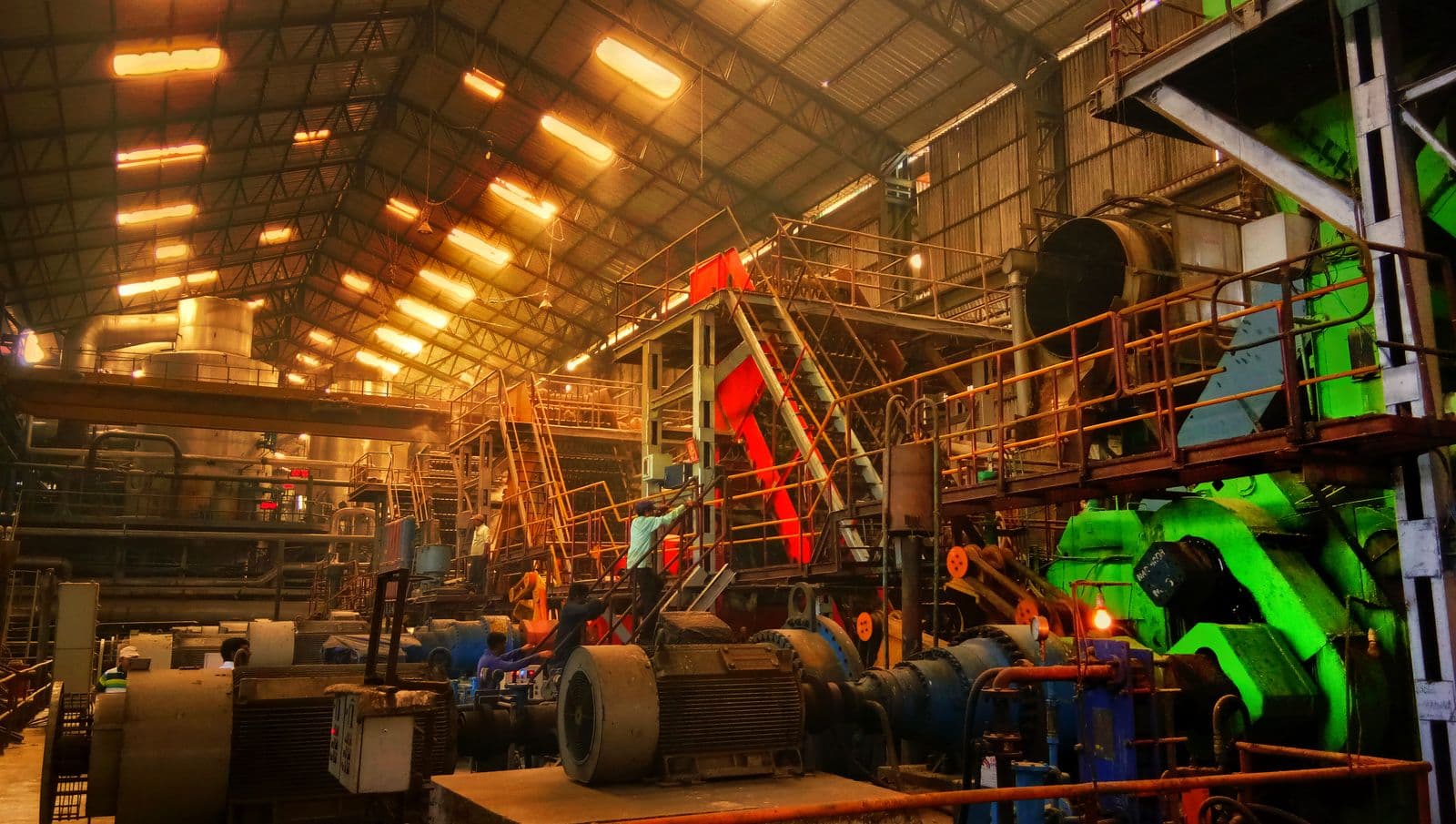
SKF Cooper Split Cylindrical Roller Bearings
A split cylindrical roller bearing carrying pure radial load, with the rollers free to travel along one raceway. It is the classic expansion-end bearing for a shaft that grows in service and cannot be dismantled. SES holds the range as an authorised SKF distributor, covering bore range About 30 mm to 600 mm; roller guidance Ribs on one ring, plain raceway on the other; axial travel Accommodated inside the bearing; cage Split machined cage. Executions include non-locating executions with a plain raceway, pillow block housed assemblies, flanged housed assemblies, cartridge housed assemblies, among others. It is specified most often into expansion ends of kiln and dryer drive shafts and long conveyor drive shafts between drive and snub pulley. Every part is genuine SKF through official channels, with designation, specification and options confirmed against your duty before it ships — supplied from Kolkata and our branch network, with breakdown cover that does not sit in an inbox.
Send an enquiry
Check Price & Availability.
Give us the size or the failed part — we reply on WhatsApp.
Trusted across Metals & Energy
Supplying India’s Industrial Names.
From integrated steel plants to power utilities and EPC majors — the works that cannot afford a counterfeit part specify through SES.





















Load
Radial only
Axial
Free travel within the roller path
Fitting
Split, clamped in position
Position
Non-locating end of a shaft
Where it runs.
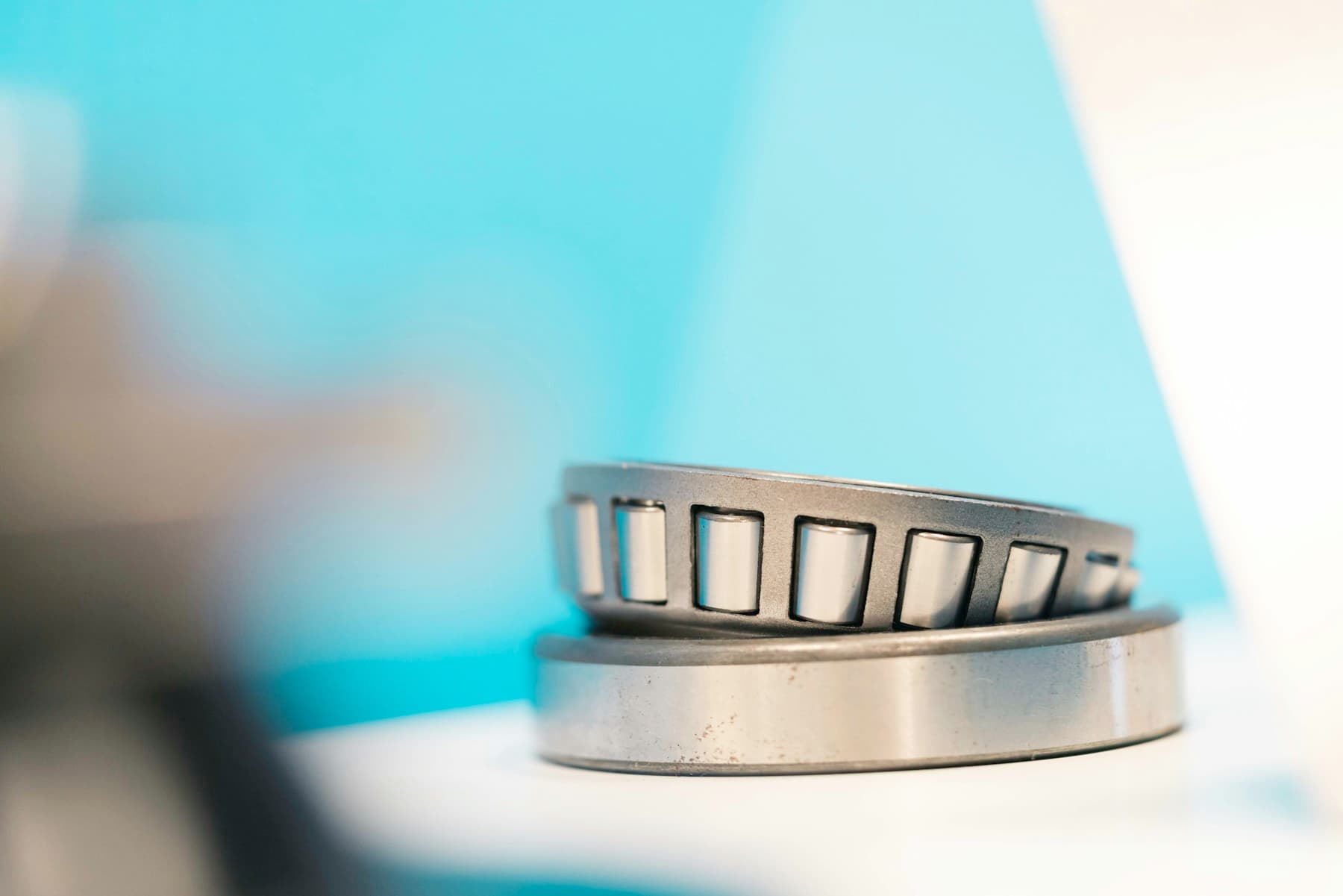
You will find SKF Cooper Split Cylindrical Roller Bearings in the parts of a plant where this particular duty actually occurs. In practice that means expansion ends of kiln and dryer drive shafts, long conveyor drive shafts between drive and snub pulley, hot air fan shafts running above ambient by a wide margin, and equally pulper and refiner drives in paper plant, sugar mill and cane carrier intermediate supports, drag chain conveyors in boiler ash handling. What links them is the duty rather than the machine name — load: Radial only. If your installation is not on that list it matters less than you would think: the operating condition decides the specification. Send us the load, the speed, the running temperature and the environment it runs in, and we will match it to the right execution in the SKF range and confirm what is in stock.
Specify it against the duty.
Specification here follows the operating condition, not the catalogue. The shaft runs hot and lengthens measurably between cold and running condition — This bearing at the free end, set centrally in its travel when cold. Set at one end of the travel and the shaft will run out of room and thrust against the rib. Alignment between the two pedestals is known to be good and stays good — The cylindrical design for its higher radial capacity in the same envelope. Where alignment is doubtful, the spherical split bearing is the safer specification. The drive imposes a small residual thrust that has nowhere else to go — A locating bearing at the other end sized for that thrust. A cylindrical roller bearing asked to hold axial load rubs the roller ends against the rib and glazes them. Where two of those apply at once, specify for the harsher of the two — under-specifying is what puts the part back on the bench a month later. Send us the duty and we will confirm the execution.
Ordering this from SES.
Mark the cold axial position of the shaft on the housing end face when you commission the machine. It costs nothing, and at the next inspection it tells you instantly whether the shaft has walked out of its intended travel band.