
SNL 30, 31 and 32 series
The large-bore end of the SNL family. Same split-cap principle as the smaller series, scaled for heavy shafting where the bearing is normally mounted on an adapter or withdrawal sleeve. SES holds the range as an authorised SKF distributor, covering series SNL 30, 31 and 32; shaft sizes Roughly 100 mm upward, into the hundreds of millimetres; material Grey cast iron standard, cast steel available; bearings Spherical roller and CARB, sleeve mounted. Executions include SNL 30 series, SNL 31 series, SNL 32 series, cast steel executions, among others. It is specified most often into long-centre overland conveyor drive pulleys and sinter plant and pellet plant fan shafts. Every part is genuine SKF through official channels, with designation, specification and options confirmed against your duty before it ships — supplied from Kolkata and our branch network, with breakdown cover that does not sit in an inbox.
Send an enquiry
Check Price & Availability.
Give us the size or the failed part — we reply on WhatsApp.
Trusted across Metals & Energy
Supplying India’s Industrial Names.
From integrated steel plants to power utilities and EPC majors — the works that cannot afford a counterfeit part specify through SES.





















Shaft sizes
Roughly 100 mm to 500 mm and above
Split
Horizontal cap and base
Material
Grey cast iron and cast steel
Mounting
Adapter or withdrawal sleeve
Where it runs.
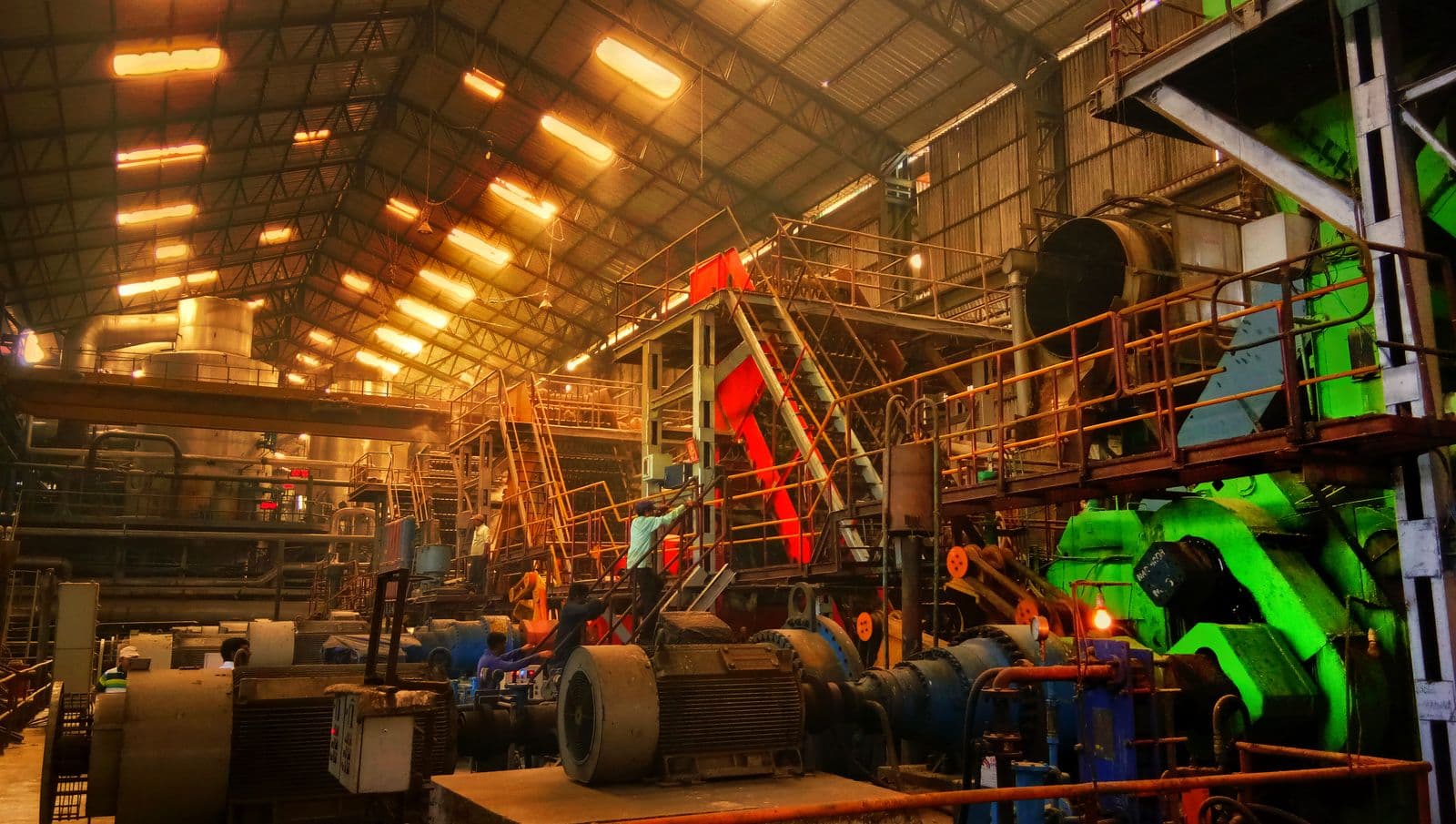
You will find SNL 30, 31 and 32 series in the parts of a plant where this particular duty actually occurs. In practice that means long-centre overland conveyor drive pulleys, sinter plant and pellet plant fan shafts, roughing stand ancillary shafts in rolling mills, and equally crusher countershafts in mineral processing, large kiln and cooler drive shafts, ship unloader and stacker-reclaimer boom shafts. What links them is the duty rather than the machine name — shaft sizes: Roughly 100 mm to 500 mm and above. If your installation is not on that list it matters less than you would think: the operating condition decides the specification. Send us the load, the speed, the running temperature and the environment it runs in, and we will match it to the right execution in the SKF range and confirm what is in stock.
Specify it against the duty.
Specification here follows the operating condition, not the catalogue. Shaft diameter falls between two housing sizes — Selection by bearing outside diameter and sleeve, never by shaft diameter. Housing size follows the bearing OD, and this is where large orders most often go wrong. Housing is the non-locating position on a long shaft — A CARB bearing or an unrestrained outer ring so the shaft can grow. On a 12 m conveyor drive shaft the thermal growth is real and it finds the weakest bearing. Load and speed make the grease interval impractically short — An oil bath execution with a level indicator. Hand-greasing a housing this size on a running plant is rarely done properly. Where two of those apply at once, specify for the harsher of the two — under-specifying is what puts the part back on the bench a month later. Send us the duty and we will confirm the execution.
Ordering this from SES.
Housings this size need the base seating scraped or shimmed to full contact before the cap goes on. Bolting a large SNL down onto three high spots twists the bore enough to show as a temperature split between the two ends inside the first day of running.