
Angular Contact Ball Bearings
Precision angular contact ball bearings carry combined radial and axial load through a contact angle, and are mounted in matched sets so the preload is defined. They are the standard spindle bearing for grinding and machining duty. SES holds the range as an authorised SKF distributor, covering contact angles 15, 18 and 25 degrees depending on series; tolerance Super-precision classes; ball material Steel or silicon nitride (hybrid); cage Machined or engineered polymer, ball guided. Executions include sealed super-precision angular contact ball bearings, hybrid ceramic ball executions, high-speed 15 degree series, high-stiffness 25 degree series, among others. It is specified most often into grinding wheel head and work head spindles and milling and turning centre spindles. Every part is genuine SKF through official channels, with designation, specification and options confirmed against your duty before it ships — supplied from Kolkata and our branch network, with breakdown cover that does not sit in an inbox.
Send an enquiry
Check Price & Availability.
Give us the size or the failed part — we reply on WhatsApp.
Trusted across Metals & Energy
Supplying India’s Industrial Names.
From integrated steel plants to power utilities and EPC majors — the works that cannot afford a counterfeit part specify through SES.





















Contact angles
Commonly 15, 18 and 25 degrees
Mounting
Matched sets, universally matchable
Preload
Light, medium, heavy classes
Balls
Steel or ceramic hybrid

Where it runs.
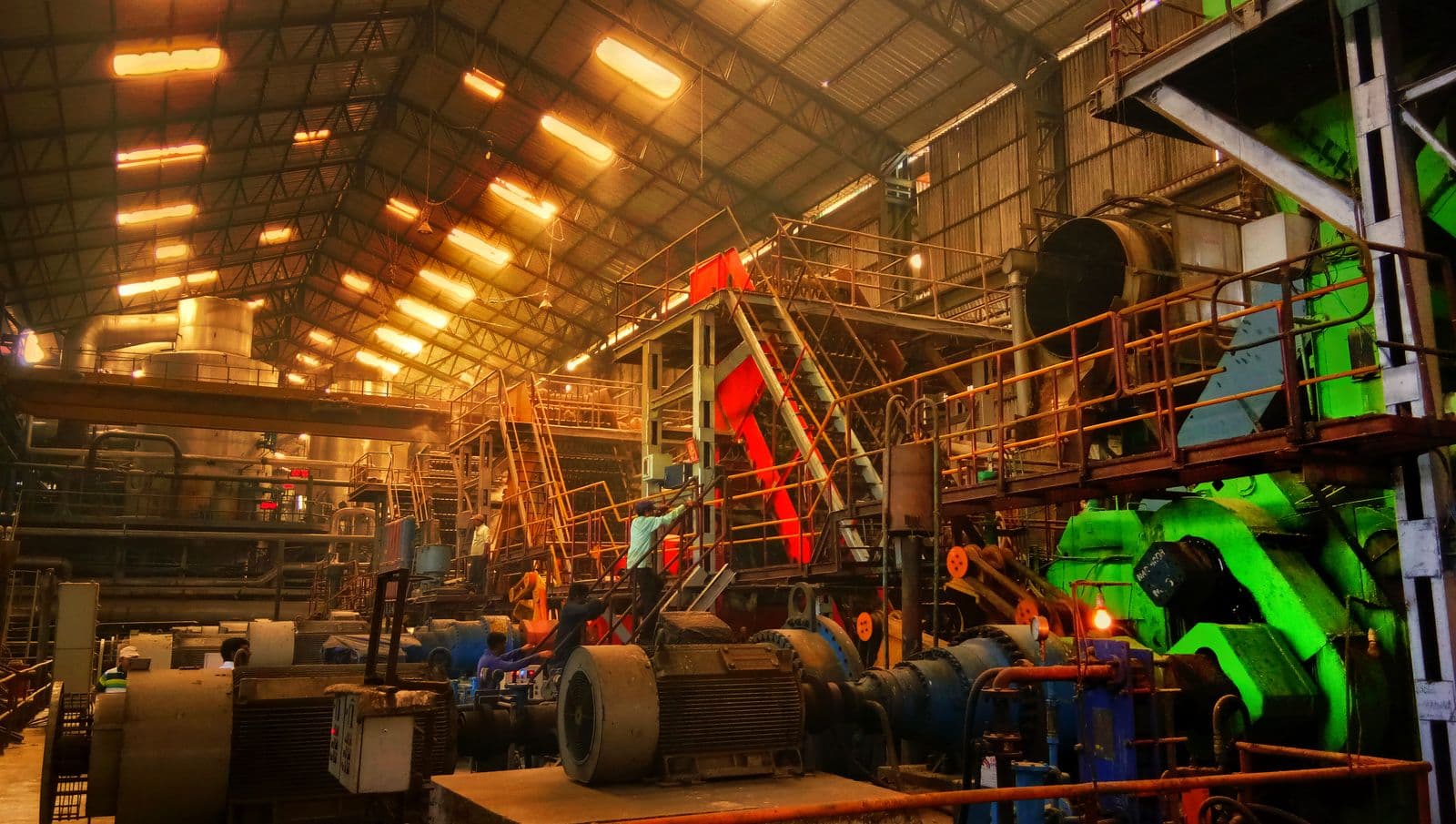
You will find Angular Contact Ball Bearings in the parts of a plant where this particular duty actually occurs. In practice that means grinding wheel head and work head spindles, milling and turning centre spindles, high-frequency and motorised spindles, and equally ball screw support bearings on machine tool axes, precision test and balancing rigs, roll grinder and tool room machine spindles. What links them is the duty rather than the machine name — contact angles: Commonly 15, 18 and 25 degrees. If your installation is not on that list it matters less than you would think: the operating condition decides the specification. Send us the load, the speed, the running temperature and the environment it runs in, and we will match it to the right execution in the SKF range and confirm what is in stock.
Specify it against the duty.
Specification here follows the operating condition, not the catalogue. Spindle must hold size at high speed — A smaller contact angle such as 15 degrees, with hybrid balls. A large contact angle buys stiffness but generates more heat as speed rises. Heavy cutting with high axial thrust at modest speed — A 25 degree contact angle and a heavier preload class. A low-angle high-speed set deflects axially under a roughing cut. Bearings are being stacked as a triplex or quadruplex set — Universally matchable bearings from one supply, mounted in the marked orientation. Mixing production batches leaves uneven load sharing across the stack. Where two of those apply at once, specify for the harsher of the two — under-specifying is what puts the part back on the bench a month later. Send us the duty and we will confirm the execution.
Ordering this from SES.
Dry-fit the set and check the spindle turns with an even, consistent drag before final assembly. Once the preload is locked and the spindle is in the machine, a wrongly stacked set can only be found from the temperature curve, and by then the raceways are marked.