
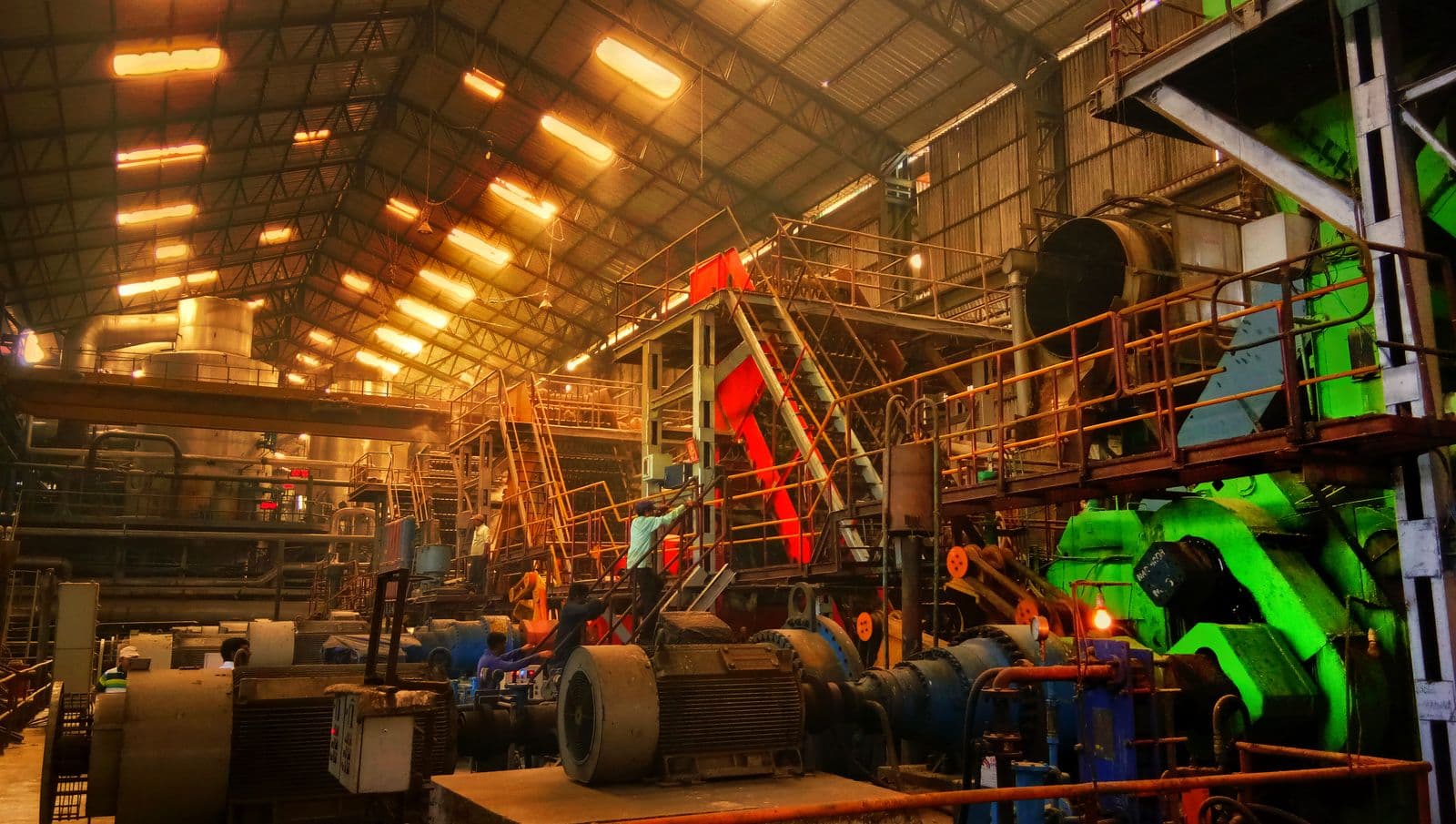
Suspension Seals
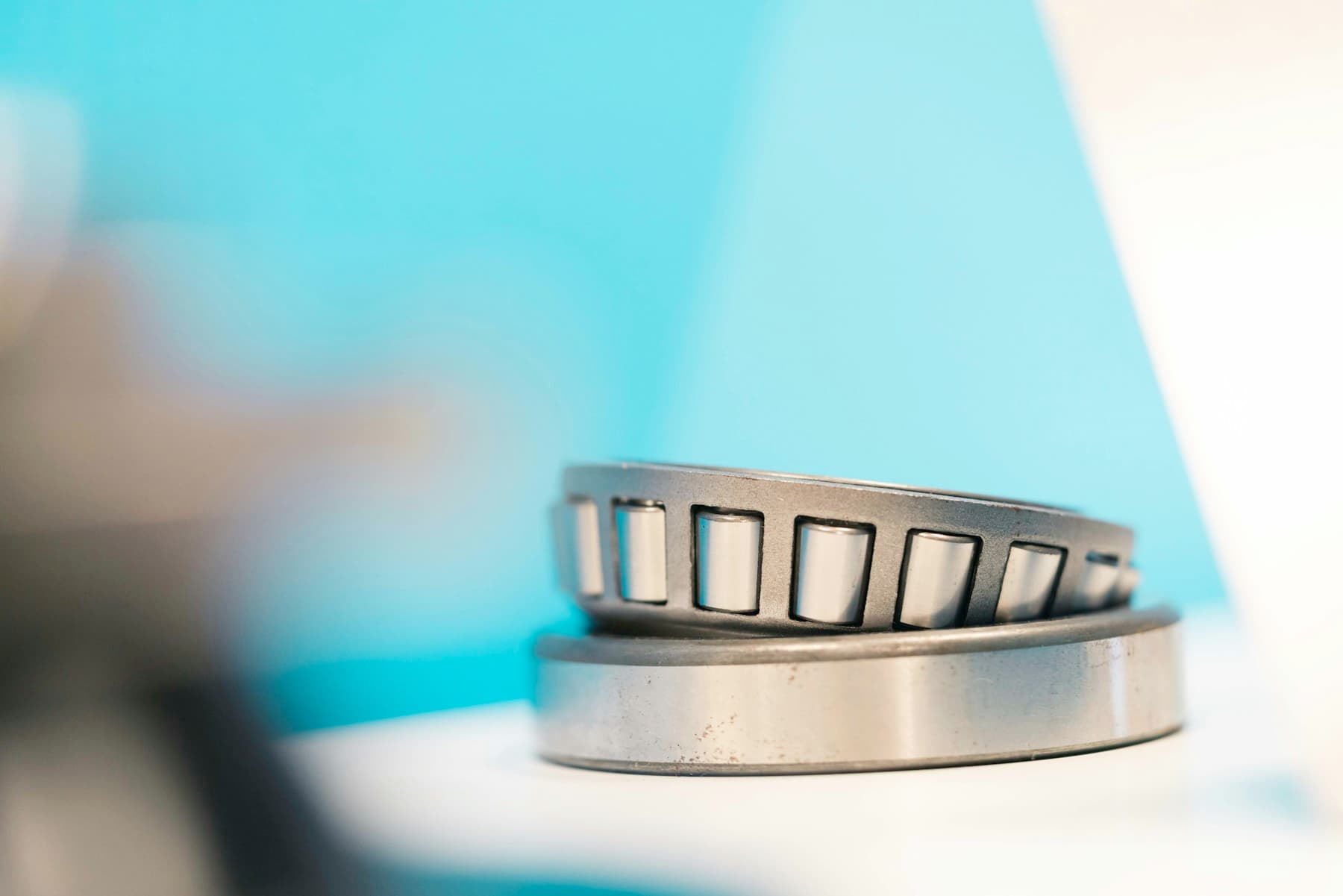
Rod and tube sealing for dampers, telescopic forks and struts. The group splits by what is being sealed: the oil seal that holds damping fluid and gas charge, and the wiper ahead of it that decides how long that oil seal survives. SES holds the range as an authorised SKF distributor, covering rod sizes About 8 mm to 60 mm across the group; materials NBR, PU, FKM, PTFE-faced; designs Rod seal, wiper, combined seal head; media Damping oil, fork oil, nitrogen charge. Executions include fork seals for motorcycles and bicycles, shock absorber seals, dust wipers and scrapers, combined rod seal and guide assemblies, among others. It is specified most often into truck and tipper cab and chassis dampers and bus suspension struts on works transport. Every part is genuine SKF through official channels, with designation, specification and options confirmed against your duty before it ships — supplied from Kolkata and our branch network, with breakdown cover that does not sit in an inbox.
Send an enquiry
Check Price & Availability.
Give us the size or the failed part — we reply on WhatsApp.
Trusted across Metals & Energy
Supplying India’s Industrial Names.
From integrated steel plants to power utilities and EPC majors — the works that cannot afford a counterfeit part specify through SES.













Motion
Reciprocating rod, high stroke rate
Pressure
Gas charge plus damping spikes
Enemy
Road grit dragged in on the rod
Always paired
Oil seal plus dust wiper
Where it runs.
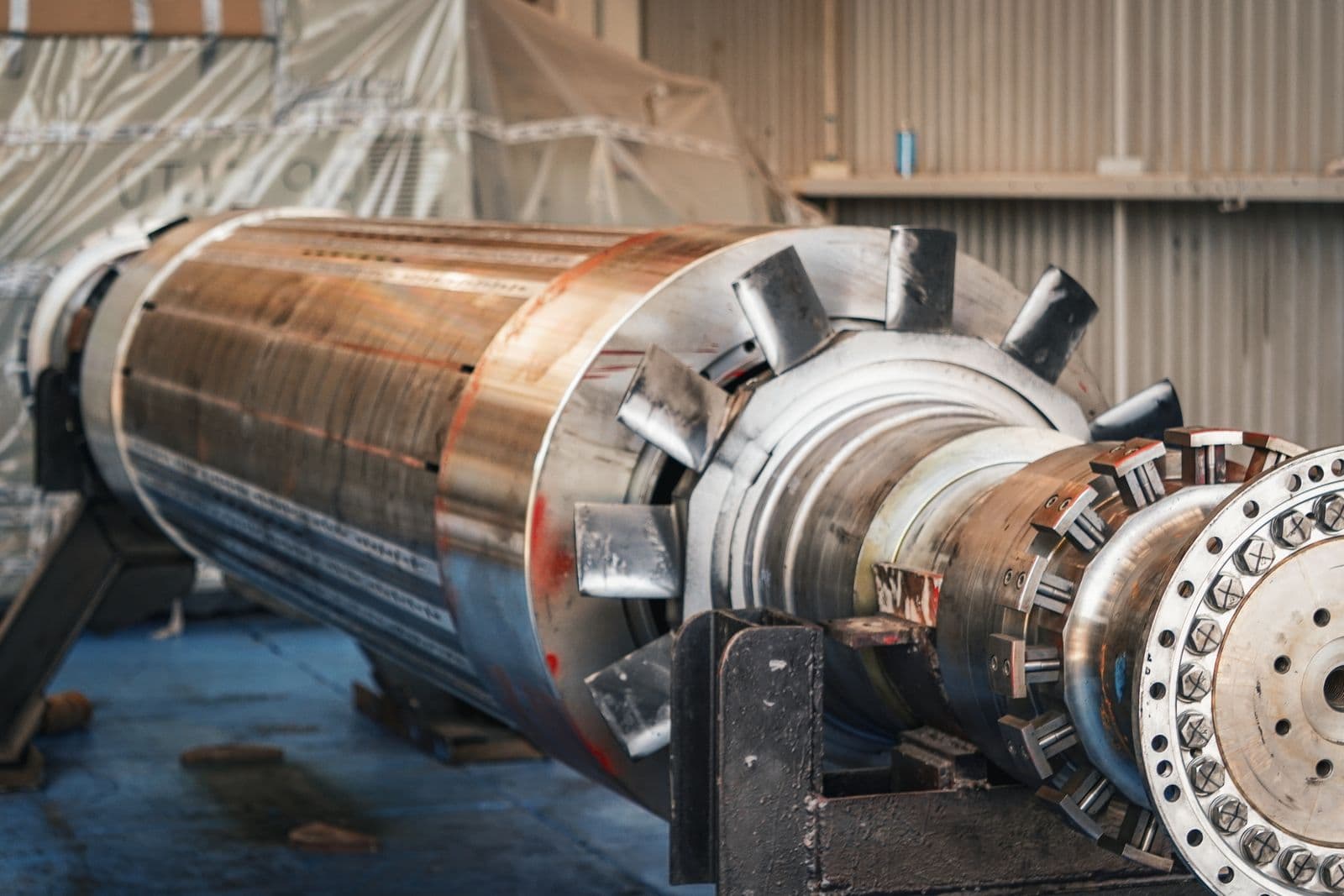
You will find Suspension Seals in the parts of a plant where this particular duty actually occurs. In practice that means truck and tipper cab and chassis dampers, bus suspension struts on works transport, motorcycle front forks and rear monoshocks, and equally off-highway and site vehicle suspension units, damper reconditioning benches in fleet workshops, bicycle suspension forks and rear shock units. What links them is the duty rather than the machine name — motion: Reciprocating rod, high stroke rate. If your installation is not on that list it matters less than you would think: the operating condition decides the specification. Send us the load, the speed, the running temperature and the environment it runs in, and we will match it to the right execution in the SKF range and confirm what is in stock.
Specify it against the duty.
Specification here follows the operating condition, not the catalogue. Vehicle works on unmade haul roads and site tracks — A double-lip wiper with a heavy interference. Grit that gets past the wiper is what scores the rod, and a scored rod destroys every seal fitted afterwards. Damper is gas charged rather than plain hydraulic — A rod seal rated for the static gas pressure, not a plain oil lip. A hydraulic-only lip lifts under gas pressure and the damper goes soft while still looking dry. Rod chrome is pitted or flaking anywhere in the stroke — A new rod or reconditioned chrome before a new seal. Fitting a seal to pitted chrome buys a few weeks at most. Where two of those apply at once, specify for the harsher of the two — under-specifying is what puts the part back on the bench a month later. Send us the duty and we will confirm the execution.
Ordering this from SES.
Buy the wiper and the oil seal together every time. Half the repeat leaks we see are a new oil seal fitted behind a hardened wiper that is still feeding grit onto the rod. Send the designation off the failed part and we will confirm the SKF equivalent and stock position.