
Track Pin Seals
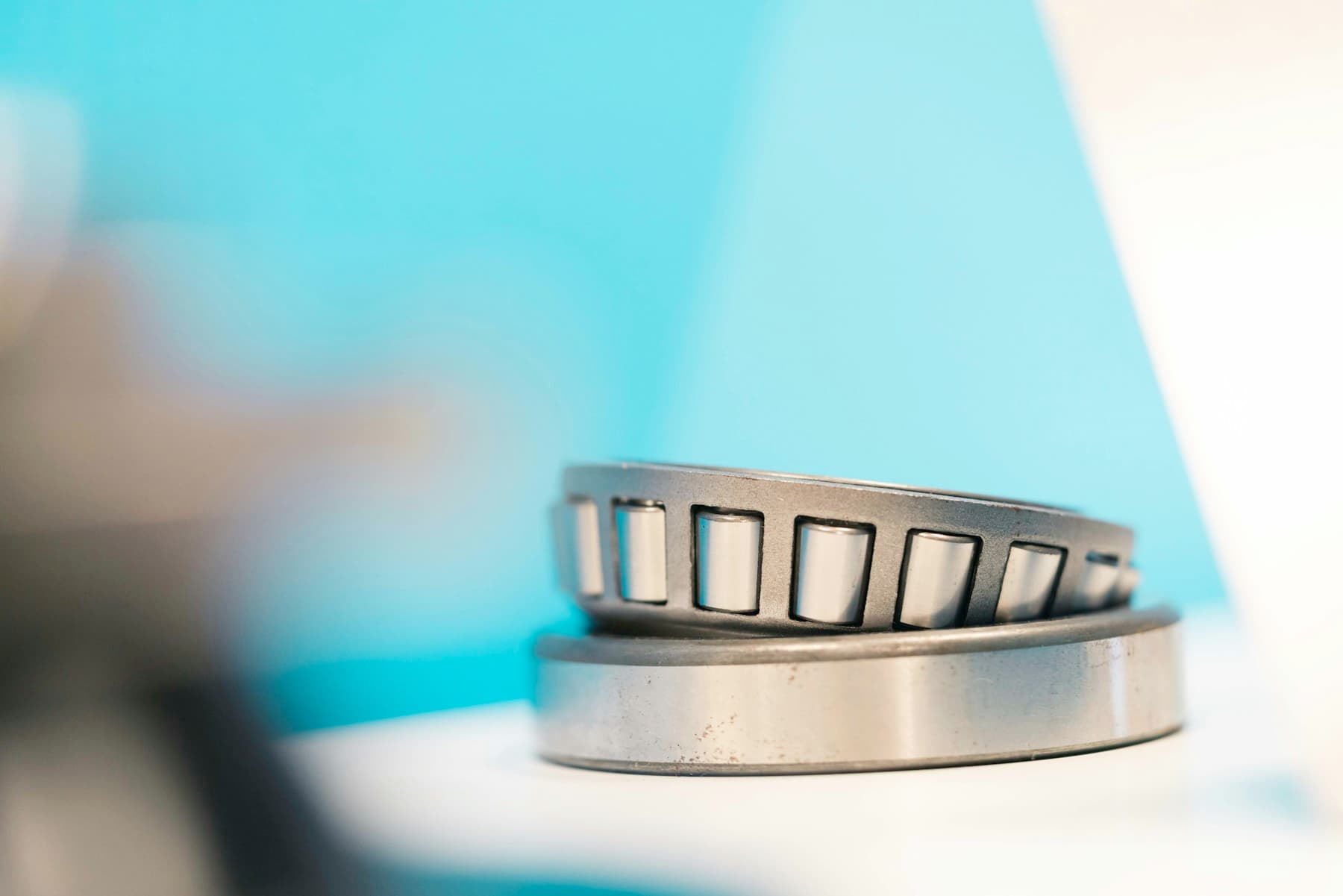
Seals for the pin and bushing joints of a crawler track chain. They hold the lubricant charge inside each joint and keep abrasive slurry out, which is what decides how long the undercarriage lasts. SES holds the range as an authorised SKF distributor, covering components Sealing element and elastomer load ring; materials Wear-resistant polymer face with nitrile or HNBR energiser; motion Oscillating, low speed, high contact pressure; lubricant Grease or oil charge retained in the pin bore. Executions include standard duty seal and load ring set, heavy abrasion execution, oil-filled joint execution, grease-filled joint execution. It is specified most often into crawler excavators and shovels in mine pits and track-mounted mobile crushers and screens in quarries. Every part is genuine SKF through official channels, with designation, specification and options confirmed against your duty before it ships — supplied from Kolkata and our branch network, with breakdown cover that does not sit in an inbox.
Send an enquiry
Check Price & Availability.
Give us the size or the failed part — we reply on WhatsApp.
Trusted across Metals & Energy
Supplying India’s Industrial Names.
From integrated steel plants to power utilities and EPC majors — the works that cannot afford a counterfeit part specify through SES.




















Position
Between link and bushing on each track joint
Build
Seal element plus load ring
Motion
Slow oscillation, high specific load
Environment
Abrasive slurry, rock dust, water
Where it runs.
You will find Track Pin Seals in the parts of a plant where this particular duty actually occurs. In practice that means crawler excavators and shovels in mine pits, track-mounted mobile crushers and screens in quarries, dozers working coal and ore stockyards, and equally pipelayers and heavy crawler cranes, track drills on overburden benches, crawler-mounted piling rigs on wet sites. What links them is the duty rather than the machine name — position: Between link and bushing on each track joint. If your installation is not on that list it matters less than you would think: the operating condition decides the specification. Send us the load, the speed, the running temperature and the environment it runs in, and we will match it to the right execution in the SKF range and confirm what is in stock.
Specify it against the duty.
Specification here follows the operating condition, not the catalogue. The machine works in wet, fine-grained tailings — A compound and load ring combination rated for the higher exclusion duty. Fine slurry finds any lip that has lost load and grinds the joint out from inside. Link bores show wear at the seal counterbore — Re-machine or replace the link before fitting. A fresh seal in a bell-mouthed counterbore never develops its designed face load. Joints are being rebuilt in a workshop press — Confirm the assembled end play against the manual figure. Over-pressing squeezes the load ring solid and the seal face burns on the first shift. Where two of those apply at once, specify for the harsher of the two — under-specifying is what puts the part back on the bench a month later. Send us the duty and we will confirm the execution.
Ordering this from SES.
Fit every joint on a chain with the same batch of seals and the same press setting. Mixed batches give uneven end play across the chain, and the tight joints run hot while the slack ones let slurry in.