
Water Pump Bearing Seals
Sealing for the shaft bearing unit in an engine coolant pump. It sits between hot coolant on one side and the belt drive on the other, and it must keep glycol away from the bearing grease for the life of the pump. SES holds the range as an authorised SKF distributor, covering position Water pump shaft bearing unit; media Coolant on one side, grease on the other; materials NBR, HNBR, FKM with carbon and ceramic faces in mechanical types; temperature Engine coolant range with heat soak margin. Executions include grease-side lip seals, coolant-side face seal arrangements, high-temperature elastomer executions, integrated water pump bearing unit seals. It is specified most often into diesel engine coolant pumps on trucks and tippers and generator set engines at plants and telecom sites. Every part is genuine SKF through official channels, with designation, specification and options confirmed against your duty before it ships — supplied from Kolkata and our branch network, with breakdown cover that does not sit in an inbox.
Send an enquiry
Check Price & Availability.
Give us the size or the failed part — we reply on WhatsApp.
Trusted across Metals & Energy
Supplying India’s Industrial Names.
From integrated steel plants to power utilities and EPC majors — the works that cannot afford a counterfeit part specify through SES.





















Medium
Water and glycol coolant, sometimes with inhibitors
Temperature
Sustained engine coolant heat
Bearing
Sealed shaft bearing unit, no re-greasing
Failure route
Coolant past the seal, then bearing seizure
Where it runs.
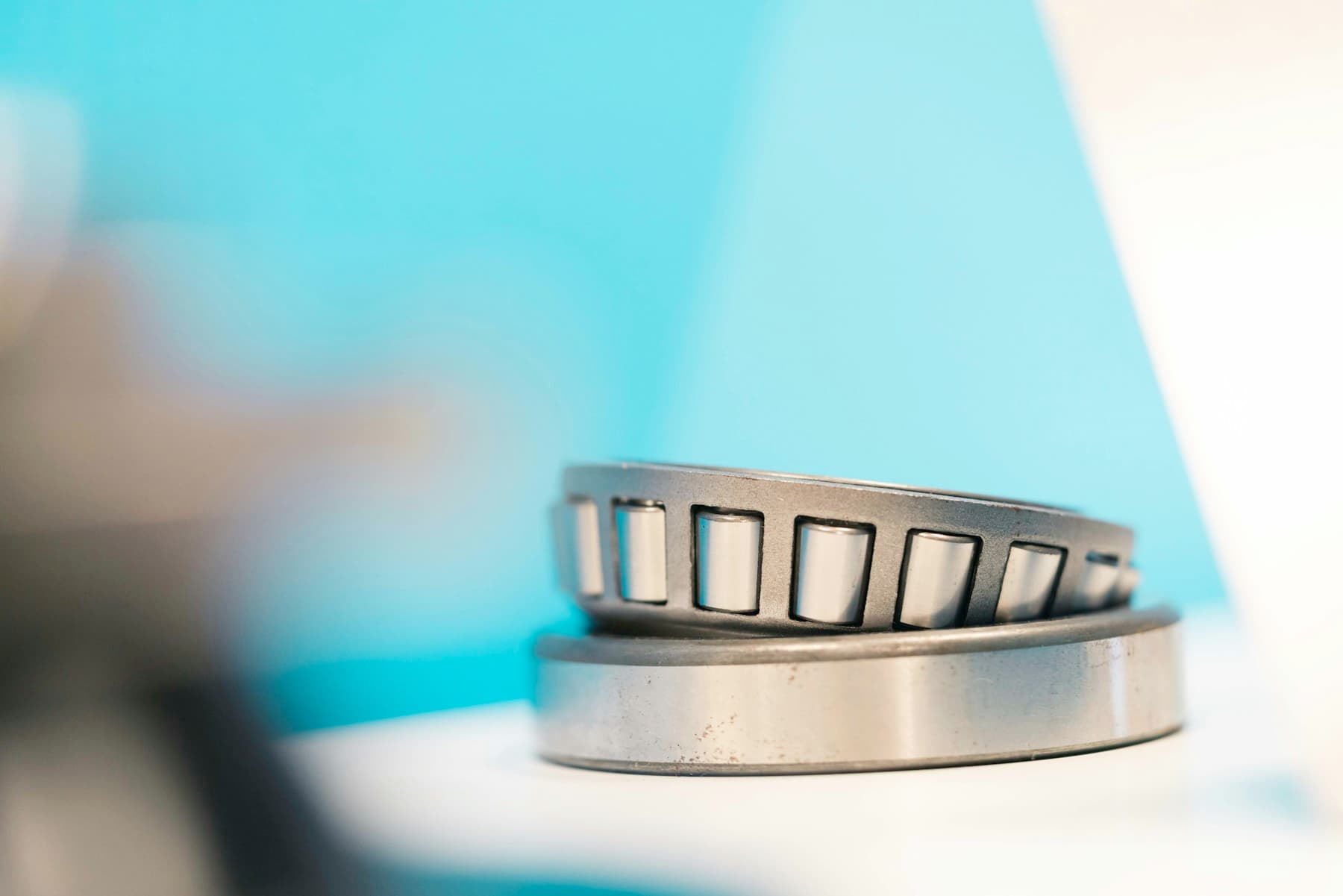
You will find Water Pump Bearing Seals in the parts of a plant where this particular duty actually occurs. In practice that means diesel engine coolant pumps on trucks and tippers, generator set engines at plants and telecom sites, off-highway engines in loaders and dozers, and equally tractor and pump-set engines in agro belts, marine and stationary auxiliary engines, bus and coach engine overhauls. What links them is the duty rather than the machine name — medium: Water and glycol coolant, sometimes with inhibitors. If your installation is not on that list it matters less than you would think: the operating condition decides the specification. Send us the load, the speed, the running temperature and the environment it runs in, and we will match it to the right execution in the SKF range and confirm what is in stock.
Specify it against the duty.
Specification here follows the operating condition, not the catalogue. Coolant chemistry is unknown or the system is topped up with raw water — A seal compound proven against glycol and inhibitor packages. Raw water with local minerals will scale the seal faces and open a leak path. The engine sees frequent hot shutdowns — A material rated above the peak soak temperature, not the running temperature. The worst heat the seal sees is after the engine stops. There is a weep hole and it shows staining — Change the unit now. That hole exists to warn you; once coolant is reaching the bearing side, the bearing has already started rusting. Where two of those apply at once, specify for the harsher of the two — under-specifying is what puts the part back on the bench a month later. Send us the duty and we will confirm the execution.
Ordering this from SES.
Flush the system before fitting a new pump. Old inhibitor sludge and casting sand left in the block go straight to the new seal face, and it will be weeping again long before the next service. Send the designation off the failed part and we will confirm the SKF equivalent and stock position.