
Wiper Seals
Wipers scrape dust, scale and water off the rod on the return stroke so it never reaches the rod seal. They carry no pressure — their whole job is keeping the contamination out of the cylinder. SES holds the range as an authorised SKF distributor, covering function Non-pressure exclusion device; types Single-lip, double-lip, metal-cased, snap-in; temperature PU to about +110 °C, NBR to about +100 °C, FKM to about +200 °C; housing Open or closed groove, ISO 6195 forms commonly used. Executions include single-lip wipers, double-lip wipers with sealing inner lip, metal-clad press-in wipers, snap-in wipers for closed grooves, among others. It is specified most often into tipper and dumper body hoist cylinders in an opencast mine and sinter plant and coke oven pusher machine cylinders. Every part is genuine SKF through official channels, with designation, specification and options confirmed against your duty before it ships — supplied from Kolkata and our branch network, with breakdown cover that does not sit in an inbox.
Send an enquiry
Check Price & Availability.
Give us the size or the failed part — we reply on WhatsApp.
Trusted across Metals & Energy
Supplying India’s Industrial Names.
From integrated steel plants to power utilities and EPC majors — the works that cannot afford a counterfeit part specify through SES.
















Duty
Contamination exclusion, atmosphere side
Lip form
Single, double or metal-clad
Materials
Polyurethane, NBR, FKM
Fitting
Snap-in or press-in housing
Where it runs.
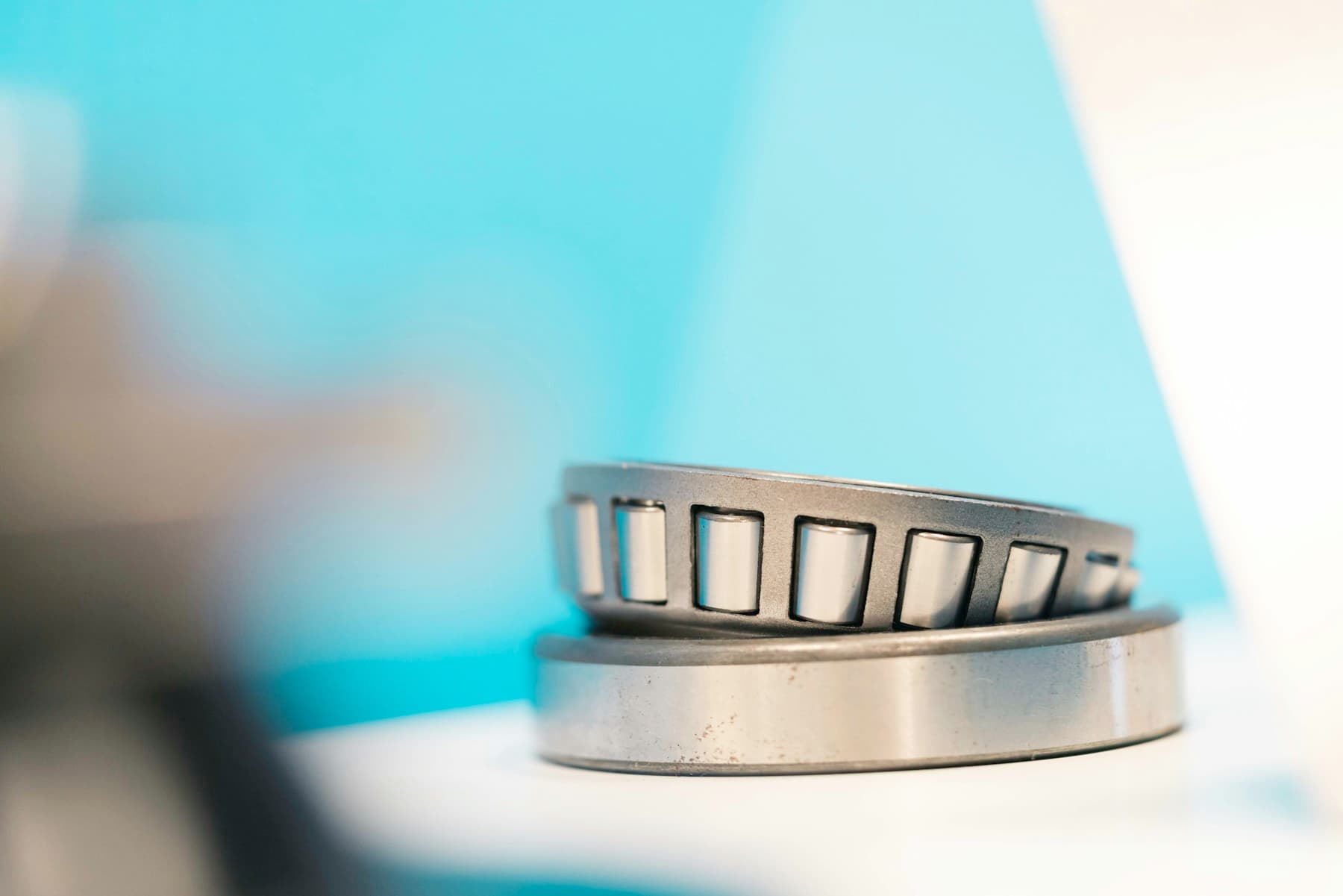
You will find Wiper Seals in the parts of a plant where this particular duty actually occurs. In practice that means tipper and dumper body hoist cylinders in an opencast mine, sinter plant and coke oven pusher machine cylinders, outdoor stacker-reclaimer luffing cylinders in a coal yard, and equally rolling mill screwdown and side guide cylinders, bagging and palletiser cylinders in a cement packing plant, sugar and paper mill hydraulic knife and doctor cylinders. What links them is the duty rather than the machine name — duty: Contamination exclusion, atmosphere side. If your installation is not on that list it matters less than you would think: the operating condition decides the specification. Send us the load, the speed, the running temperature and the environment it runs in, and we will match it to the right execution in the SKF range and confirm what is in stock.
Specify it against the duty.
Specification here follows the operating condition, not the catalogue. Rod is exposed to weather and the machine sits idle for days — A double-lip wiper. The inner lip keeps the oil film in place; a single-lip wiper drags in rain that then sits behind the rod seal and rusts the bore. Airborne mill scale, grinding grit or welding spatter is present — A metal-clad wiper with a stiff outer case. A soft snap-in wiper gets pushed out of its groove once particles pack behind it. Radiant heat from a furnace or hot strand reaches the gland — FKM lip material. Polyurethane hardens, loses lip contact and starts polishing the rod instead of wiping it. Where two of those apply at once, specify for the harsher of the two — under-specifying is what puts the part back on the bench a month later. Send us the duty and we will confirm the execution.
Ordering this from SES.
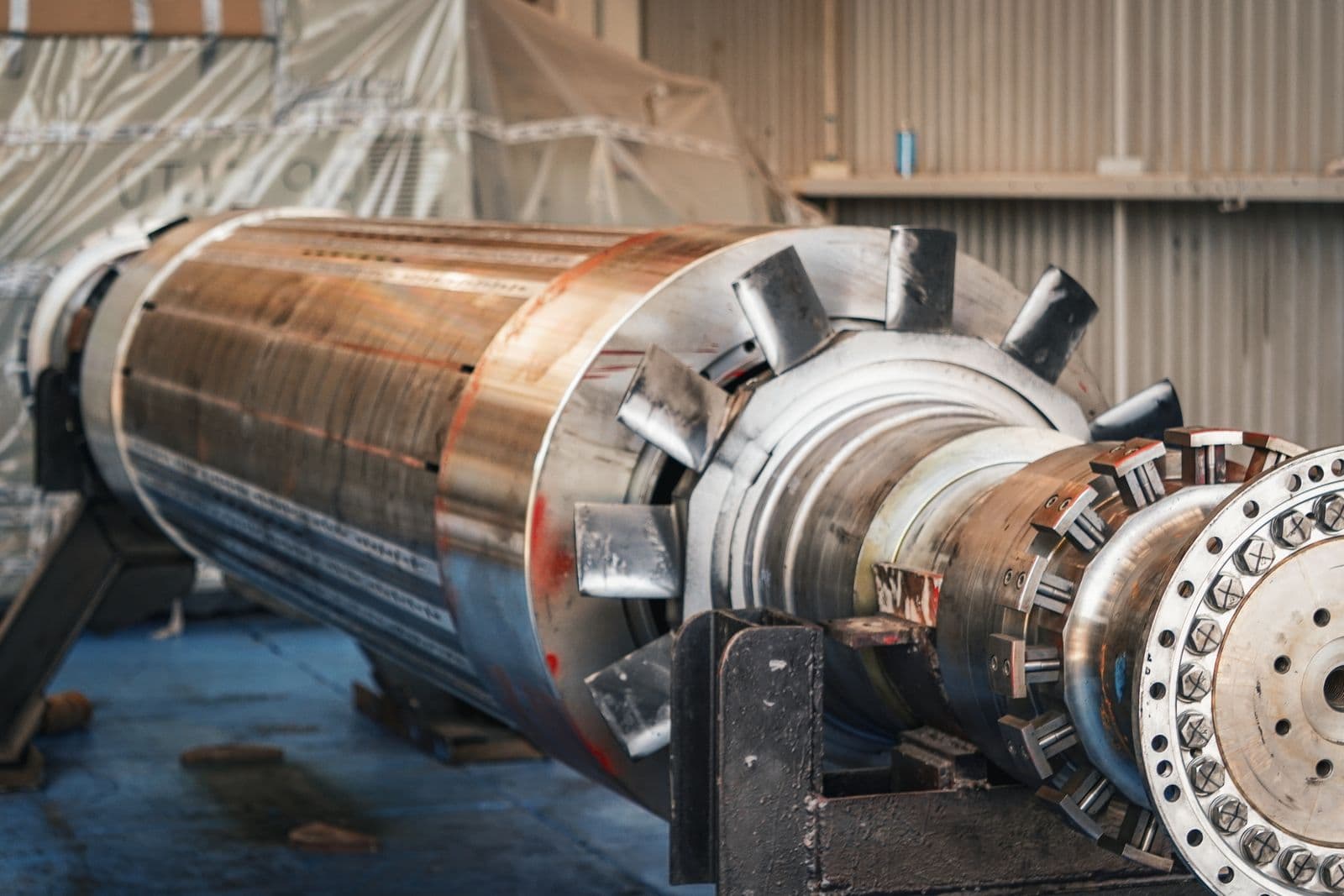
When a rod seal fails early and repeatedly, replace the wiper as well. A worn wiper feeds abrasive straight into the rod seal, so a rod seal on its own is money spent twice. Send the designation off the failed part and we will confirm the SKF equivalent and stock position.