
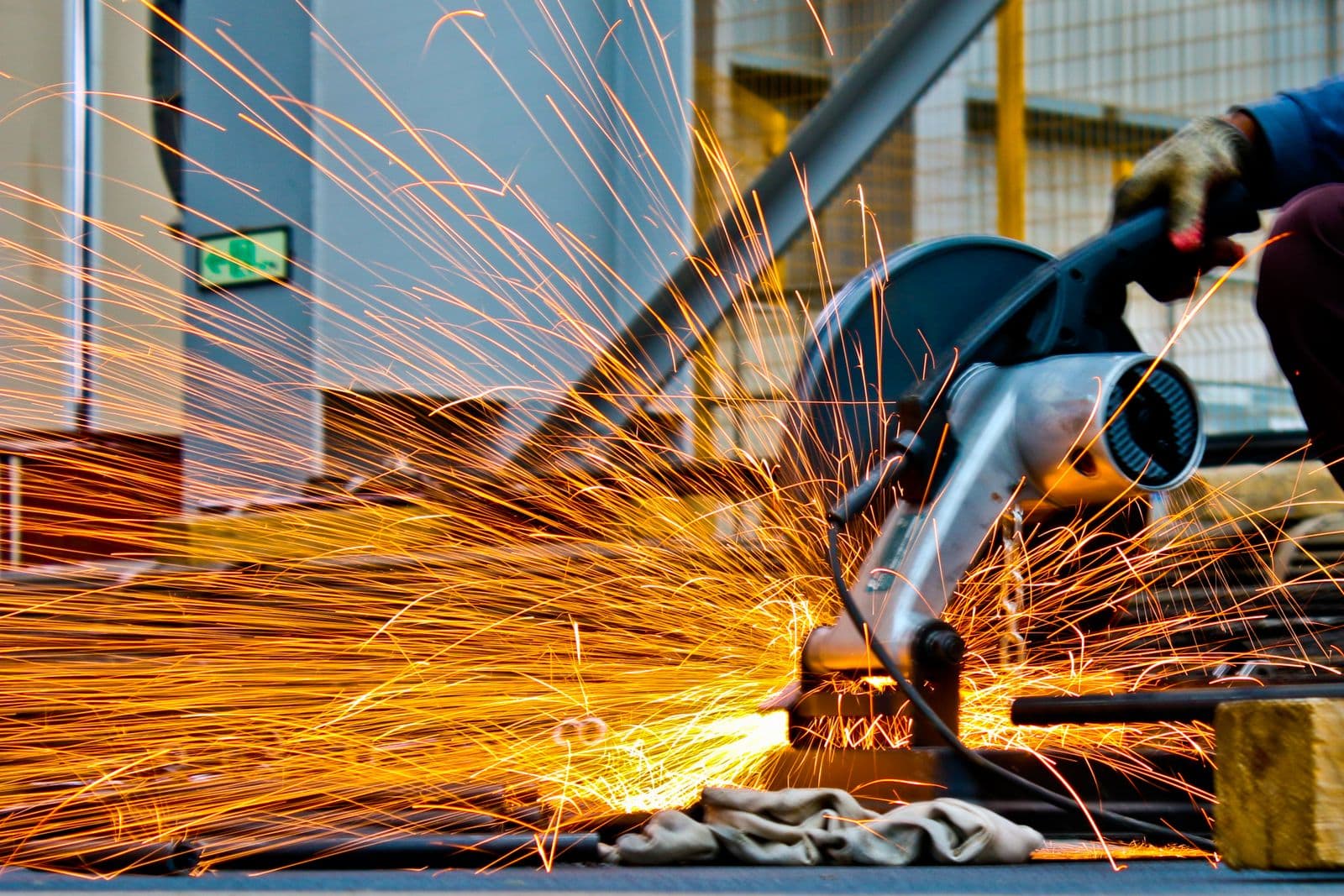
Abrasive Belts
Coated abrasive on a jointed cloth loop, running over a contact wheel or platen. Belts take metal off quickly and leave a straight, controllable grain, which is why stainless fabricators live on them. SES holds the range as an authorised Tyrolit distributor, covering grains Aluminium oxide, zirconia, ceramic, silicon carbide; backings Cotton and polyester cloth in light to heavy weights; grit range P24 through to fine finishing grits; joints Butt or lap joint with direction arrow. Executions include zirconia belts, ceramic grain belts, aluminium oxide belts, silicon carbide belts, among others. It is specified most often into linishing weld seams on stainless vessels and fettling castings on a swing-frame machine in a foundry. Every part is genuine Tyrolit through official channels, with designation, specification and options confirmed against your duty before it ships — supplied from Kolkata and our branch network, with breakdown cover that does not sit in an inbox.
Send an enquiry
Check Price & Availability.
Give us the size or the failed part — we reply on WhatsApp.
Trusted across Metals & Energy
Supplying India’s Industrial Names.
From integrated steel plants to power utilities and EPC majors — the works that cannot afford a counterfeit part specify through SES.

















Grains
Zirconia, ceramic, aluminium oxide
Backing
Cloth in several weights
Joint
Direction marked on the back
Machines
Belt, file and tube sanders
Where it runs.
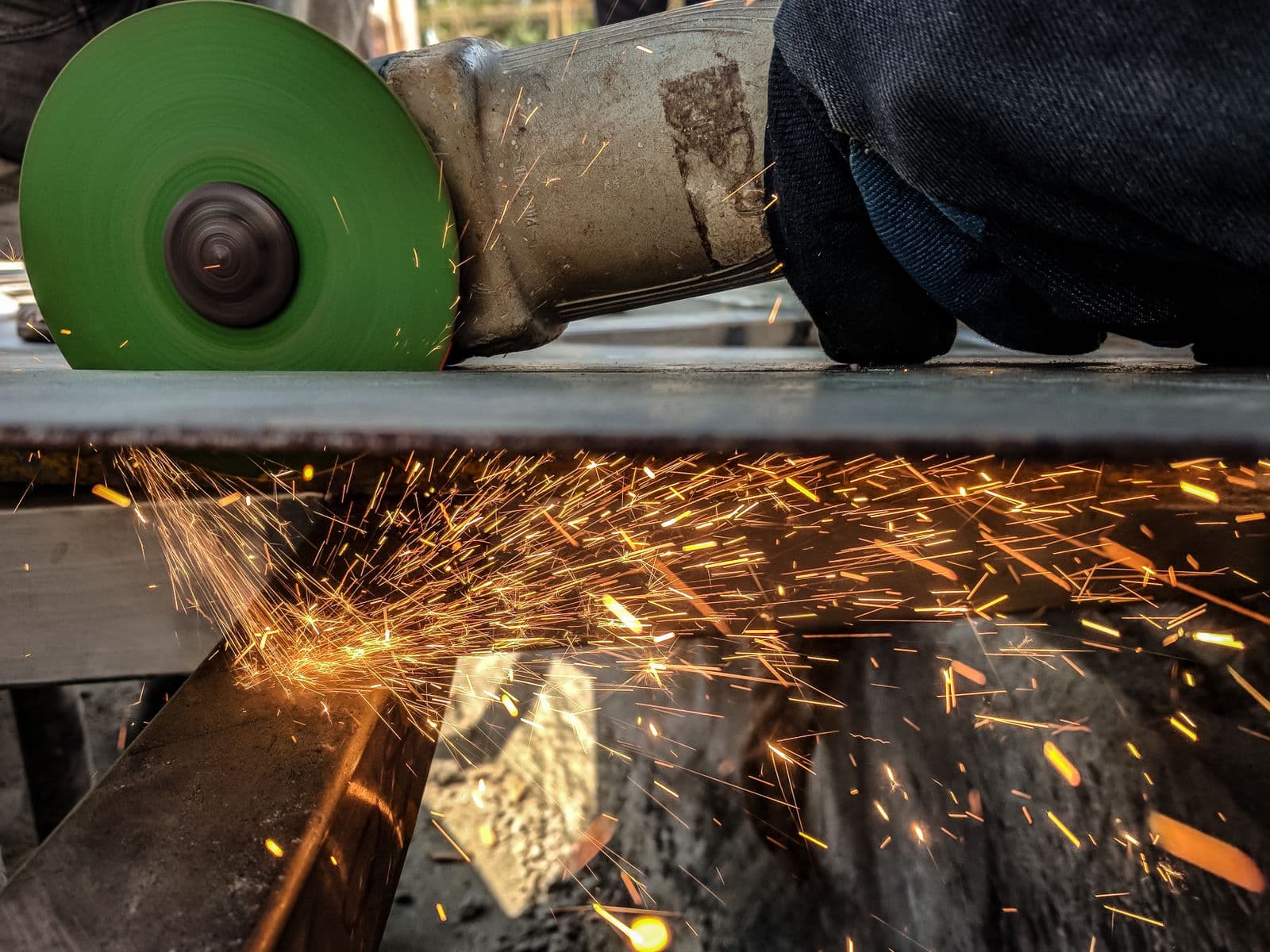
You will find Abrasive Belts in the parts of a plant where this particular duty actually occurs. In practice that means linishing weld seams on stainless vessels, fettling castings on a swing-frame machine in a foundry, grinding rail ends and welds in a railway workshop, and equally deburring flame-cut and laser-cut plate edges, finishing tube on a pipe belt sander in a handrail shop, blending propeller and shaft repairs in a marine workshop. What links them is the duty rather than the machine name — grains: Zirconia, ceramic, aluminium oxide. If your installation is not on that list it matters less than you would think: the operating condition decides the specification. Send us the load, the speed, the running temperature and the environment it runs in, and we will match it to the right execution in the Tyrolit range and confirm what is in stock.
Specify it against the duty.
Specification here follows the operating condition, not the catalogue. Hard-facing, hardened steel or very high removal rates — Ceramic grain on a heavy cloth backing. Aluminium oxide dulls fast, the operator compensates with pressure, and the pressure cooks the belt. Belt keeps tracking off the contact wheel — Check the crown on the wheel and the platen before changing belt specification. A worn crown throws every belt off and no belt will fix it. Flexible work over a contoured surface — A lighter, more flexible backing so the belt follows the shape. Heavy cloth bridges the contour and grinds flats into it. Where two of those apply at once, specify for the harsher of the two — under-specifying is what puts the part back on the bench a month later. Send us the duty and we will confirm the execution.
Ordering this from SES.
Let belts sit at workshop temperature for a day before use. A cold belt taken straight off a store van is stiff, the joint cracks on the first pass, and the belt gets blamed. Hang them; never stack them flat.