
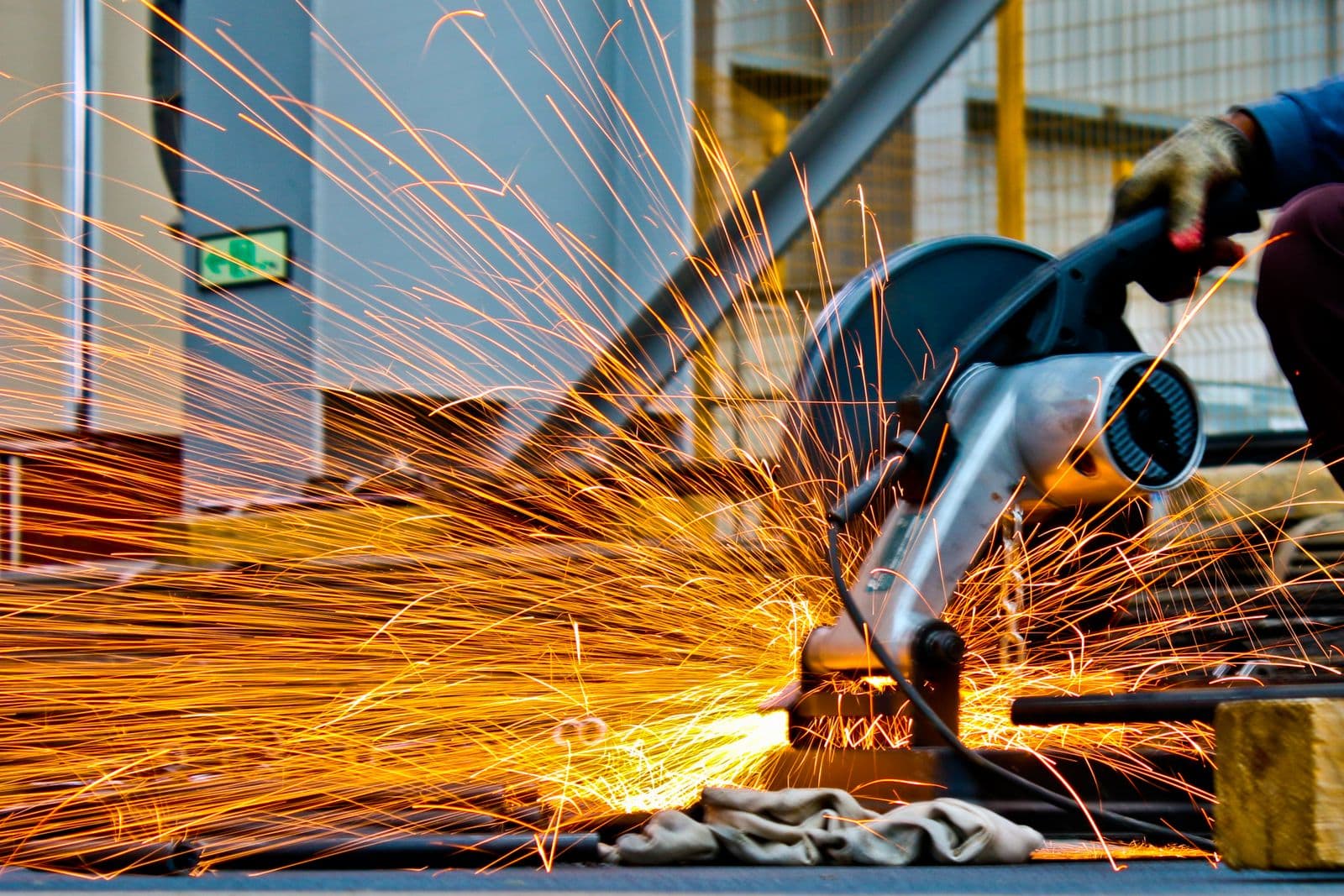
Automatic Fettling
Wheels for robot cells and automatic snagging lines, where contact pressure is set by the machine and never varies. Bond behaviour has to stay predictable across the whole life of the wheel, because the programme compensates for wear by a fixed rule. SES holds the range as an authorised Tyrolit distributor, covering wheel diameters 125 mm to 400 mm typical; grain Zirconia alumina and ceramic; bond Reinforced resinoid for high contact pressure; speeds 63 and 80 m/s grades. Executions include depressed centre wheels for robot cells, cup wheels for automatic snagging, cylinder wheels for flat pad grinding, ceramic grain wheels for short cycle times. It is specified most often into robot grinding cells in automotive casting foundries and automatic snagging lines for SG iron components. Every part is genuine Tyrolit through official channels, with designation, specification and options confirmed against your duty before it ships — supplied from Kolkata and our branch network, with breakdown cover that does not sit in an inbox.
Send an enquiry
Check Price & Availability.
Give us the size or the failed part — we reply on WhatsApp.
Trusted across Metals & Energy
Supplying India’s Industrial Names.
From integrated steel plants to power utilities and EPC majors — the works that cannot afford a counterfeit part specify through SES.





















Control
Constant force or constant infeed
Priority
Predictable wear rate
Wheels
Depressed centre, cup, cylinder
Duty
Continuous production
Where it runs.
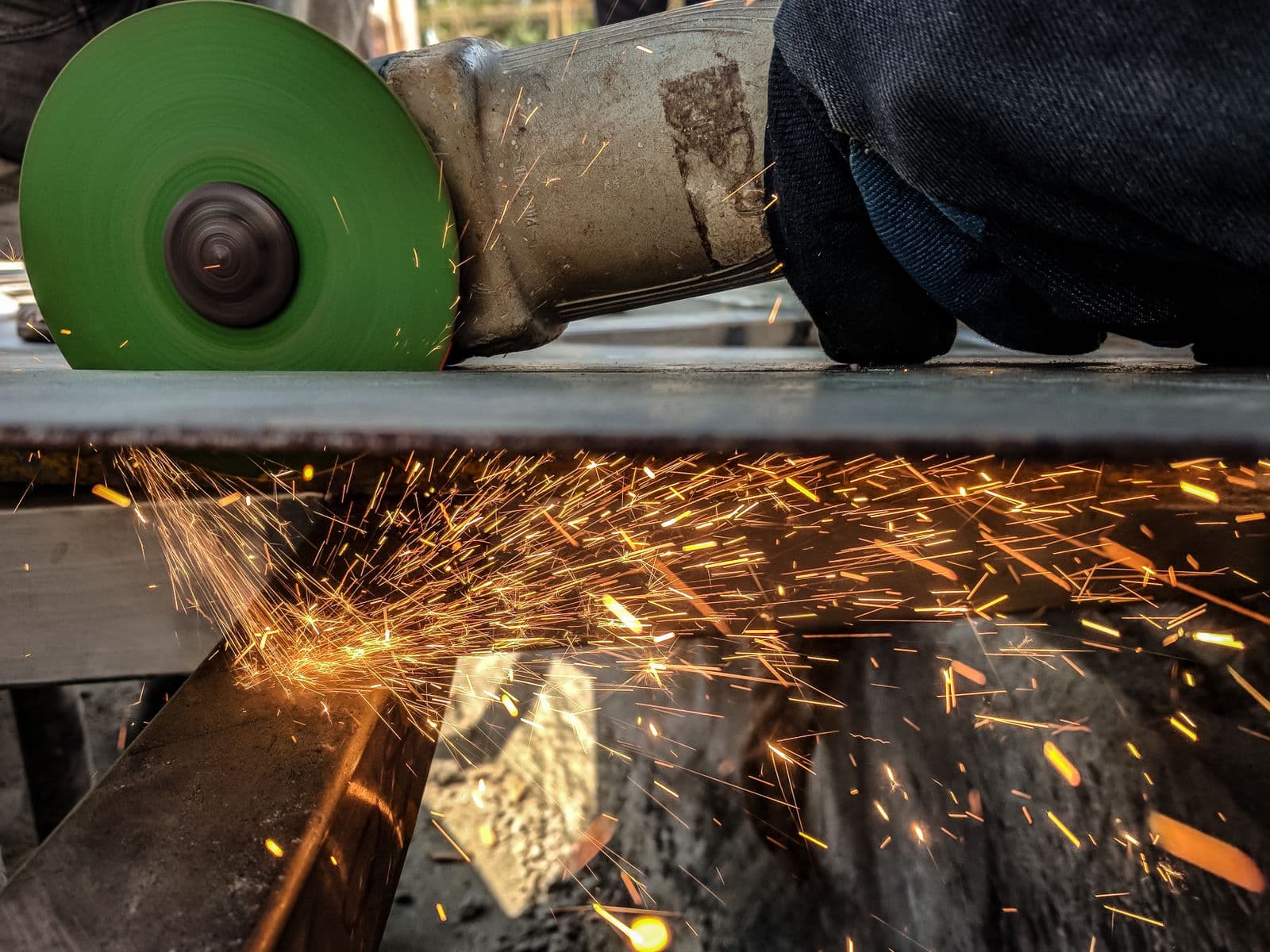
You will find Automatic Fettling in the parts of a plant where this particular duty actually occurs. In practice that means robot grinding cells in automotive casting foundries, automatic snagging lines for SG iron components, cells dressing valve and pump body castings, and equally automated grinding of cast steel wear parts, deburring lines for machined housings. What links them is the duty rather than the machine name — control: Constant force or constant infeed. If your installation is not on that list it matters less than you would think: the operating condition decides the specification. Send us the load, the speed, the running temperature and the environment it runs in, and we will match it to the right execution in the Tyrolit range and confirm what is in stock.
Specify it against the duty.
Specification here follows the operating condition, not the catalogue. The cell runs on constant force control — A wheel with a steady removal rate through its life. If removal falls as the wheel wears, cycle time creeps up and the cell drops behind the moulding line. The cell runs on constant infeed control — A wheel with high form retention. Infeed control assumes the wheel keeps its shape, and a wheel that rounds off leaves stock in the corners. Cycle time must come down without changing the robot — Ceramic grain before anything else. It cuts cool at high pressure, which is exactly what a cell delivers and a hand operator cannot. Where two of those apply at once, specify for the harsher of the two — under-specifying is what puts the part back on the bench a month later. Send us the duty and we will confirm the execution.
Ordering this from SES.
Change the wheel specification and the robot programme in the same session, then requalify the first castings off the cell. Cells get tuned around one wheel, and a like-for-like substitution from a different grade will quietly put parts out of tolerance.