
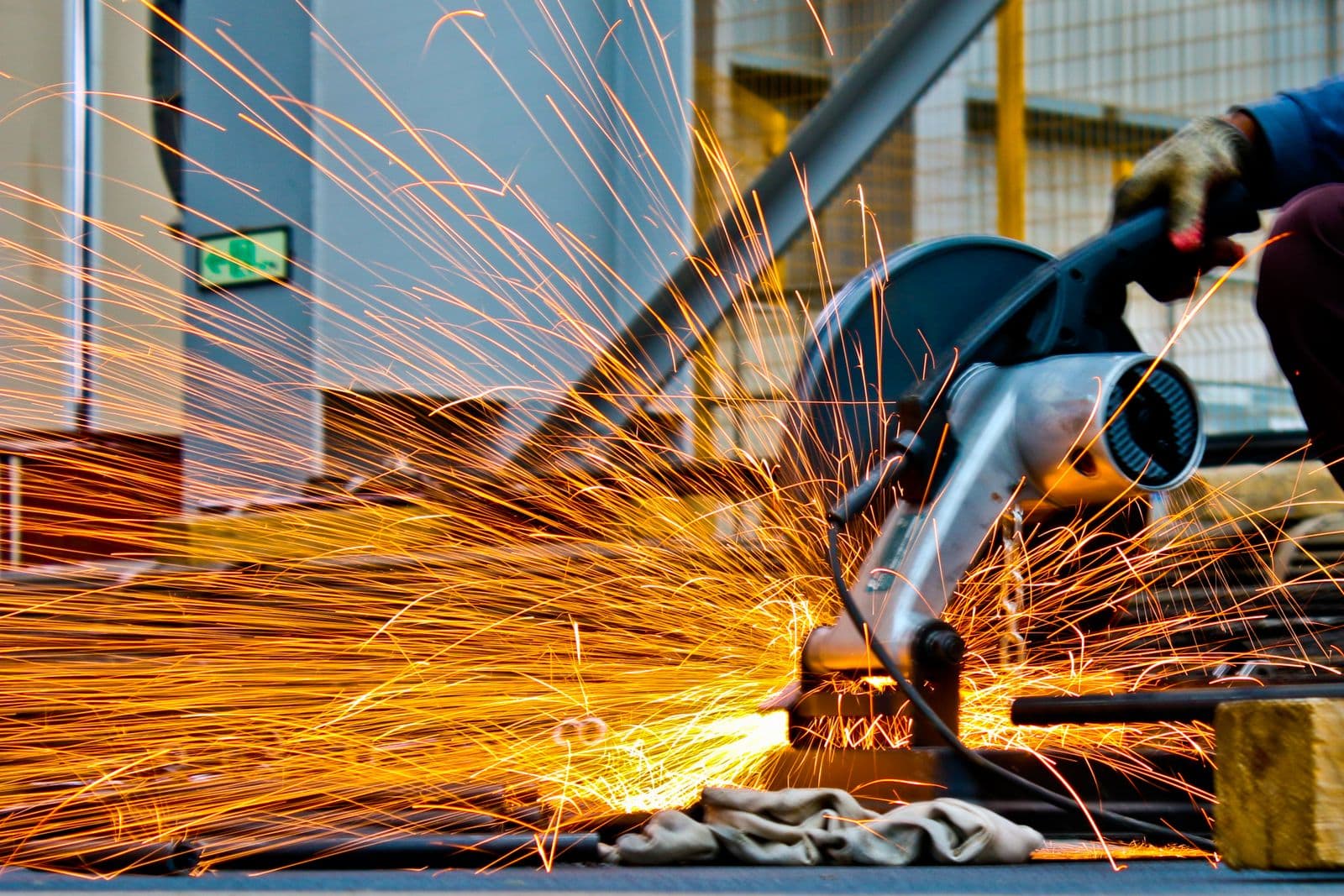
Bristle Brushes
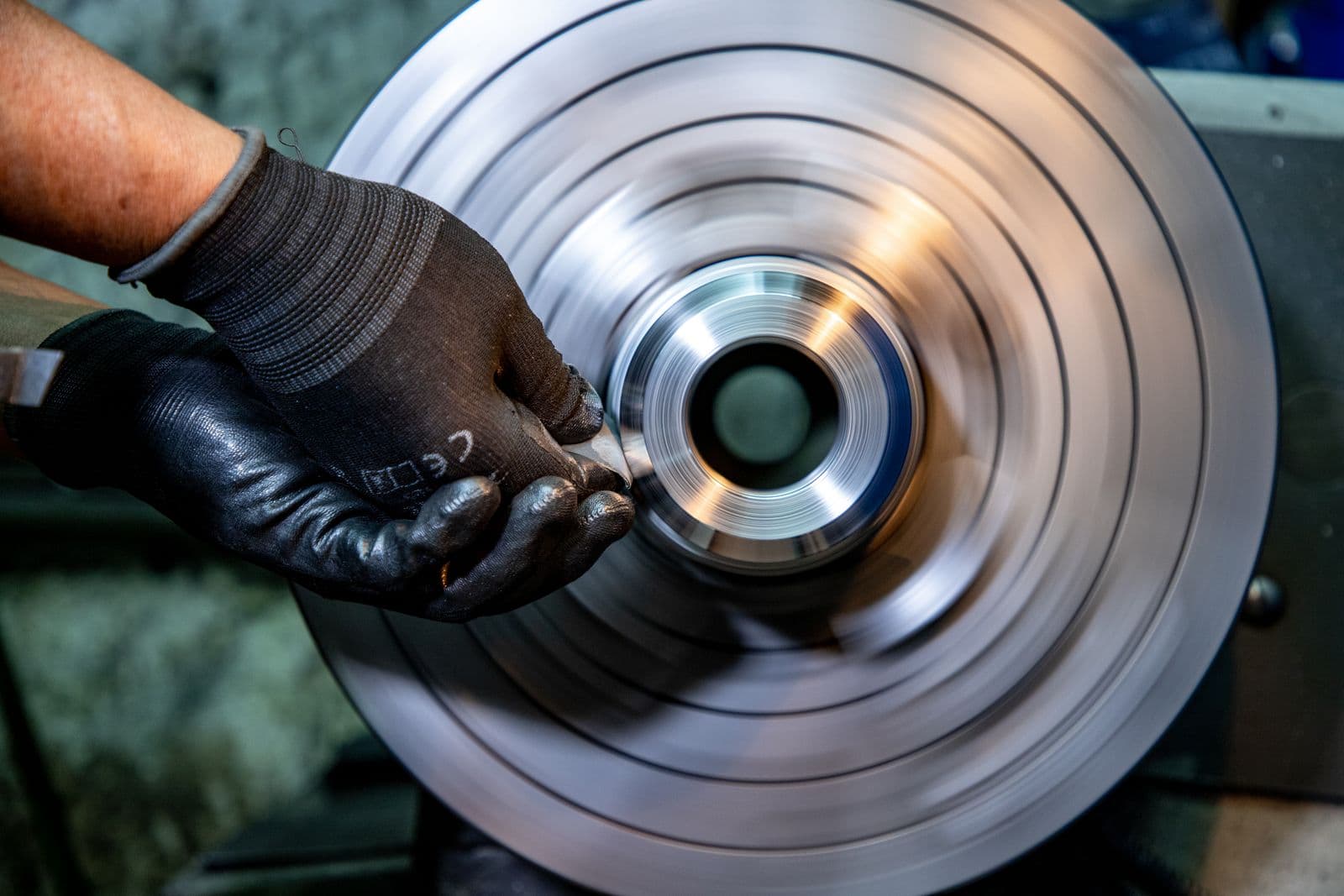
Nylon filaments loaded with abrasive grain, moulded into discs, cups or cylinders. Each filament behaves as a flexible file cutting at its tip, so the brush follows contours and lifts burrs and discolouration without touching the underlying dimension. SES holds the range as an authorised Tyrolit distributor, covering diameters 20 mm to 200 mm by form; grits Coarse 46 through to fine 600 equivalent; grain Silicon carbide, aluminium oxide, ceramic; mountings 6 mm shank, M14 thread, plain bore. Executions include disc brushes for flat deburring, cup brushes for weld cleaning, cylinder brushes for bores, end brushes for pockets and slots, among others. It is specified most often into deburring machined faces on pump and valve bodies and cleaning weld discolouration from stainless pipework. Every part is genuine Tyrolit through official channels, with designation, specification and options confirmed against your duty before it ships — supplied from Kolkata and our branch network, with breakdown cover that does not sit in an inbox.
Send an enquiry
Check Price & Availability.
Give us the size or the failed part — we reply on WhatsApp.
Trusted across Metals & Energy
Supplying India’s Industrial Names.
From integrated steel plants to power utilities and EPC majors — the works that cannot afford a counterfeit part specify through SES.













Filament
Nylon with embedded abrasive grain
Cutting
At the filament tip only
Forms
Disc, cup, wheel, end brush
Effect
Deburr and clean, no dimensional change
Where it runs.
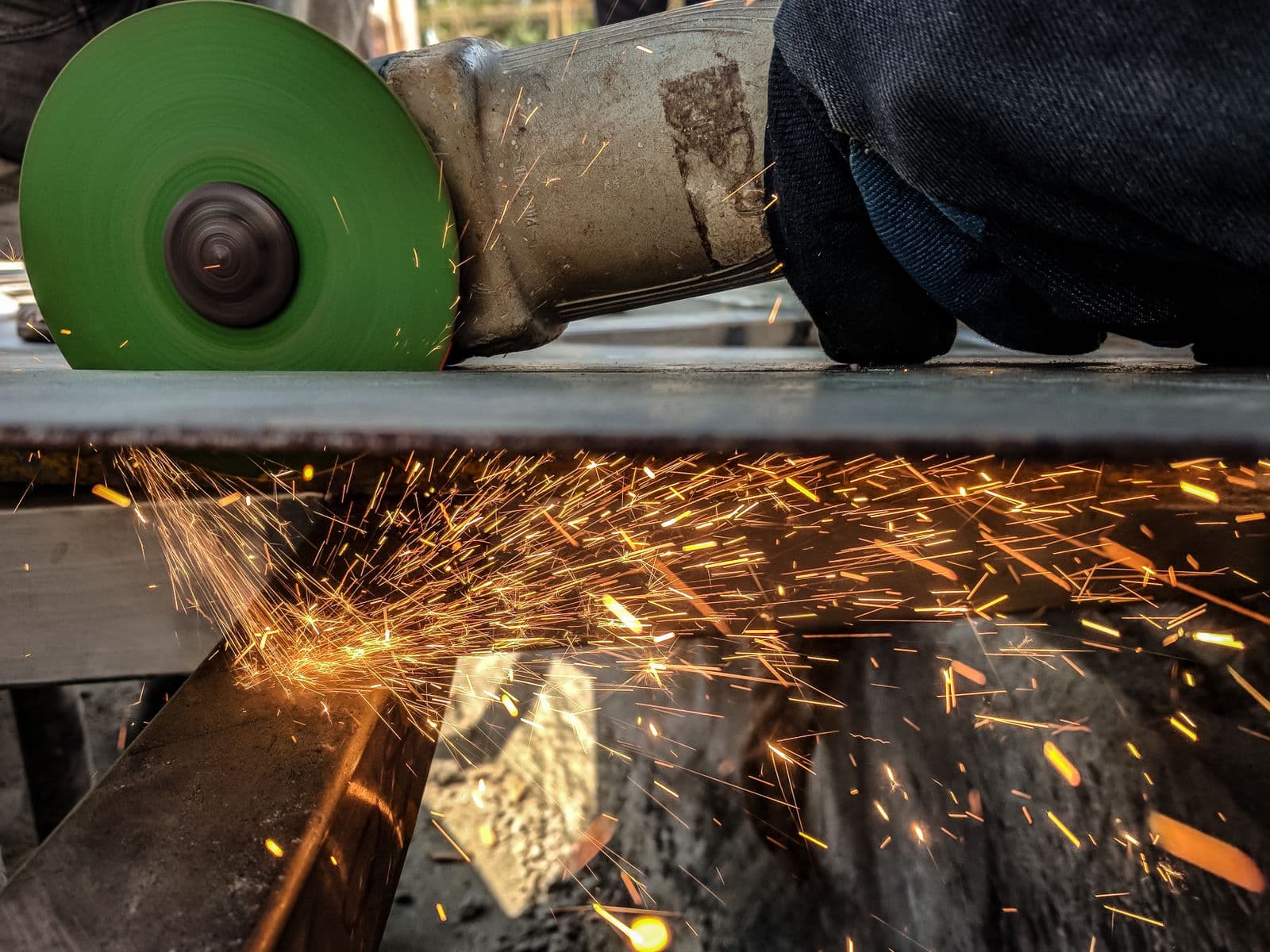
You will find Bristle Brushes in the parts of a plant where this particular duty actually occurs. In practice that means deburring machined faces on pump and valve bodies, cleaning weld discolouration from stainless pipework, edge blending on laser and plasma cut plate, and equally removing rust and scale from tooling and fixtures, cleaning die faces between production runs, preparing weld areas before non-destructive testing. What links them is the duty rather than the machine name — filament: Nylon with embedded abrasive grain. If your installation is not on that list it matters less than you would think: the operating condition decides the specification. Send us the load, the speed, the running temperature and the environment it runs in, and we will match it to the right execution in the Tyrolit range and confirm what is in stock.
Specify it against the duty.
Specification here follows the operating condition, not the catalogue. Burrs are heavy but the edge profile must be preserved — A coarse silicon carbide filament brush at moderate speed. A grinding wheel would take the profile away along with the burr. Working on stainless steel that must not pick up iron — A brush with non-metallic filaments carrying abrasive grain only. Wire brushes leave carbon steel embedded, and the surface rusts within a week in humid coastal air. The brush is polishing rather than cutting — A lower spindle speed. Filaments laid flat by excess speed rub with their sides, and only the tips actually cut. Where two of those apply at once, specify for the harsher of the two — under-specifying is what puts the part back on the bench a month later. Send us the duty and we will confirm the execution.
Ordering this from SES.
New brushes cut poorly for the first minute until the filament tips break in, so do that on a scrap piece rather than on the job. Never trim the filaments to stiffen an old brush either — trimmed ends burnish, they do not cut.