
Circular Brushes
Wire or filament brushes in wheel form, run on angle grinders, straight grinders and bench machines. They work on the edge of the fill, which suits seams, edges and long continuous runs. SES holds the range as an authorised Tyrolit distributor, covering diameters Roughly 50 mm to 250 mm; fill materials Carbon steel, stainless steel, brass, abrasive nylon; wire gauges Fine through to heavy gauge; constructions Crimped, knotted, twist-knot, encapsulated. Executions include crimped wire circular brushes, knotted wire circular brushes, twist-knot wheel brushes, stainless steel circular brushes, among others. It is specified most often into cleaning weld beads between passes and descaling bar and section on a bench machine. Every part is genuine Tyrolit through official channels, with designation, specification and options confirmed against your duty before it ships — supplied from Kolkata and our branch network, with breakdown cover that does not sit in an inbox.
Send an enquiry
Check Price & Availability.
Give us the size or the failed part — we reply on WhatsApp.
Trusted across Metals & Energy
Supplying India’s Industrial Names.
From integrated steel plants to power utilities and EPC majors — the works that cannot afford a counterfeit part specify through SES.





















Working face
Wheel edge
Fill types
Crimped wire, knotted wire, abrasive filament
Fitment
Plain bore with bushes, or threaded arbor
Best at
Seams, edges, continuous runs
Where it runs.
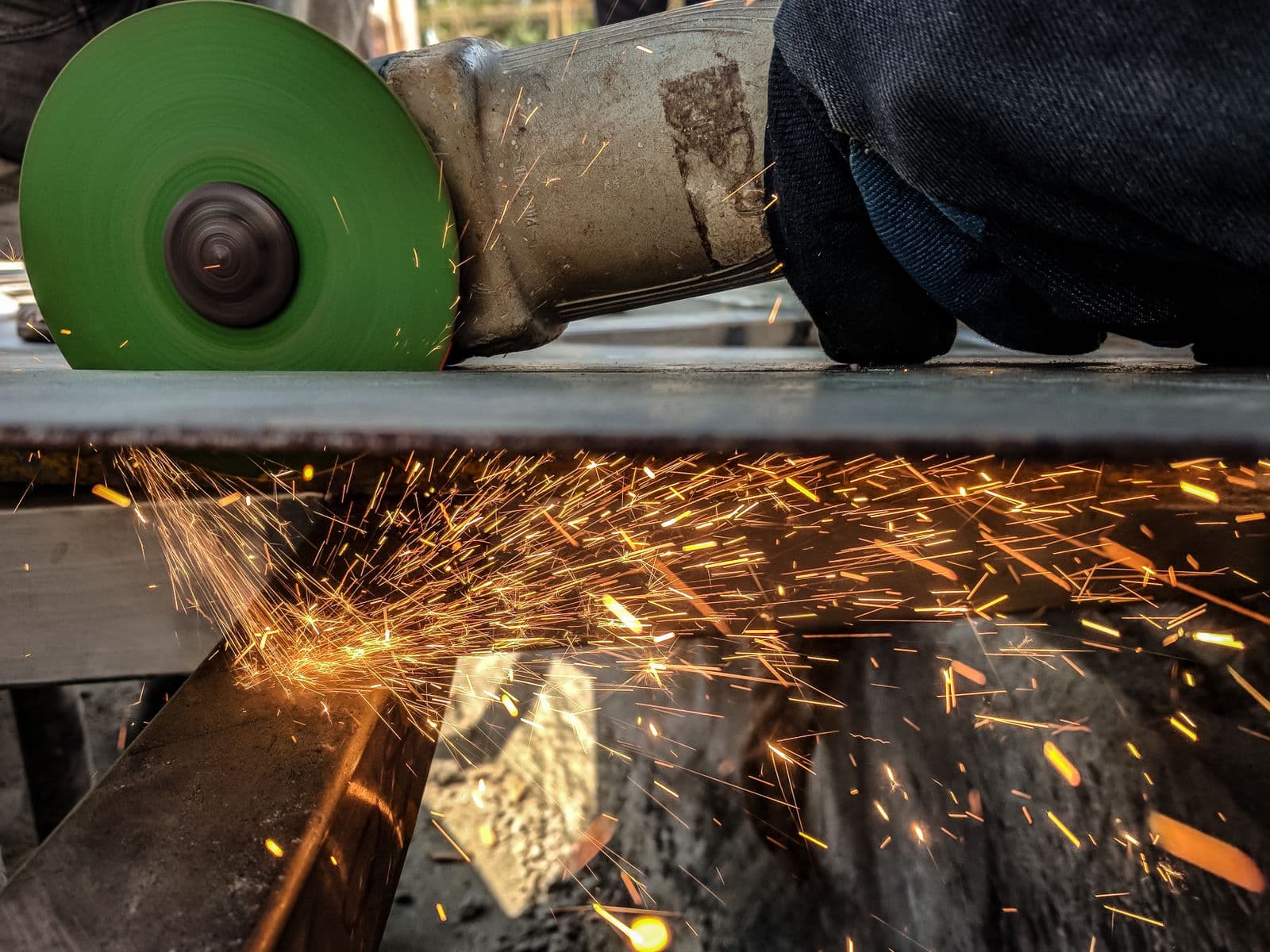
You will find Circular Brushes in the parts of a plant where this particular duty actually occurs. In practice that means cleaning weld beads between passes, descaling bar and section on a bench machine, removing rust from structural steel before painting, and equally deburring the edges of laser and plasma-cut plate, cleaning threads and shaft seats during overhaul, bench cleaning of small fabricated parts. What links them is the duty rather than the machine name — working face: Wheel edge. If your installation is not on that list it matters less than you would think: the operating condition decides the specification. Send us the load, the speed, the running temperature and the environment it runs in, and we will match it to the right execution in the Tyrolit range and confirm what is in stock.
Specify it against the duty.
Specification here follows the operating condition, not the catalogue. Heavy mill scale or thick rust — Knotted wire fill, which is stiff and strikes hard. Crimped wire flexes away from heavy scale and merely polishes it. Light cleaning where the surface must not be scratched — Fine crimped wire or abrasive nylon filament. Knotted wire leaves a texture you then have to blend out again. Brush shedding wires into the work area — A brush rated above machine speed, and a look at operating pressure. Overspeed and over-pressure are the two causes of wire throw, and both are avoidable. Where two of those apply at once, specify for the harsher of the two — under-specifying is what puts the part back on the bench a month later. Send us the duty and we will confirm the execution.
Ordering this from SES.
Run a wire brush so the wire tips trail, and keep the pressure light. Pushing hard bends the wire over so it rubs on its side, which cleans nothing and breaks the fill off at the root. Send the designation off the failed part and we will confirm the Tyrolit equivalent and stock position.