
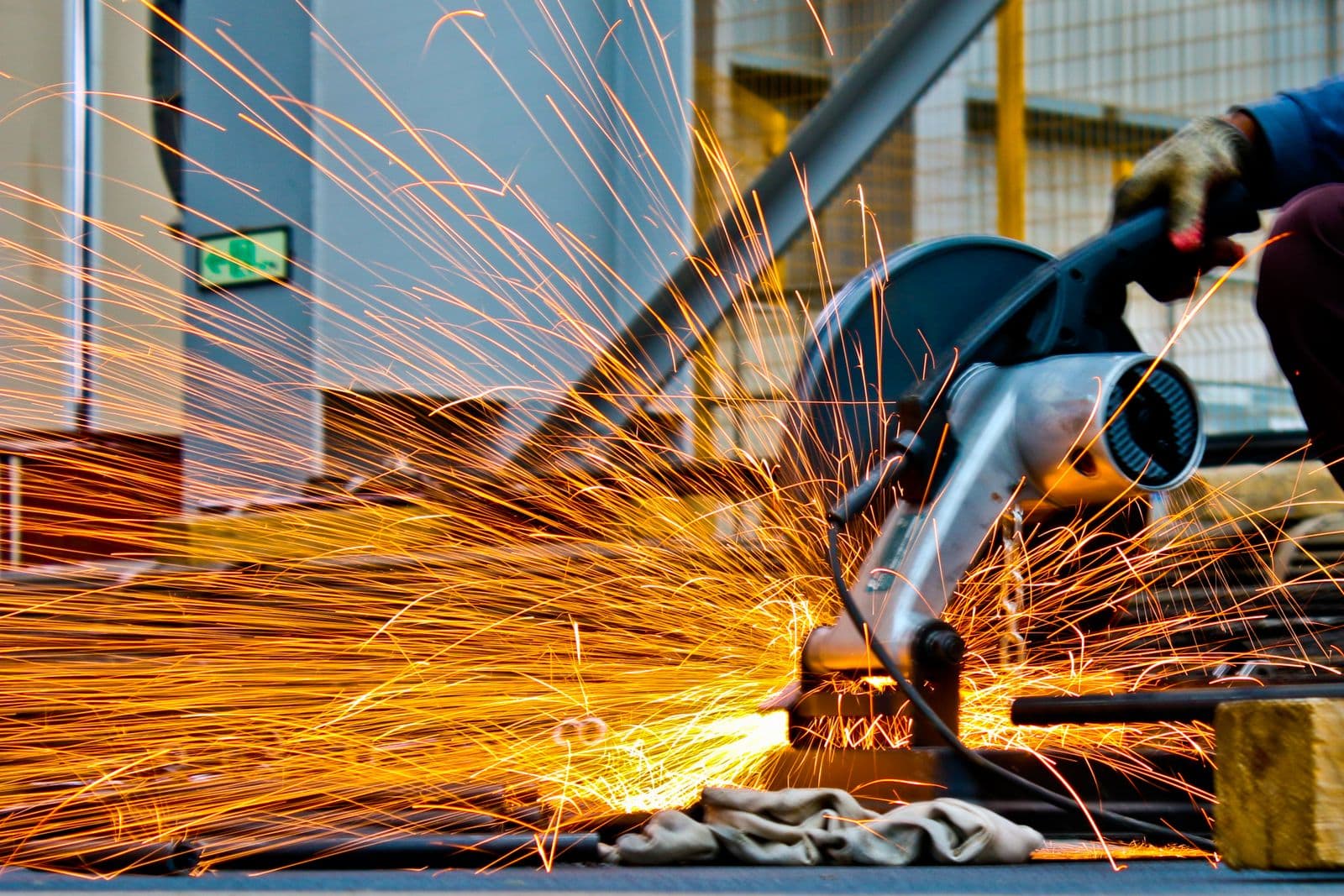
Cut-off Grinding
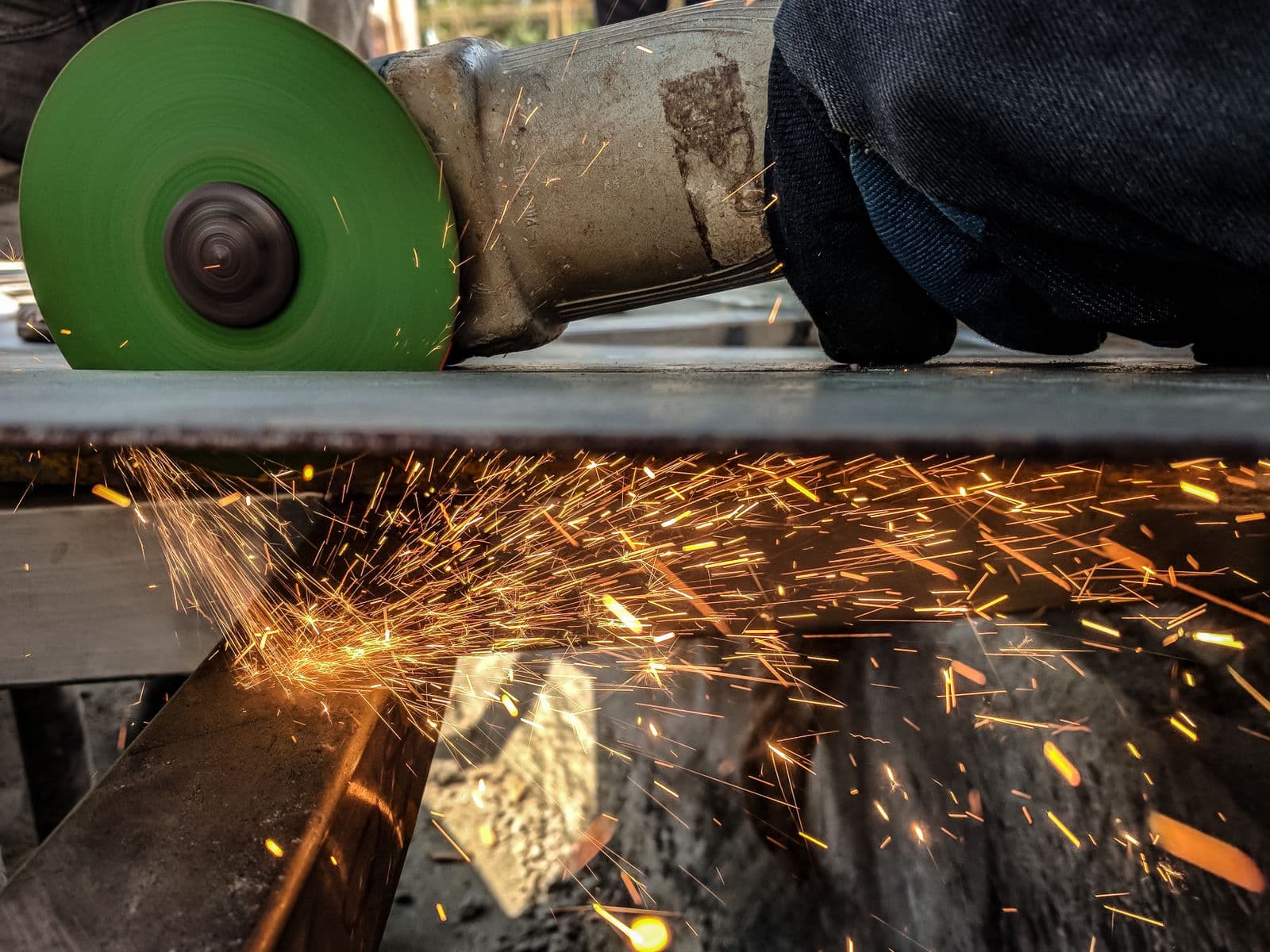
Thin bonded wheels that part material by cutting a narrow kerf. On stationary machines, laboratory cutters and wet saws the requirement is a square, undamaged cut face — not simply a fast one. SES holds the range as an authorised Tyrolit distributor, covering diameters Roughly 100 mm to 400 mm on stationary machines; thicknesses 0.8 mm upward, chosen against material section; bonds Resinoid, fibre-reinforced resinoid, metal-bond diamond; abrasives Aluminium oxide, silicon carbide, diamond. Executions include dry cut-off wheels for steel, wet cut-off wheels for hardened material, contamination-free wheels for stainless, silicon carbide wheels for non-ferrous and cast iron, among others. It is specified most often into chop-saw cutting of billet and bar stock in the machine shop and metallographic sample sectioning in the plant laboratory. Every part is genuine Tyrolit through official channels, with designation, specification and options confirmed against your duty before it ships — supplied from Kolkata and our branch network, with breakdown cover that does not sit in an inbox.
Send an enquiry
Check Price & Availability.
Give us the size or the failed part — we reply on WhatsApp.
Trusted across Metals & Energy
Supplying India’s Industrial Names.
From integrated steel plants to power utilities and EPC majors — the works that cannot afford a counterfeit part specify through SES.













Kerf
Thin, typically 0.8 mm to 3 mm
Bond
Resinoid, fibre reinforced
Cut condition
Dry or flood cooled
Priority
Square face, no burn, minimal burr
Where it runs.
You will find Cut-off Grinding in the parts of a plant where this particular duty actually occurs. In practice that means chop-saw cutting of billet and bar stock in the machine shop, metallographic sample sectioning in the plant laboratory, cutting hardened shafts and tubes before rework, and equally sectioning carbide and ceramic components, trimming castings and extruded sections to length, rebar and section cutting on fabrication lines. What links them is the duty rather than the machine name — kerf: Thin, typically 0.8 mm to 3 mm. If your installation is not on that list it matters less than you would think: the operating condition decides the specification. Send us the load, the speed, the running temperature and the environment it runs in, and we will match it to the right execution in the Tyrolit range and confirm what is in stock.
Specify it against the duty.
Specification here follows the operating condition, not the catalogue. Cut faces going blue on parts that are machined afterwards — A wet cut-off wheel with flood coolant and a softer bond. Heat tint means the structure under the face has changed, and that layer has to come off. Hardened, high-alloy or stainless material — A wheel declared free of iron, sulphur and chlorine. Free contaminants pit stainless and are refused outright on nuclear and food-plant work. Wheel wearing fast yet never seeming to cut — One grade softer. A wheel that is too hard glazes, rides on flats and consumes itself through heat rather than by cutting. Where two of those apply at once, specify for the harsher of the two — under-specifying is what puts the part back on the bench a month later. Send us the duty and we will confirm the execution.
Ordering this from SES.
Never side-load a cut-off wheel to widen a slot or free a trapped part. These wheels have almost no lateral strength and the failure is instantaneous — cut a second kerf instead. Send the designation off the failed part and we will confirm the Tyrolit equivalent and stock position.