
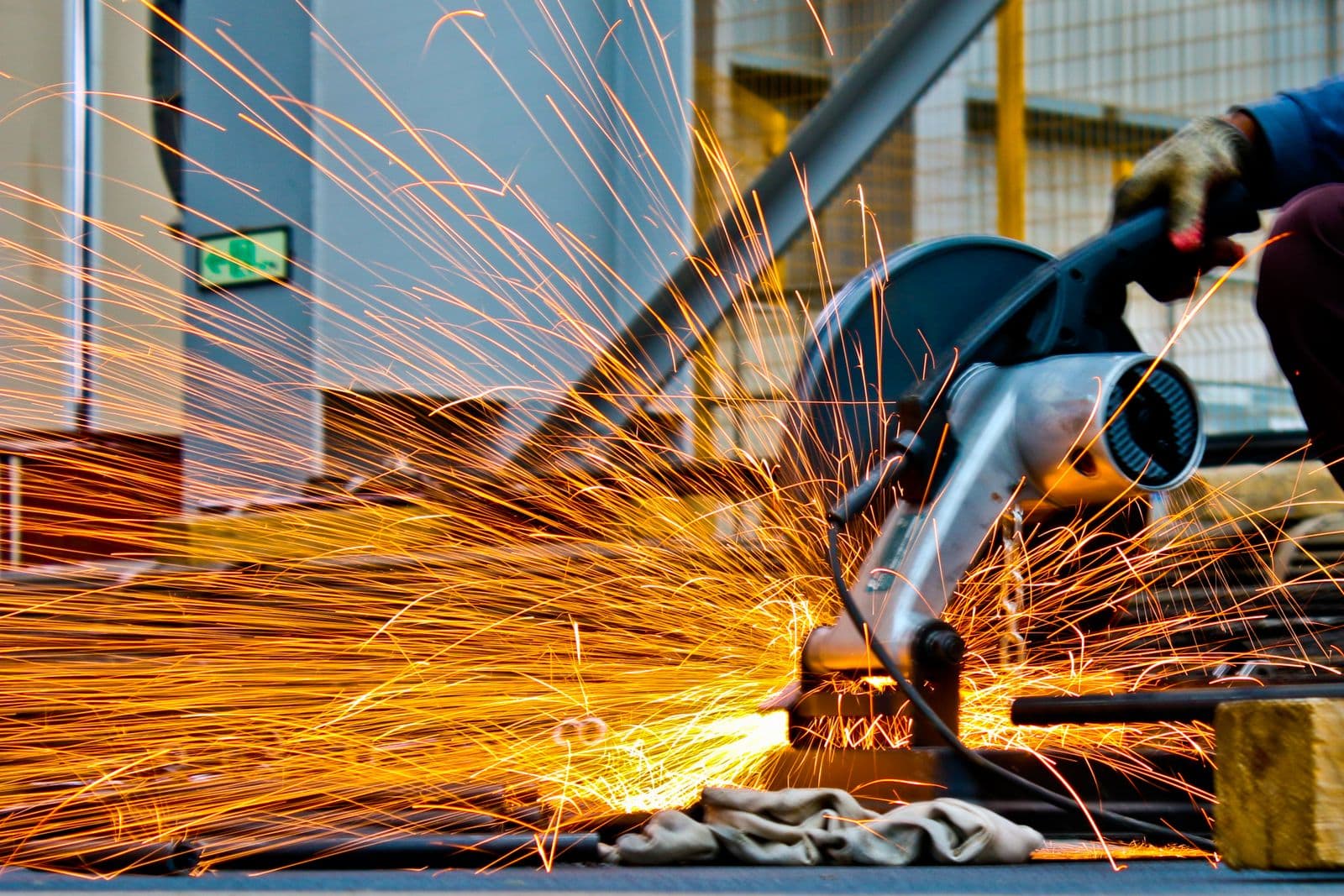
Cutting
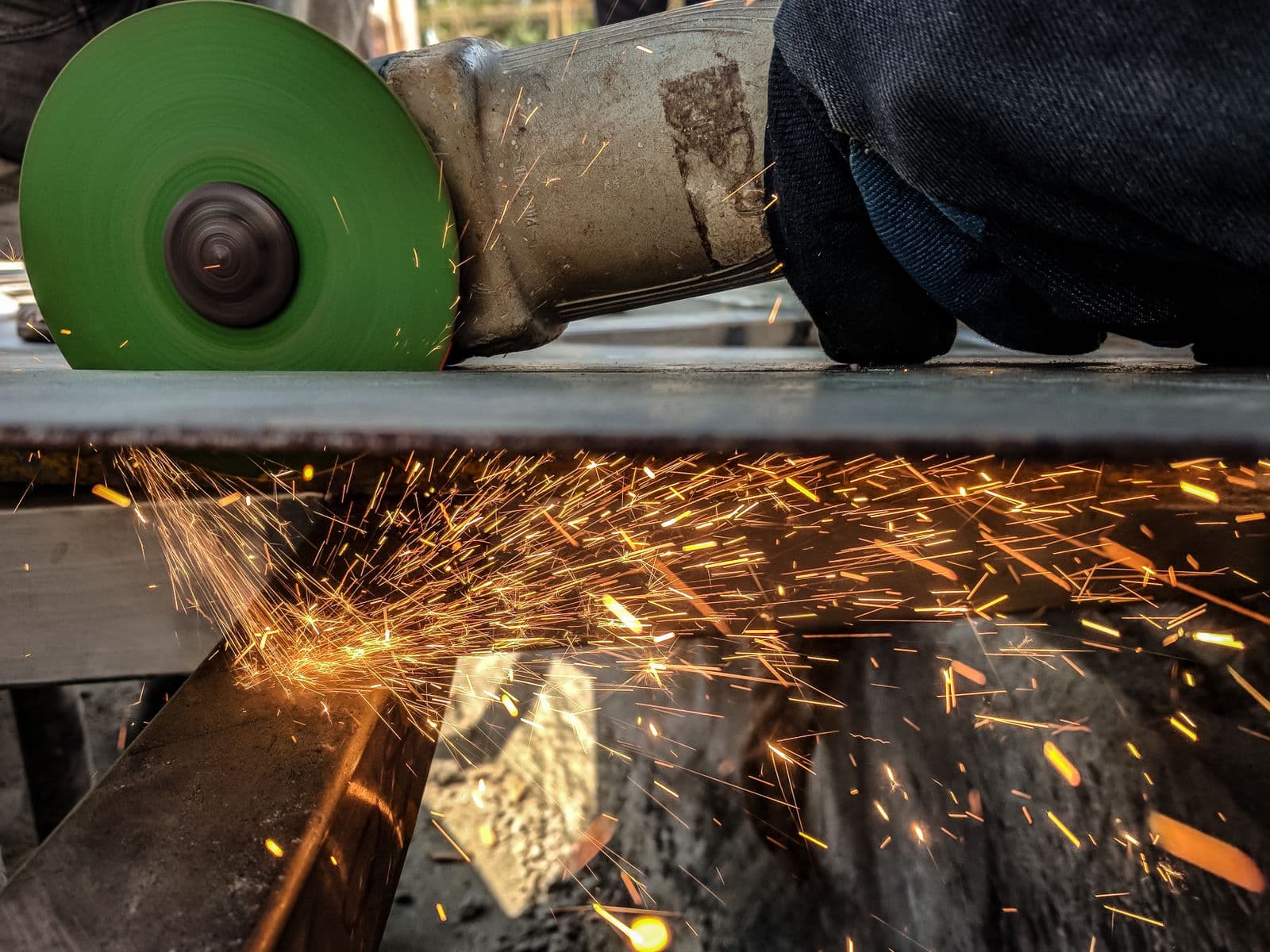
Cut-off wheels for separating metal, both hand-held and machine-mounted. These wheels cut on the periphery only, and every specification decision comes down to thickness, grain and how firmly the wheel is held on line. SES holds the range as an authorised Tyrolit distributor, covering diameters 75 mm to 1250 mm; thicknesses 1.0 mm to 10 mm; bores 22.23 mm, 25.4 mm, 32 mm and larger on stationary machines; speeds 80 m/s standard, 100 m/s high-speed grades. Executions include freehand cutting, stationary cutting, thin wheels for stainless steel, wheels for cast and non-ferrous materials, among others. It is specified most often into angle grinder work on structural steel in fabrication shops and chop saw cutting of bar and section in maintenance workshops. Every part is genuine Tyrolit through official channels, with designation, specification and options confirmed against your duty before it ships — supplied from Kolkata and our branch network, with breakdown cover that does not sit in an inbox.
Send an enquiry
Check Price & Availability.
Give us the size or the failed part — we reply on WhatsApp.
Trusted across Metals & Energy
Supplying India’s Industrial Names.
From integrated steel plants to power utilities and EPC majors — the works that cannot afford a counterfeit part specify through SES.

















Wheel forms
Type 41 flat, Type 42 depressed centre
Thickness
1.0 mm to 10 mm
Grain
Aluminium oxide, zirconia, ceramic, silicon carbide
Reinforcement
Glass fibre, resin bonded
Where it runs.
You will find Cutting in the parts of a plant where this particular duty actually occurs. In practice that means angle grinder work on structural steel in fabrication shops, chop saw cutting of bar and section in maintenance workshops, cutting seized studs and corroded pipework during refinery shutdowns, and equally rail and section cutting in railway and siding maintenance, trimming plate and profile offcuts in boiler shops, cutting stainless pipework in dairy, food and pharma lines. What links them is the duty rather than the machine name — wheel forms: Type 41 flat, Type 42 depressed centre. If your installation is not on that list it matters less than you would think: the operating condition decides the specification. Send us the load, the speed, the running temperature and the environment it runs in, and we will match it to the right execution in the Tyrolit range and confirm what is in stock.
Specify it against the duty.
Specification here follows the operating condition, not the catalogue. Cutting thin-wall stainless tube or sheet — A 1.0 to 1.6 mm wheel in an iron-free grade. A thick wheel puts far more heat into the cut, and heat tint on stainless means corrosion resistance in that band has gone. The section is thick and the cut is long — A thicker wheel and, where the work allows, a stationary machine. Thin wheels flex over long cuts, the kerf wanders and the wheel ends up loaded sideways. Work is grey cast iron or a non-ferrous casting — A silicon carbide wheel. Aluminium oxide grain does not fracture cleanly against cast iron, so the wheel rubs rather than cuts. Where two of those apply at once, specify for the harsher of the two — under-specifying is what puts the part back on the bench a month later. Send us the duty and we will confirm the execution.
Ordering this from SES.
A wheel that has been dropped can carry a crack you will never see through the reinforcement mesh, so scrap it rather than test it. Check the expiry stamp as well: resin bond ages, and an out-of-date wheel loses strength before it loses shape.