
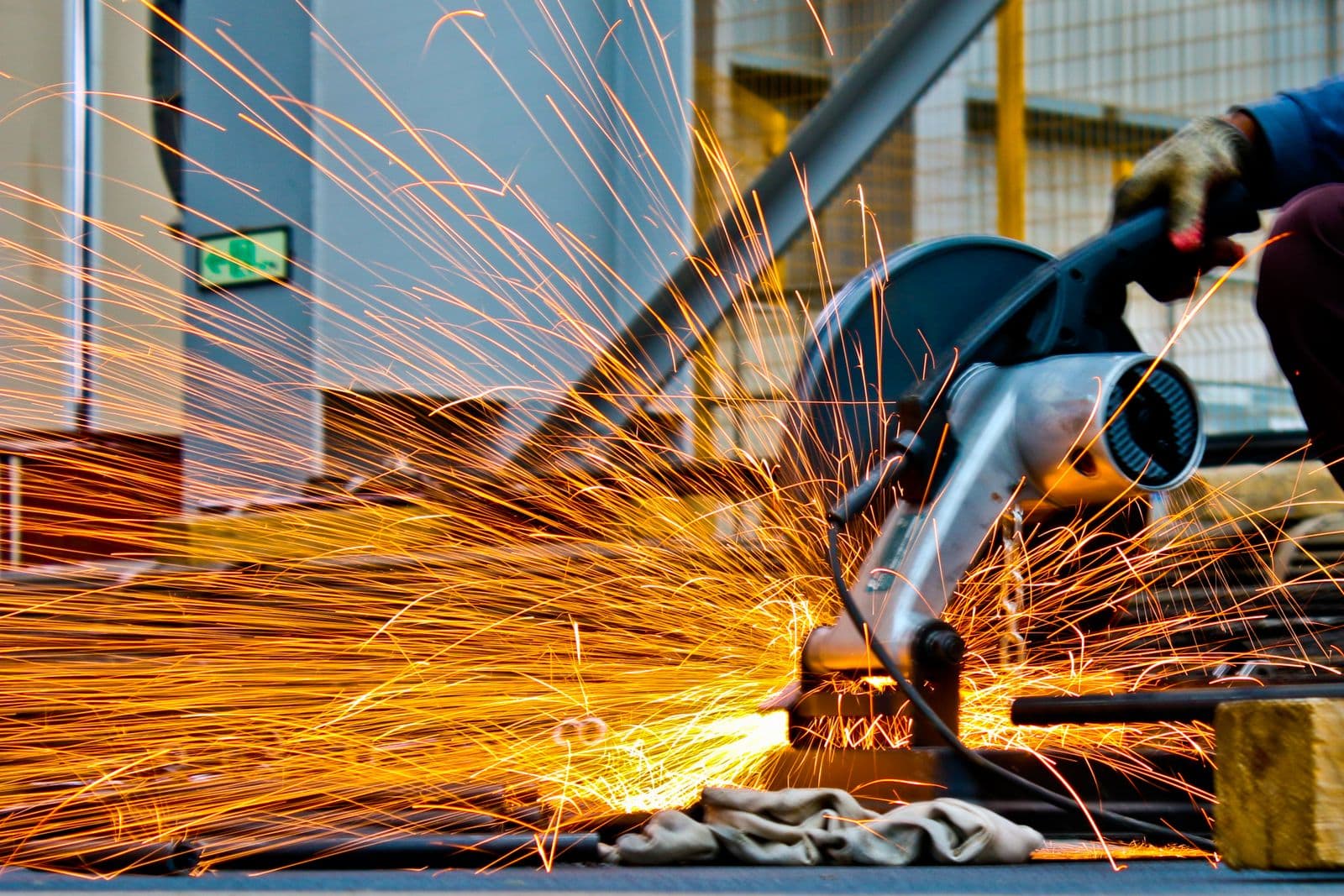
Cutting of Cast Materials
Heavy cut-off wheels for taking risers, feeders, gates and ingate systems off castings on a stationary bench. The cut is short, thick and hot, so these wheels are built to take pressure and shed grain rather than to leave a fine kerf. SES holds the range as an authorised Tyrolit distributor, covering diameters 350 mm to 1250 mm; thicknesses 3 mm to 10 mm; bores 32 mm to 120 mm by machine; speeds 80 m/s and 100 m/s grades. Executions include silicon carbide wheels for grey iron, aluminium oxide wheels for cast steel, wet-rated wheels for flood-cooled benches, high-speed 100 m/s wheels, among others. It is specified most often into riser cutting benches in grey and SG iron foundries and gate removal on cast steel components before heat treatment. Every part is genuine Tyrolit through official channels, with designation, specification and options confirmed against your duty before it ships — supplied from Kolkata and our branch network, with breakdown cover that does not sit in an inbox.
Send an enquiry
Check Price & Availability.
Give us the size or the failed part — we reply on WhatsApp.
Trusted across Metals & Energy
Supplying India’s Industrial Names.
From integrated steel plants to power utilities and EPC majors — the works that cannot afford a counterfeit part specify through SES.
















Diameters
350 mm to 1250 mm
Use
Dry or wet stationary benches
Grain
Aluminium oxide and silicon carbide
Work
Risers, feeders, gates, sprues
Where it runs.
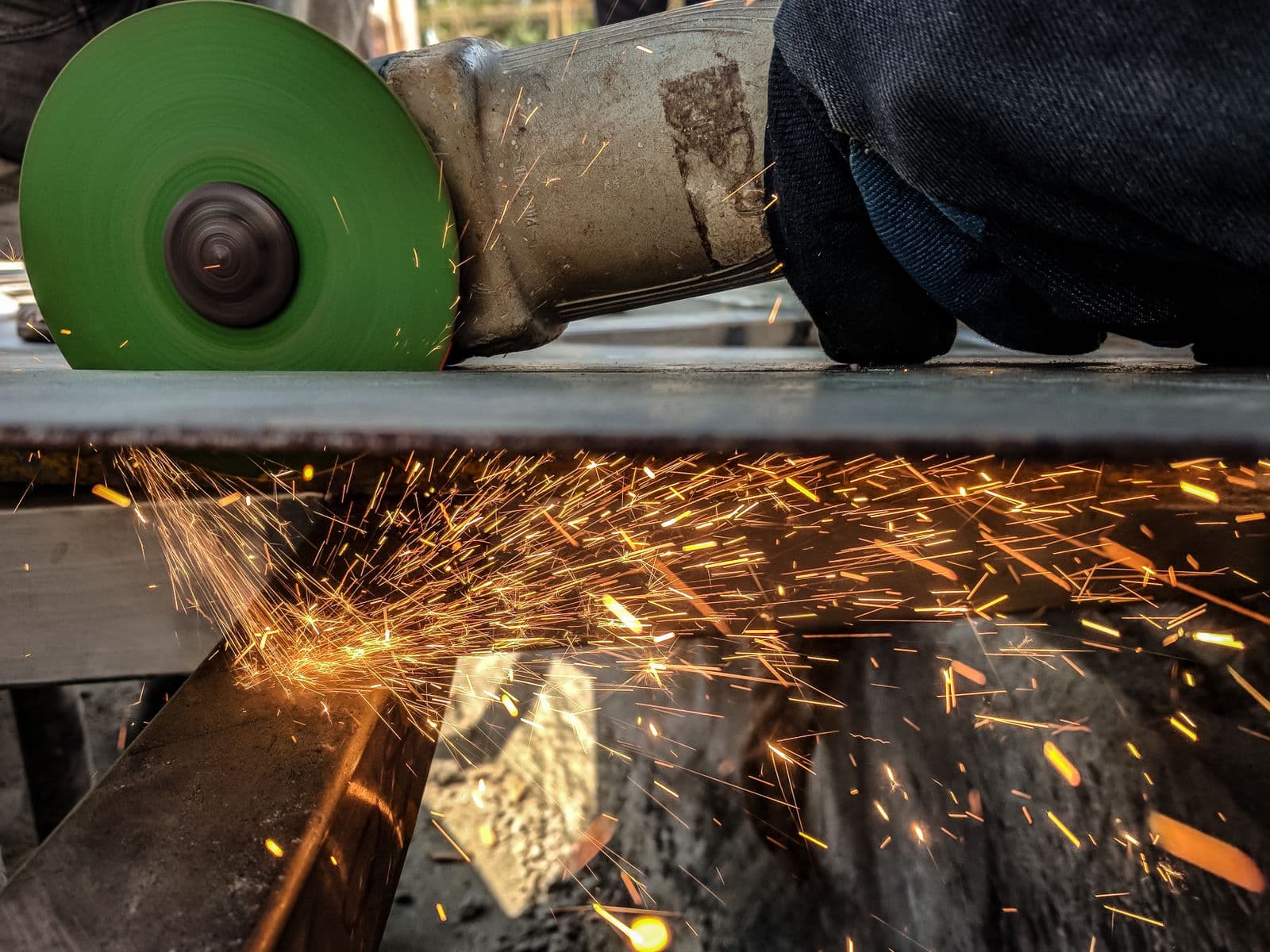
You will find Cutting of Cast Materials in the parts of a plant where this particular duty actually occurs. In practice that means riser cutting benches in grey and SG iron foundries, gate removal on cast steel components before heat treatment, cutting ingate systems on manganese steel wear castings, and equally sectioning rejected castings for return to the melt, trimming ingot heads in steel foundry despatch bays, sample sectioning for foundry metallurgical testing. What links them is the duty rather than the machine name — diameters: 350 mm to 1250 mm. If your installation is not on that list it matters less than you would think: the operating condition decides the specification. Send us the load, the speed, the running temperature and the environment it runs in, and we will match it to the right execution in the Tyrolit range and confirm what is in stock.
Specify it against the duty.
Specification here follows the operating condition, not the catalogue. The material is grey cast iron — A silicon carbide wheel. Silicon carbide fractures sharply against a graphite structure, where aluminium oxide dulls and the wheel starts to rub. The material is manganese or austenitic steel — A free-cutting open bond and a continuous feed. These steels work-harden the moment the wheel dwells, and the second pass is always harder than the first. The bench has a coolant flood — A wet-rated wheel throughout, never a dry wheel run wet occasionally. Alternating wet and dry on a resin wheel sets up cracks around the bore. Where two of those apply at once, specify for the harsher of the two — under-specifying is what puts the part back on the bench a month later. Send us the duty and we will confirm the execution.
Ordering this from SES.
An operator facing a stalling cut will instinctively lean harder. Train it out of them: on a large riser wheel, extra pressure loads the bond, the wheel slows further, and that sequence is what ends in a burst.