
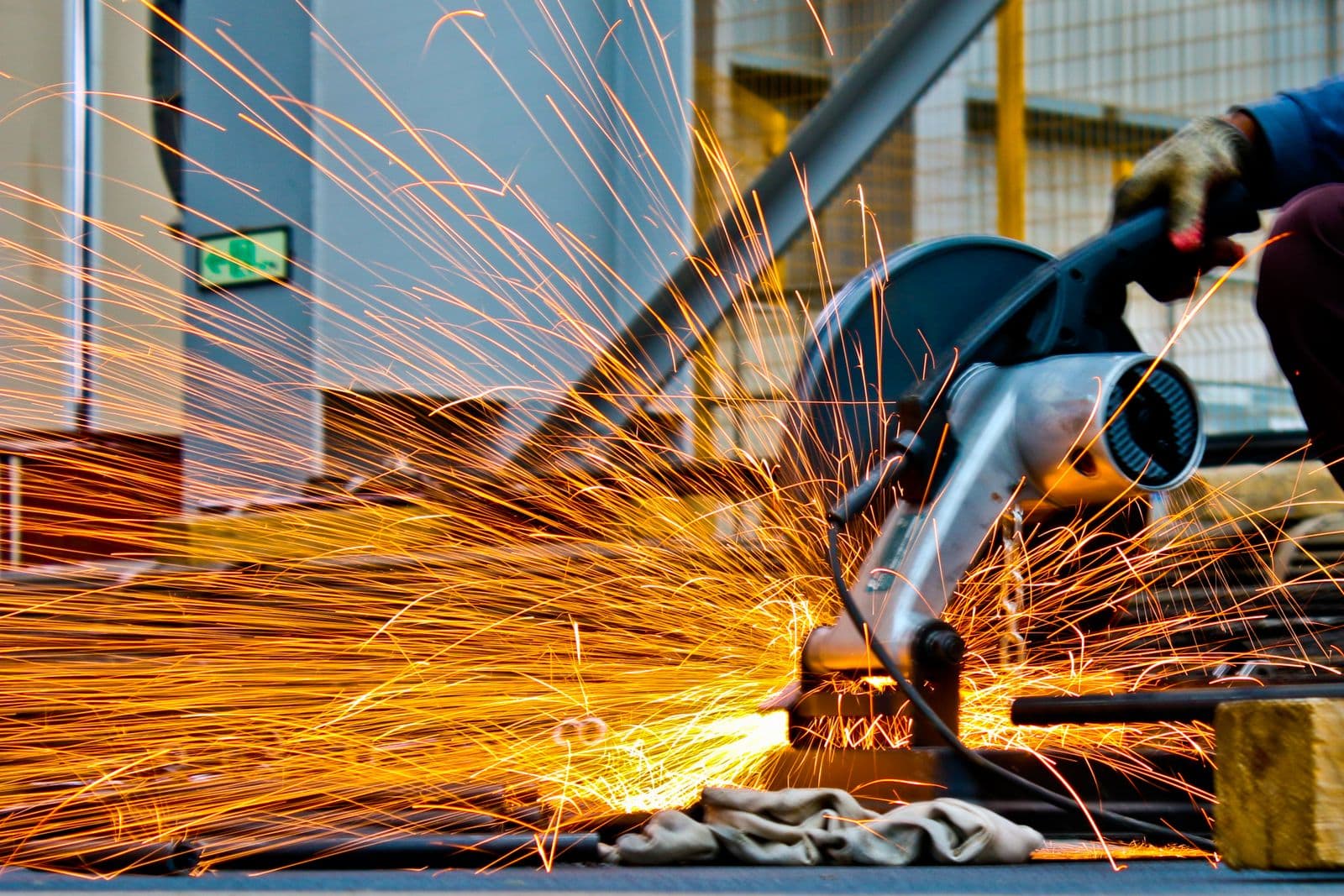
Depressed Centre Grinding Wheels
Type 27 wheels for stock removal at an angle to the work — weld dressing, chamfering, casting clean-up. Removal rate depends on grain type and the pressure the operator can hold comfortably. SES holds the range as an authorised Tyrolit distributor, covering diameters 100, 115, 125, 178, 180, 230 mm; thickness 4, 6, 7, 8 mm; bore 22.23 mm standard; grain Ceramic, zirconia alumina, aluminium oxide. Executions include grinding wheels for steel, grinding wheels for stainless steel, grinding wheels for cast iron, grinding wheels for aluminium, among others. It is specified most often into weld cap dressing on structural fabrication and casting fettling and parting line removal. Every part is genuine Tyrolit through official channels, with designation, specification and options confirmed against your duty before it ships — supplied from Kolkata and our branch network, with breakdown cover that does not sit in an inbox.
Send an enquiry
Check Price & Availability.
Give us the size or the failed part — we reply on WhatsApp.
Trusted across Metals & Energy
Supplying India’s Industrial Names.
From integrated steel plants to power utilities and EPC majors — the works that cannot afford a counterfeit part specify through SES.



















Operation
Grinding at 15–30° to the work
Thickness
4 mm to 8 mm
Max speed
80 m/s
Standard
EN 12413, oSa certified
Where it runs.
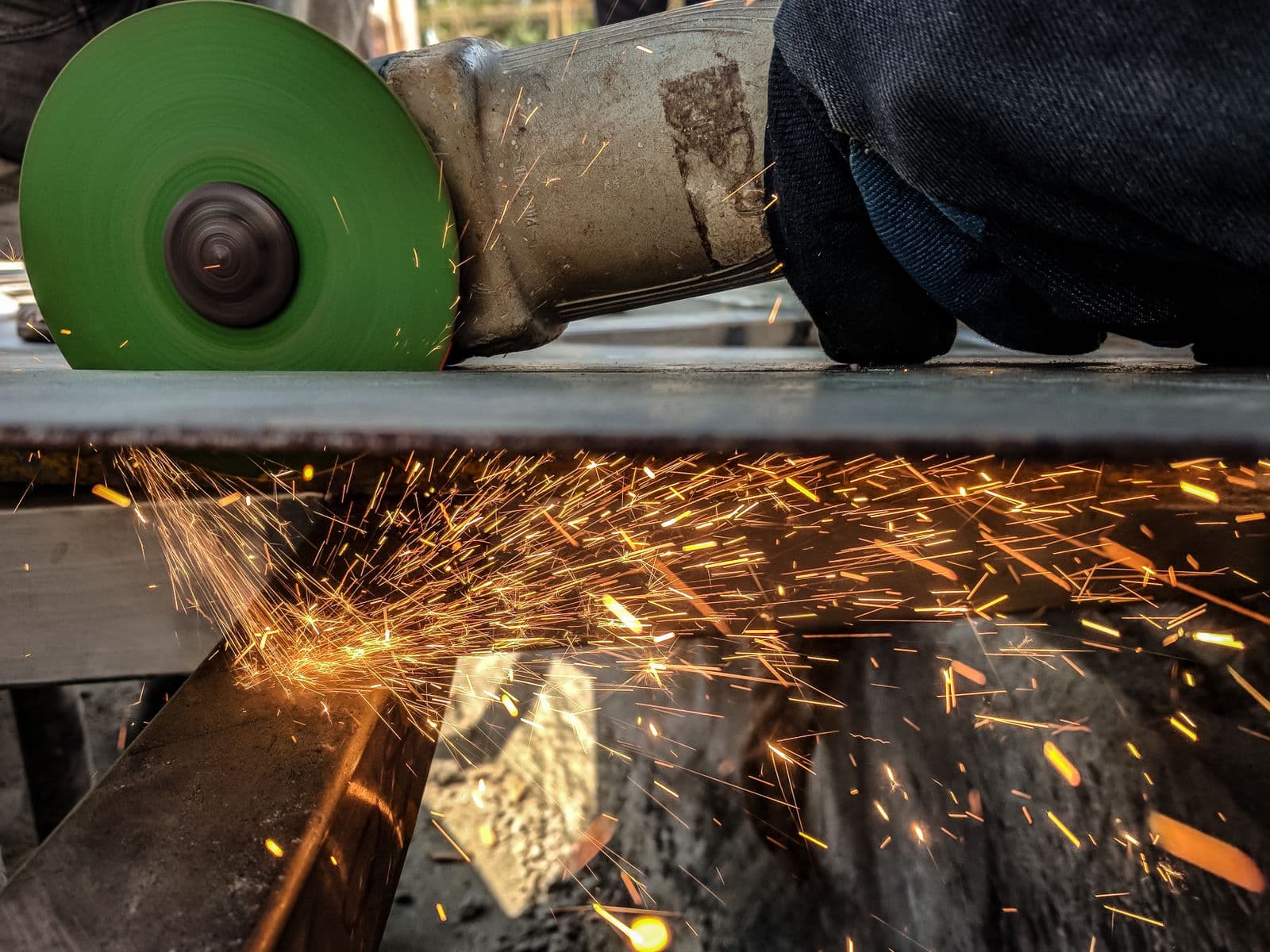
You will find Depressed Centre Grinding Wheels in the parts of a plant where this particular duty actually occurs. In practice that means weld cap dressing on structural fabrication, casting fettling and parting line removal, bevel and chamfer preparation before welding, and equally plate edge dressing after flame cutting, shipyard and barge hull weld cleanup, repair grinding on mill and crusher wear parts. What links them is the duty rather than the machine name — operation: Grinding at 15–30° to the work. If your installation is not on that list it matters less than you would think: the operating condition decides the specification. Send us the load, the speed, the running temperature and the environment it runs in, and we will match it to the right execution in the Tyrolit range and confirm what is in stock.
Specify it against the duty.
Specification here follows the operating condition, not the catalogue. Heavy stock removal on carbon steel — Ceramic grain. It self-sharpens through fracture and holds a removal rate that alumina cannot. Long continuous grinding sessions — A ceramic or zirconia wheel with lower grinding force — this is a vibration exposure issue as much as a productivity one. Stainless steel welds — Contaminant-free specification, and keep the wheel dedicated to stainless only. Where two of those apply at once, specify for the harsher of the two — under-specifying is what puts the part back on the bench a month later. Send us the duty and we will confirm the execution.
Ordering this from SES.
Angle matters more than pressure. Held flatter than about 15° the wheel rubs; steeper than 30° it digs and glazes. Set the operator's angle first, then judge the wheel. Send the designation off the failed part and we will confirm the Tyrolit equivalent and stock position.