

Diamond Grinding Cups
Cup-shaped tools carrying diamond segments on the face, used to level, key or strip a concrete surface rather than to cut through it. Segment layout sets the balance between removal rate and the finish left behind. SES holds the range as an authorised Tyrolit distributor, covering diameters 100, 125 and 180 mm common; threads M14, 5/8-11, plain bore with adapter; segment forms Single row, double row, turbo, arrow, PCD; materials Concrete, screed, natural stone, coatings. Executions include single row cups for heavy removal, double row cups for levelling, turbo cups for a finer finish, PCD cups for coating removal, among others. It is specified most often into levelling concrete before epoxy flooring in packing halls and removing old adhesive and paint from workshop floors. Every part is genuine Tyrolit through official channels, with designation, specification and options confirmed against your duty before it ships — supplied from Kolkata and our branch network, with breakdown cover that does not sit in an inbox.
Send an enquiry
Check Price & Availability.
Give us the size or the failed part — we reply on WhatsApp.
Trusted across Metals & Energy
Supplying India’s Industrial Names.
From integrated steel plants to power utilities and EPC majors — the works that cannot afford a counterfeit part specify through SES.




















Layout
Single row, double row, turbo, PCD
Diameters
100 mm to 180 mm hand-held
Thread
M14 and 5/8-11
Extraction
Shrouded guard and vacuum
Where it runs.
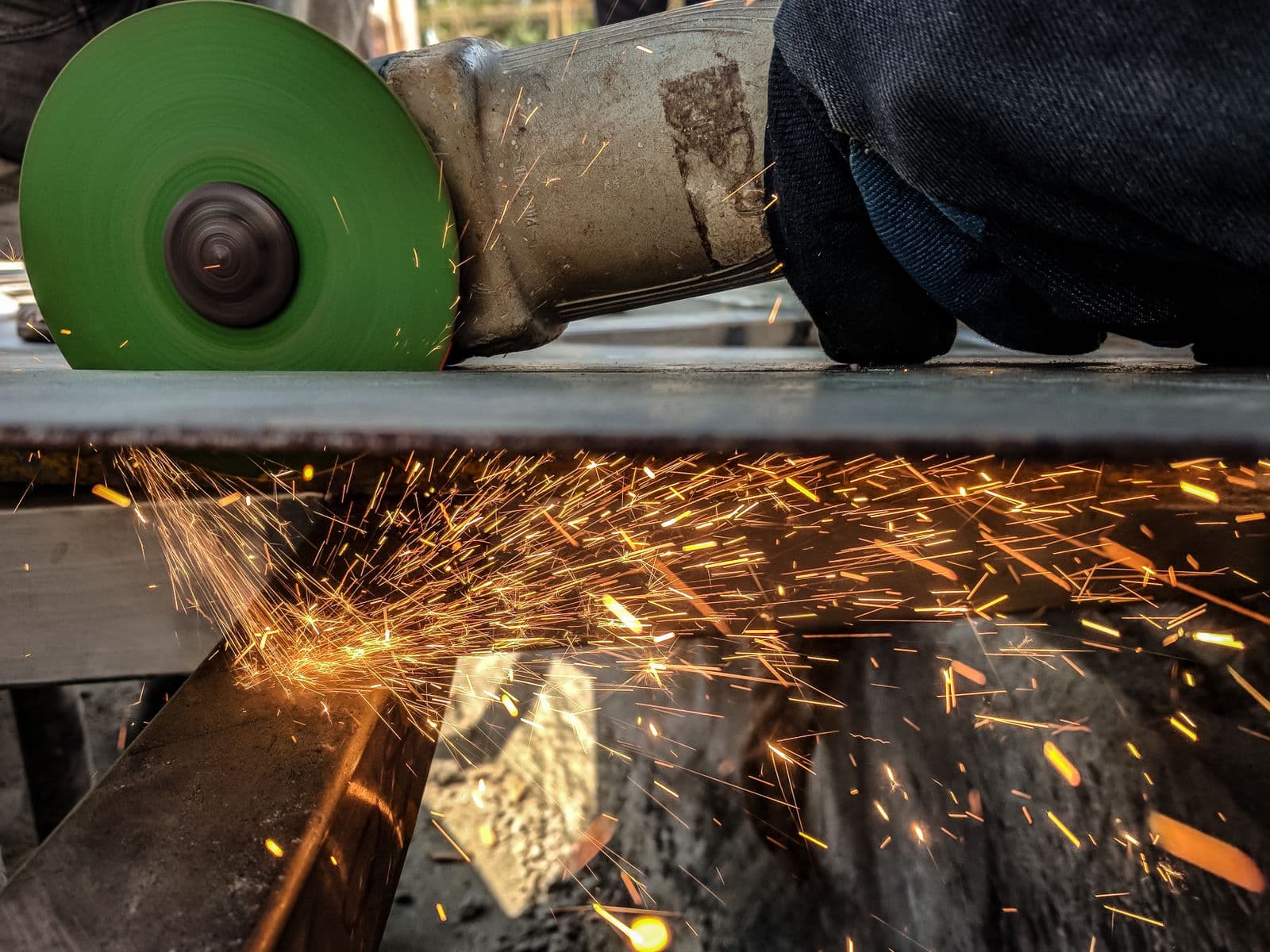
You will find Diamond Grinding Cups in the parts of a plant where this particular duty actually occurs. In practice that means levelling concrete before epoxy flooring in packing halls, removing old adhesive and paint from workshop floors, dressing formwork marks and fins on cast structures, and equally preparing concrete plinths before grouting machine bases, cleaning slab surfaces before waterproofing in tank farms, chamfering and levelling stone and terrazzo edges. What links them is the duty rather than the machine name — layout: Single row, double row, turbo, PCD. If your installation is not on that list it matters less than you would think: the operating condition decides the specification. Send us the load, the speed, the running temperature and the environment it runs in, and we will match it to the right execution in the Tyrolit range and confirm what is in stock.
Specify it against the duty.
Specification here follows the operating condition, not the catalogue. Heavy stock has to come off a rough slab — A single-row cup. Fewer segments means higher pressure on each one, and that pressure is what breaks into a hard slab. The surface must be left smooth enough to coat — A double-row or turbo cup. Single-row cups leave scoring that the coating will telegraph once it cures. Bitumen, glue or thick paint has to be stripped — A PCD cup. Diamond segments load solid with soft material and then only smear it around. Where two of those apply at once, specify for the harsher of the two — under-specifying is what puts the part back on the bench a month later. Send us the duty and we will confirm the execution.
Ordering this from SES.
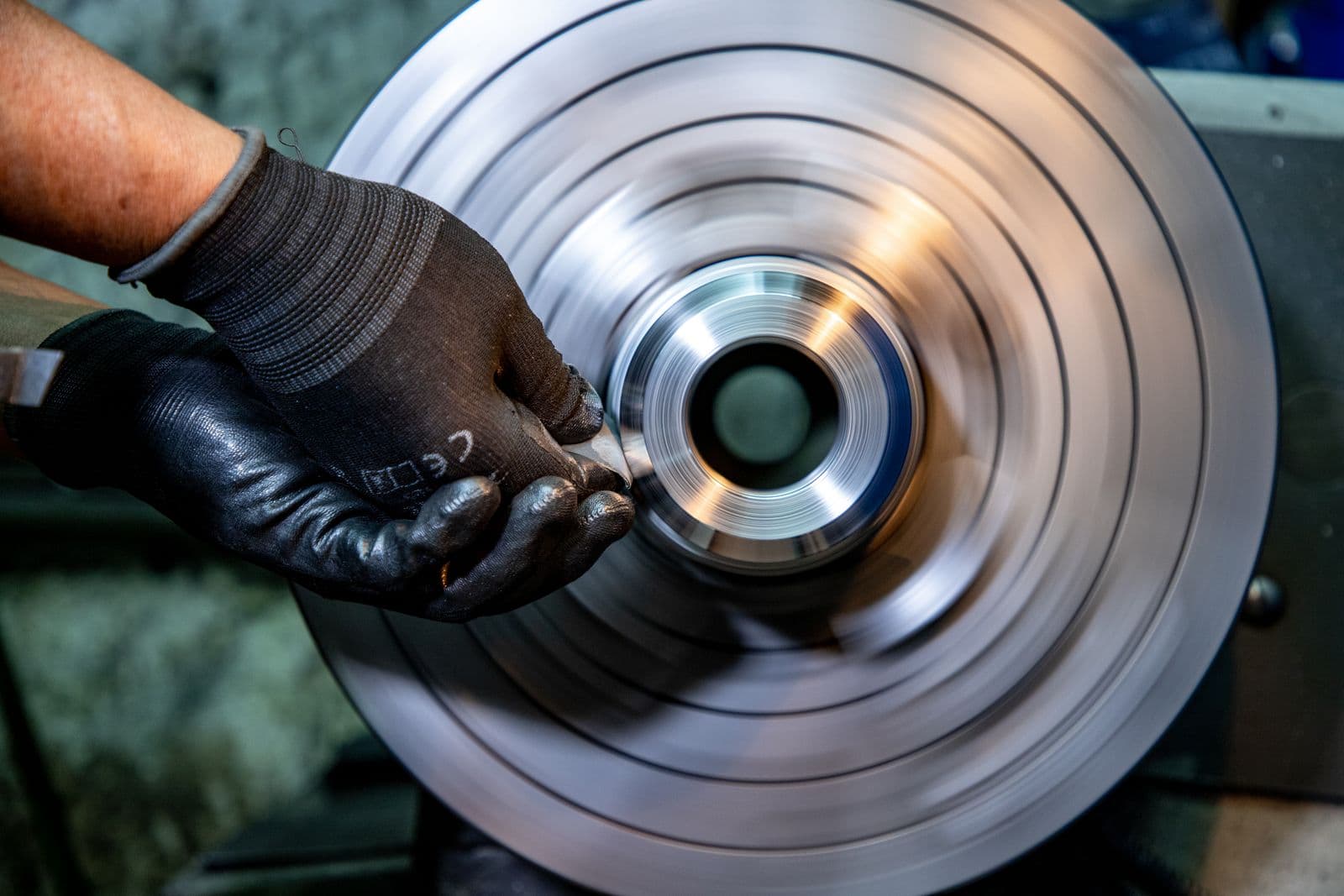
Keep the cup tilted a few degrees and work in overlapping passes. Laid flat, the whole face rides on the high spots, the segments polish over, and the operator ends up pushing a hot tool that is no longer cutting anything.