
Diamond Tools & Saws
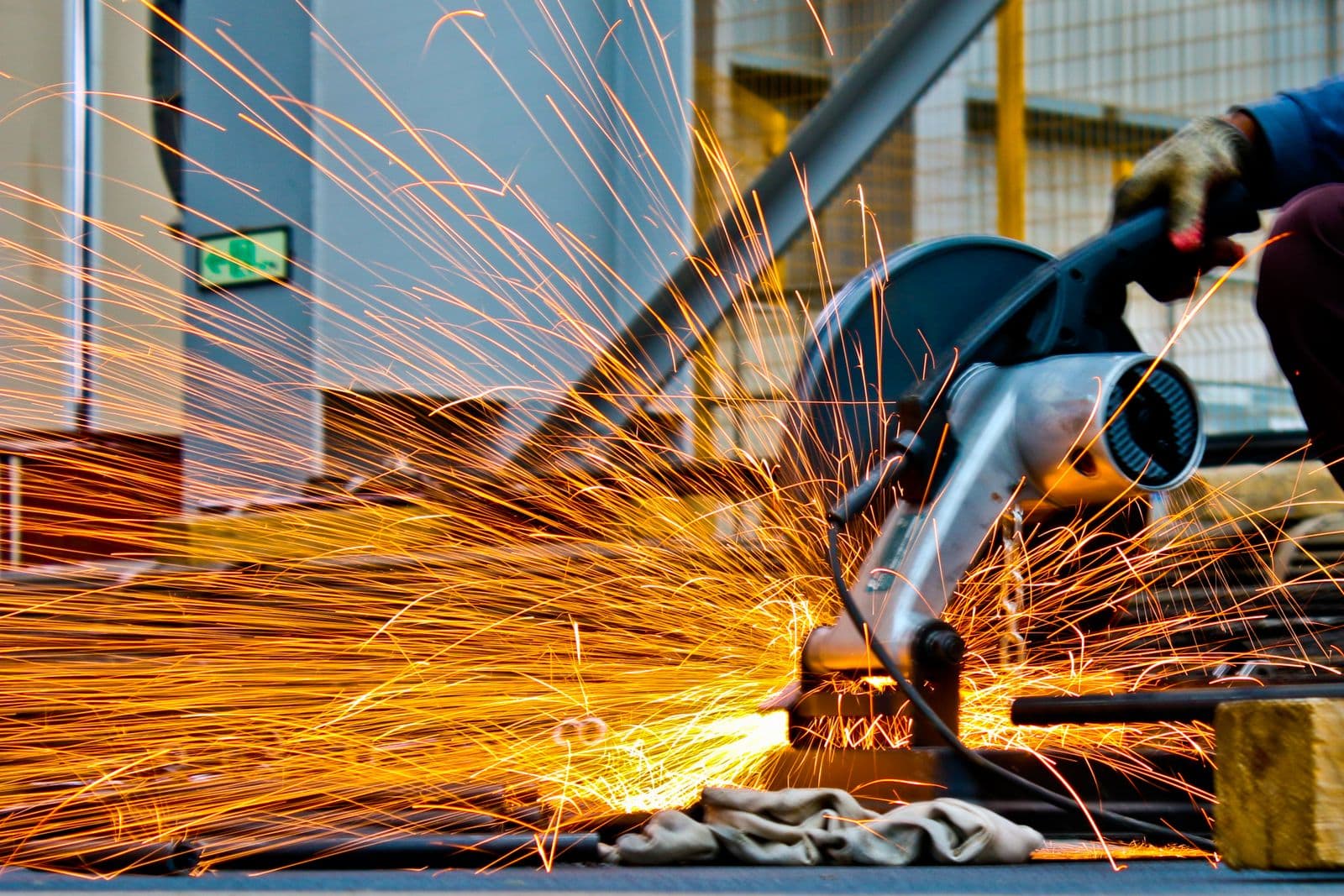
Diamond blades, cups and bead wire for mineral materials — concrete, stone, brick, asphalt and refractory. The diamond does the cutting, but the metal bond around it decides how quickly fresh diamond is exposed, and the bond is what you are actually specifying. SES holds the range as an authorised Tyrolit distributor, covering blade diameters 100 mm to 1200 mm and above; cutting depth Roughly one third of blade diameter; segment heights 7 mm to 15 mm typical; bores 22.23 mm, 25.4 mm, and 60 mm with drive pins. Executions include diamond grinding cups, floor sawing blades, freehand saws, table saw blades, among others. It is specified most often into cutting openings in RCC walls during plant modification and joint cutting in new concrete roads and yard slabs. Every part is genuine Tyrolit through official channels, with designation, specification and options confirmed against your duty before it ships — supplied from Kolkata and our branch network, with breakdown cover that does not sit in an inbox.
Send an enquiry
Check Price & Availability.
Give us the size or the failed part — we reply on WhatsApp.
Trusted across Metals & Energy
Supplying India’s Industrial Names.
From integrated steel plants to power utilities and EPC majors — the works that cannot afford a counterfeit part specify through SES.


















Principle
Bond hardness set against material abrasiveness
Segments
Laser welded, sintered or electroplated
Machines
Angle grinders through to wall and wire saws
Cooling
Wet preferred, dry only where rated
Where it runs.
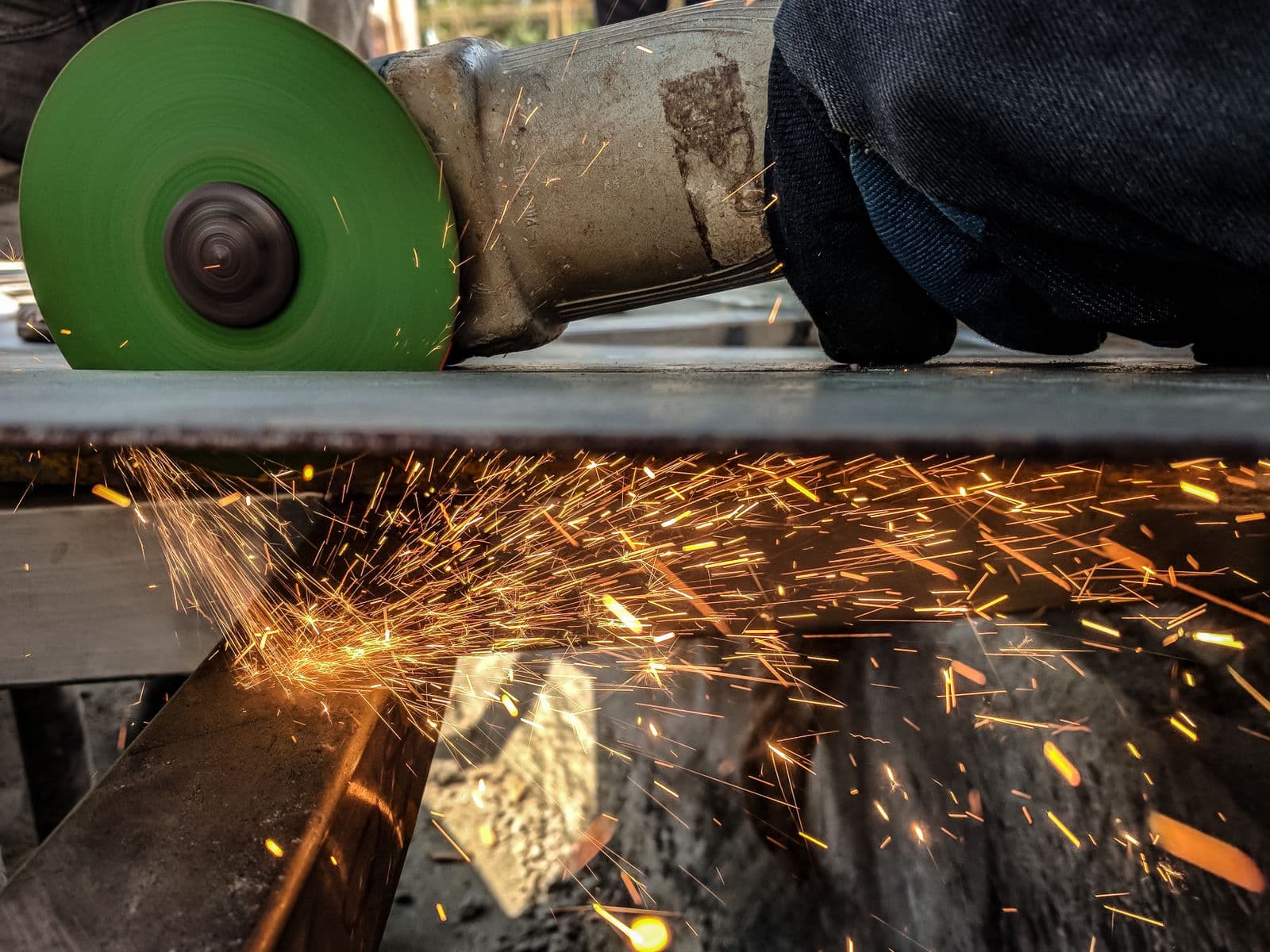
You will find Diamond Tools & Saws in the parts of a plant where this particular duty actually occurs. In practice that means cutting openings in RCC walls during plant modification, joint cutting in new concrete roads and yard slabs, surface preparation before epoxy flooring in process areas, and equally demolition of foundations and machine plinths, cutting kerbs, pavers and blocks on the masonry bench, sectioning refractory and furnace lining during relining shutdowns. What links them is the duty rather than the machine name — principle: Bond hardness set against material abrasiveness. If your installation is not on that list it matters less than you would think: the operating condition decides the specification. Send us the load, the speed, the running temperature and the environment it runs in, and we will match it to the right execution in the Tyrolit range and confirm what is in stock.
Specify it against the duty.
Specification here follows the operating condition, not the catalogue. Material is soft and abrasive — green concrete, asphalt, sandstone — A hard bond. The material itself exposes fresh diamond, so a soft bond gives its segments away in one job. Material is hard and dense, such as cured concrete with granite aggregate — A soft bond that erodes and keeps releasing diamond. A hard bond just polishes over and the blade stops cutting. The cut has to be made dry — A laser-welded blade rated for dry work, used in short passes. Sintered blades depend on water to keep the brazed joint below its softening point. Where two of those apply at once, specify for the harsher of the two — under-specifying is what puts the part back on the bench a month later. Send us the duty and we will confirm the execution.
Ordering this from SES.
A glazed blade is not finished. Run it through an abrasive dressing block, or a few metres of sandstone or old brick, to open the bond and it will cut again — the cheapest recovery available on any diamond tool.