
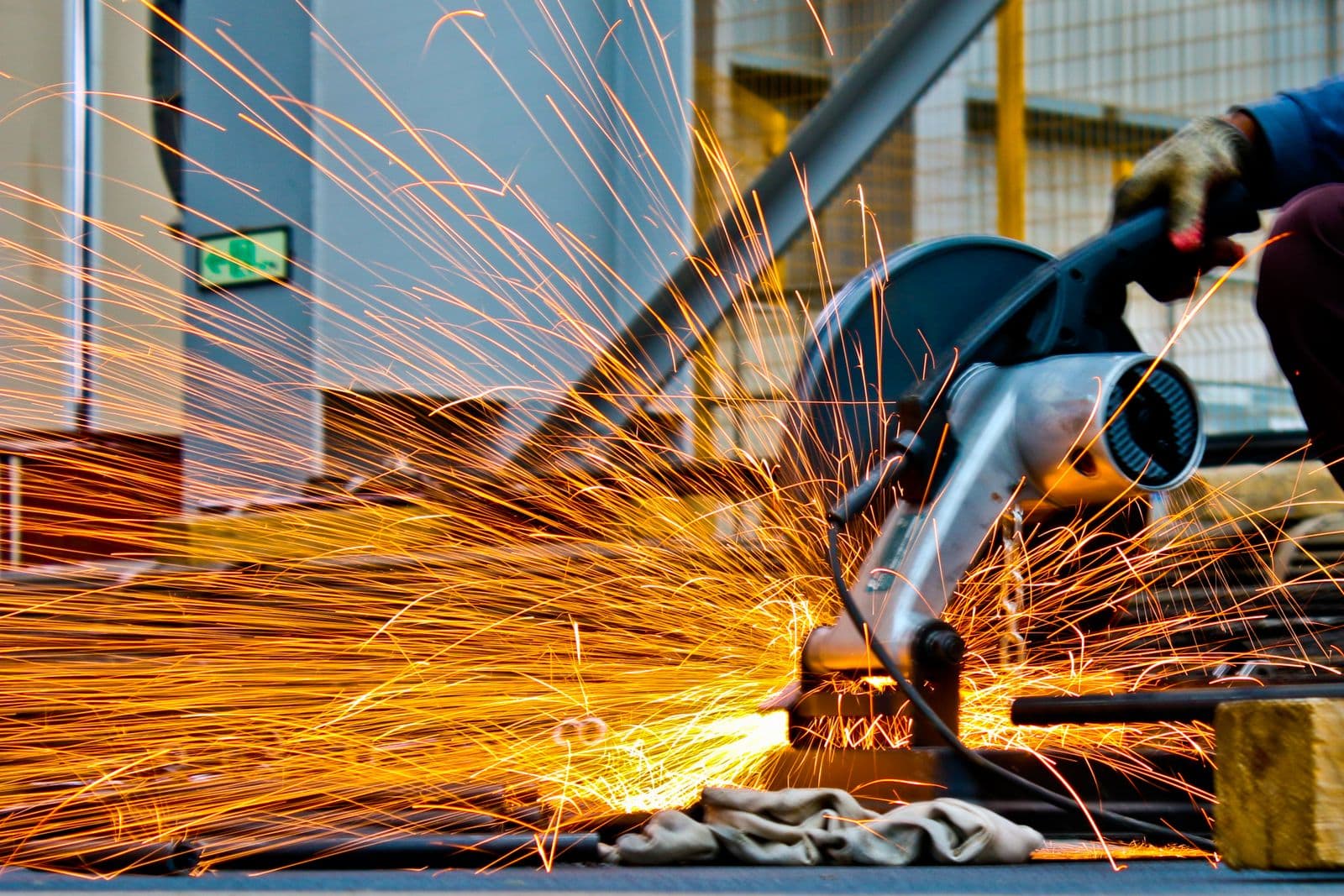
Double Side Face Grinding
Both faces of a part are ground at once between two opposed wheels. Thickness and parallelism come out together in a single pass, which is why bearing washers, seal rings and blades are produced this way. SES holds the range as an authorised Tyrolit distributor, covering wheel types Solid, segmented, and segment-mounted rings; diameters Machine matched, commonly 300 mm to over 1000 mm; abrasives Aluminium oxide, ceramic grain, CBN, diamond; bonds Vitrified, resinoid, hybrid. Executions include solid double-disc wheels, segmented double-disc wheels, vitrified CBN discs, resin-bond diamond discs, among others. It is specified most often into thrust washers and bearing rings and mechanical seal faces. Every part is genuine Tyrolit through official channels, with designation, specification and options confirmed against your duty before it ships — supplied from Kolkata and our branch network, with breakdown cover that does not sit in an inbox.
Send an enquiry
Check Price & Availability.
Give us the size or the failed part — we reply on WhatsApp.
Trusted across Metals & Energy
Supplying India’s Industrial Names.
From integrated steel plants to power utilities and EPC majors — the works that cannot afford a counterfeit part specify through SES.




















Wheels
Two opposed, work passes between
Controls
Thickness and parallelism together
Feed types
Through-feed, rotary carrier, reciprocating
Output
High volume flat components
Where it runs.
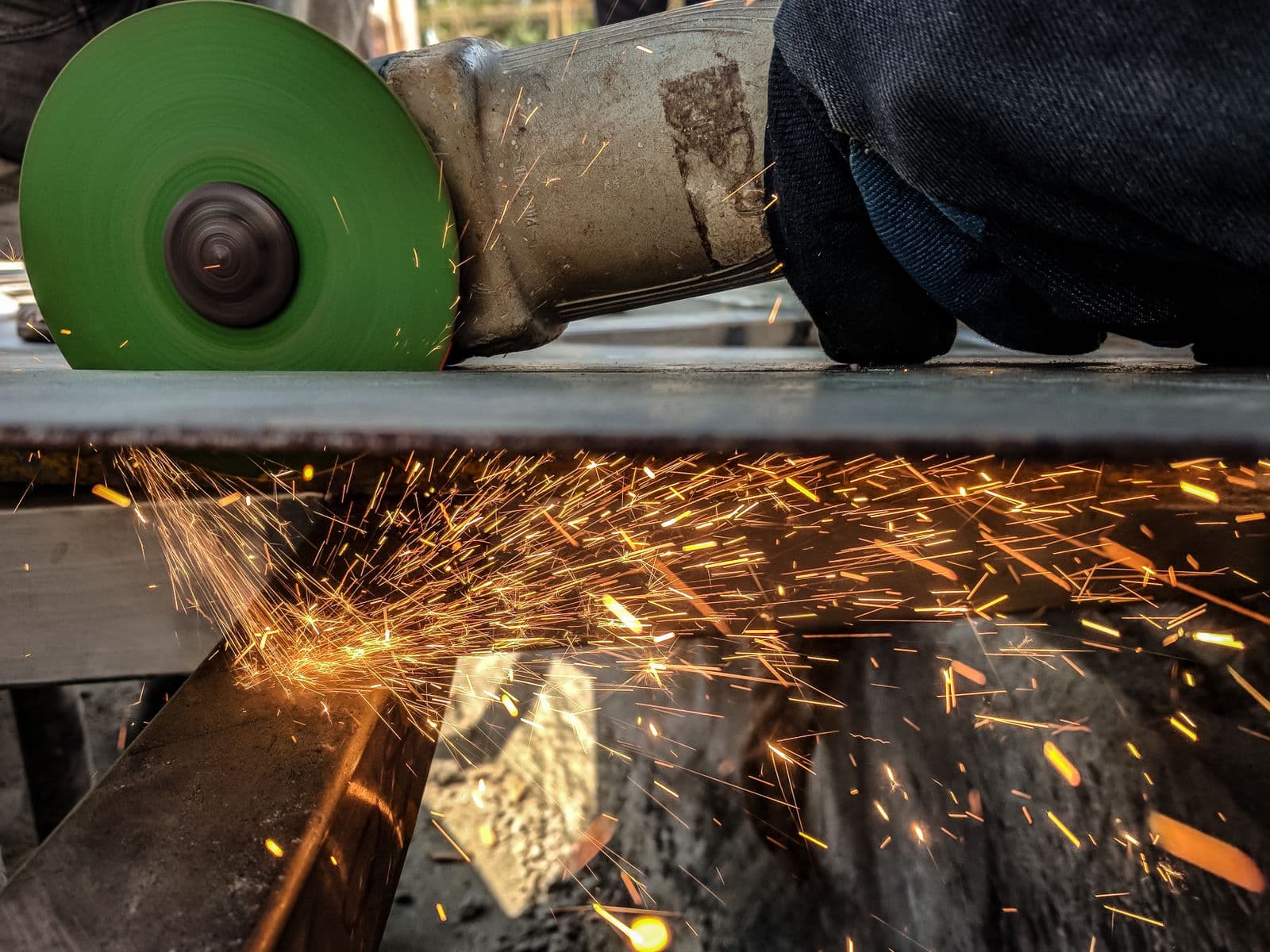
You will find Double Side Face Grinding in the parts of a plant where this particular duty actually occurs. In practice that means thrust washers and bearing rings, mechanical seal faces, saw blade and knife blank thicknessing, and equally compressor reed valves and shim stock, chain plates and link components, hydraulic vane and rotor plates. What links them is the duty rather than the machine name — wheels: Two opposed, work passes between. If your installation is not on that list it matters less than you would think: the operating condition decides the specification. Send us the load, the speed, the running temperature and the environment it runs in, and we will match it to the right execution in the Tyrolit range and confirm what is in stock.
Specify it against the duty.
Specification here follows the operating condition, not the catalogue. Thin parts coming out dished or bowed — A softer, more open wheel and reduced infeed per pass. Dish is heat locked into the part, and it will not come back out at inspection. Sintered carbide or ceramic components — Diamond wheels in resin or hybrid bond. Aluminium oxide will not hold form on these materials beyond a handful of parts. Hardened steel above 60 HRC in volume — Vitrified CBN on both spindles. Conventional wheels break down asymmetrically and the two faces then grind at different rates. Where two of those apply at once, specify for the harsher of the two — under-specifying is what puts the part back on the bench a month later. Send us the duty and we will confirm the execution.
Ordering this from SES.
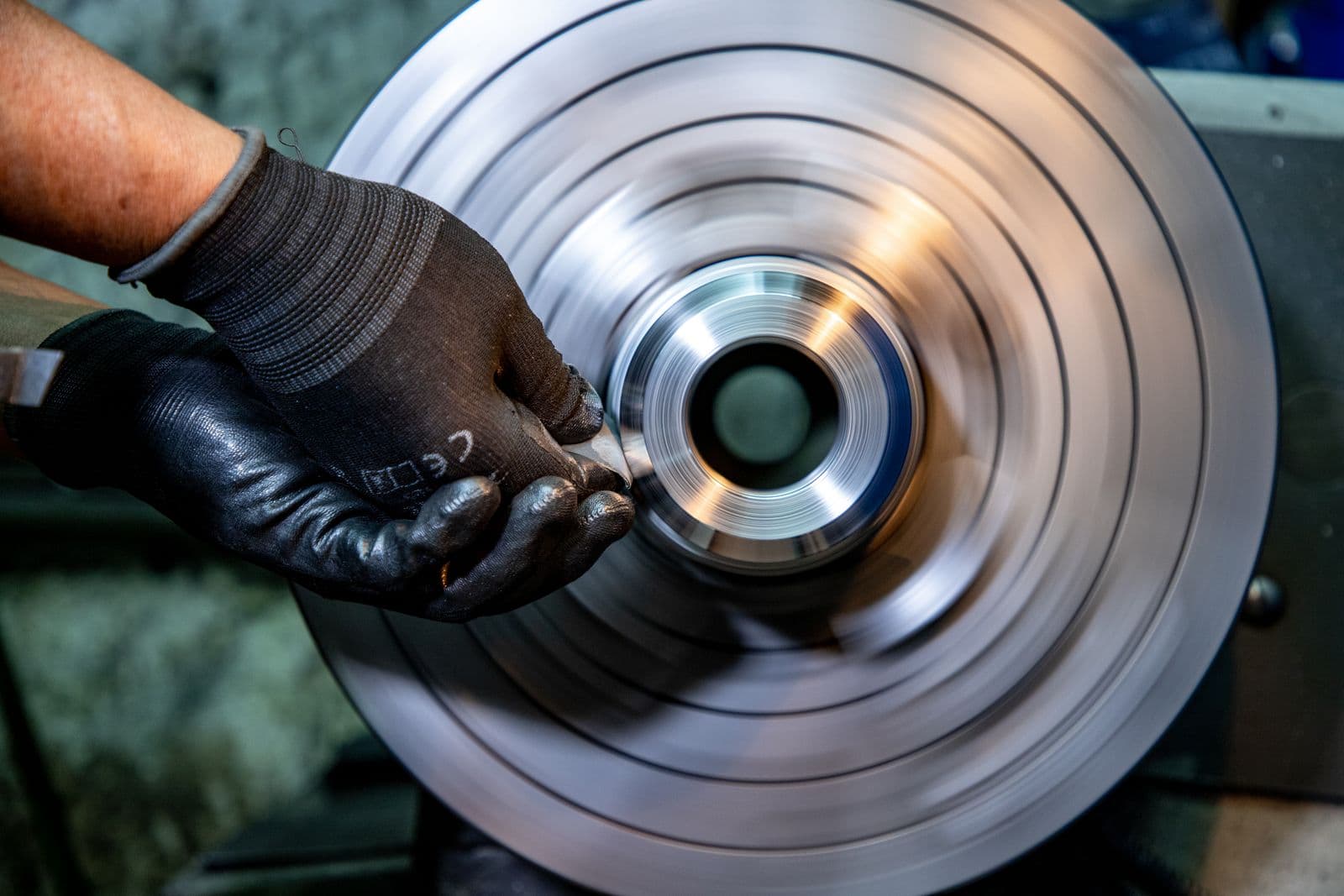
Dress both wheels as a pair and to the same condition. If one side is sharper than the other the part is pushed sideways in the gap, and the thickness variation that follows looks exactly like a machine fault.