
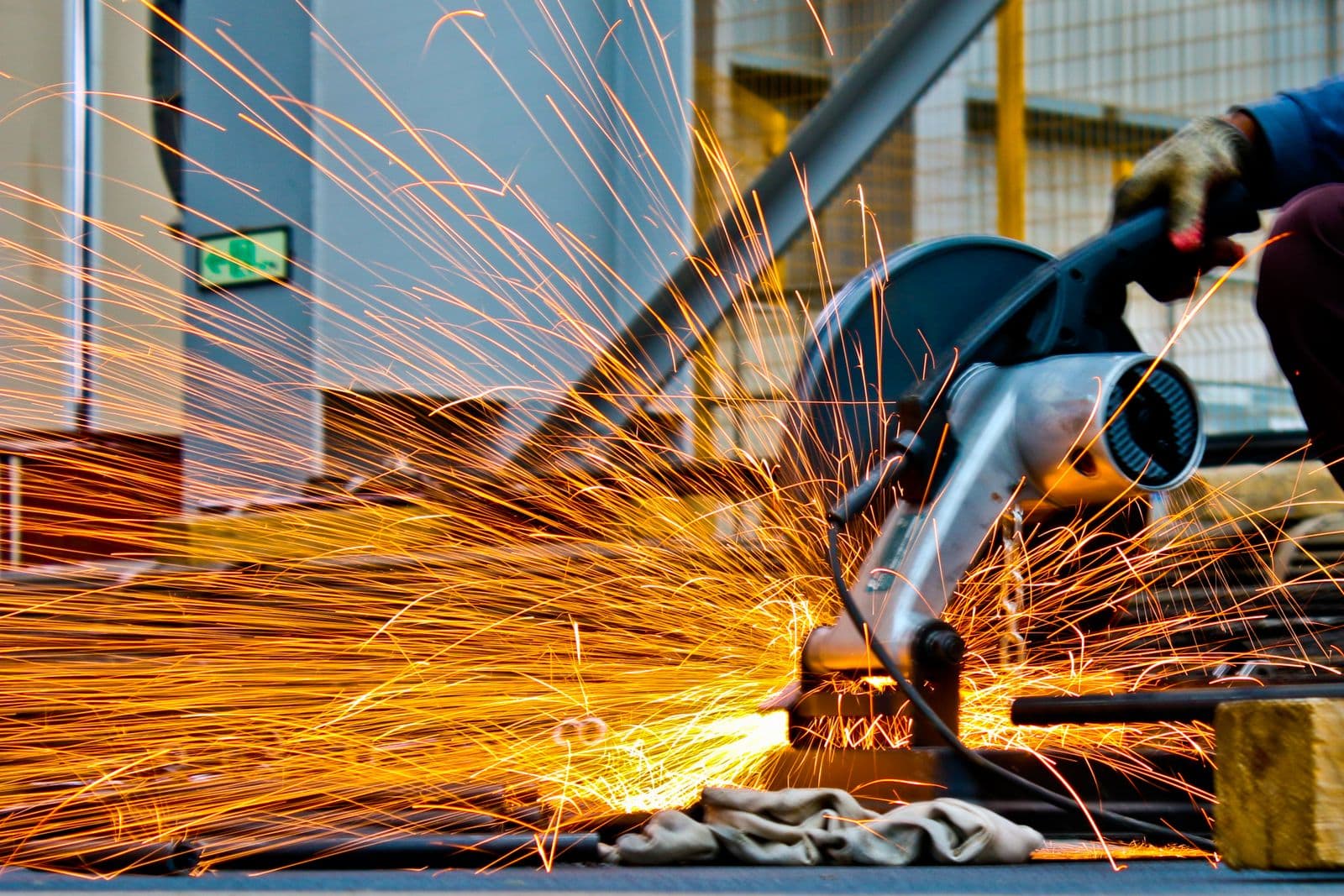
Drilling
Percussion drill bits and chisels for anchor holes and light breaking in concrete and masonry. Unlike diamond coring this is a hammer process: a carbide tip crushes the material and the flute has to clear the debris, so helix design matters as much as the tip does. SES holds the range as an authorised Tyrolit distributor, covering shank types SDS-plus, SDS-max, hex and round; diameters 4 mm to 50 mm typical; working lengths 50 mm to 1000 mm; tip forms Two-cutter, four-cutter and full carbide head. Executions include SDS-plus hammer drill bits, SDS-max hammer drill bits, four-cutter bits for reinforced concrete, flat and point chisels, among others. It is specified most often into anchor holes for cable tray and pipe support brackets and fixing holes for machine guards and access platforms. Every part is genuine Tyrolit through official channels, with designation, specification and options confirmed against your duty before it ships — supplied from Kolkata and our branch network, with breakdown cover that does not sit in an inbox.
Send an enquiry
Check Price & Availability.
Give us the size or the failed part — we reply on WhatsApp.
Trusted across Metals & Energy
Supplying India’s Industrial Names.
From integrated steel plants to power utilities and EPC majors — the works that cannot afford a counterfeit part specify through SES.




















Shanks
SDS-plus, SDS-max, hex
Tip
Tungsten carbide, brazed or full head
Action
Rotary hammer
Sizes
4 mm to about 50 mm
Where it runs.
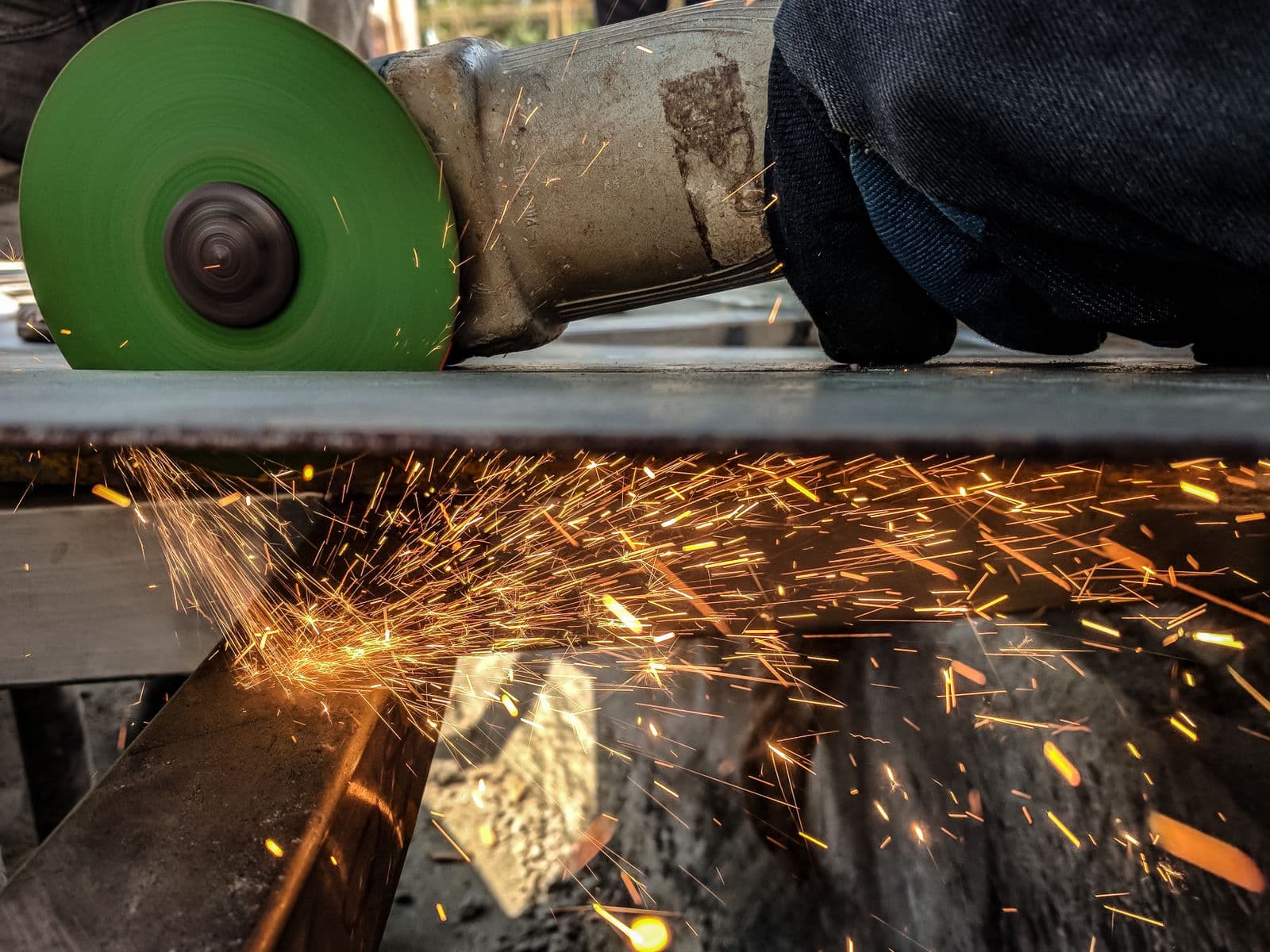
You will find Drilling in the parts of a plant where this particular duty actually occurs. In practice that means anchor holes for cable tray and pipe support brackets, fixing holes for machine guards and access platforms, chemical anchor holes in equipment foundations, and equally chiselling out grout beds before regrouting base plates, removing tile and screed during civil repairs, fixing holes for lighting and instrument panels in process areas. What links them is the duty rather than the machine name — shanks: SDS-plus, SDS-max, hex. If your installation is not on that list it matters less than you would think: the operating condition decides the specification. Send us the load, the speed, the running temperature and the environment it runs in, and we will match it to the right execution in the Tyrolit range and confirm what is in stock.
Specify it against the duty.
Specification here follows the operating condition, not the catalogue. Holes are for chemical anchors carrying real load — A bit whose actual cutting diameter matches the anchor specification, plus the cleaning brush and blower that go with it. Anchor pull-out failures are usually dust left in the hole, not the resin. Drilling through heavy reinforcement is likely — A four-cutter or full carbide head bit. A two-cutter tip catches on bar, jerks the machine and often snaps at the flute root. Deep holes beyond about 300 mm are needed — A bit with a deep, wide helix. Fine dust packed into a shallow flute is what makes bits seize and burn in deep work. Where two of those apply at once, specify for the harsher of the two — under-specifying is what puts the part back on the bench a month later. Send us the duty and we will confirm the execution.
Ordering this from SES.
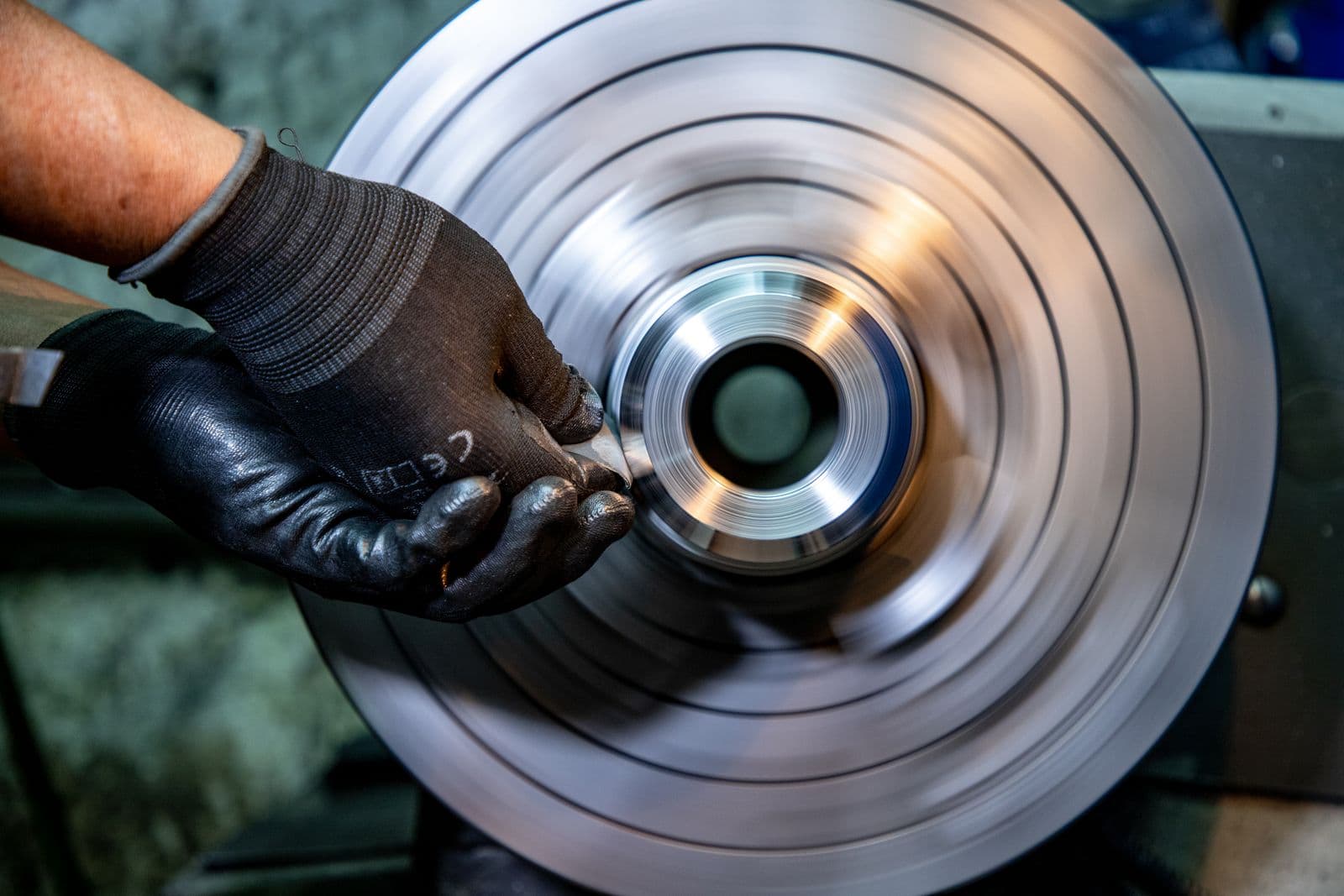
Hammer bits die from heat far more often than from wear at the tip. If a bit comes back blue along the flutes, the operator was pushing a worn machine — check the hammer mechanism before you condemn the next box of bits.