
Elastic Mounted Points
Abrasive grain held in a rubber or elastic resin bond on a steel shank. The bond gives under contact so the point follows a radius instead of cutting a flat, and it releases grain slowly enough to hold a consistent finish. SES holds the range as an authorised Tyrolit distributor, covering head diameters 3 mm to 25 mm; shanks 3 mm and 6 mm; grits Medium through to very fine polishing grades; grain Silicon carbide and aluminium oxide. Executions include cylindrical elastic points, ball and radius points, cone and bullet points, thin disc points for slots, among others. It is specified most often into polishing injection mould cavities in tool rooms and finishing die radii on press tools. Every part is genuine Tyrolit through official channels, with designation, specification and options confirmed against your duty before it ships — supplied from Kolkata and our branch network, with breakdown cover that does not sit in an inbox.
Send an enquiry
Check Price & Availability.
Give us the size or the failed part — we reply on WhatsApp.
Trusted across Metals & Energy
Supplying India’s Industrial Names.
From integrated steel plants to power utilities and EPC majors — the works that cannot afford a counterfeit part specify through SES.





















Bond
Rubber or elastic resin
Shank
3 mm and 6 mm typical
Machines
Die grinders, flexible shaft, micromotors
Use
Radii, cavities, edges, sealing faces
Where it runs.
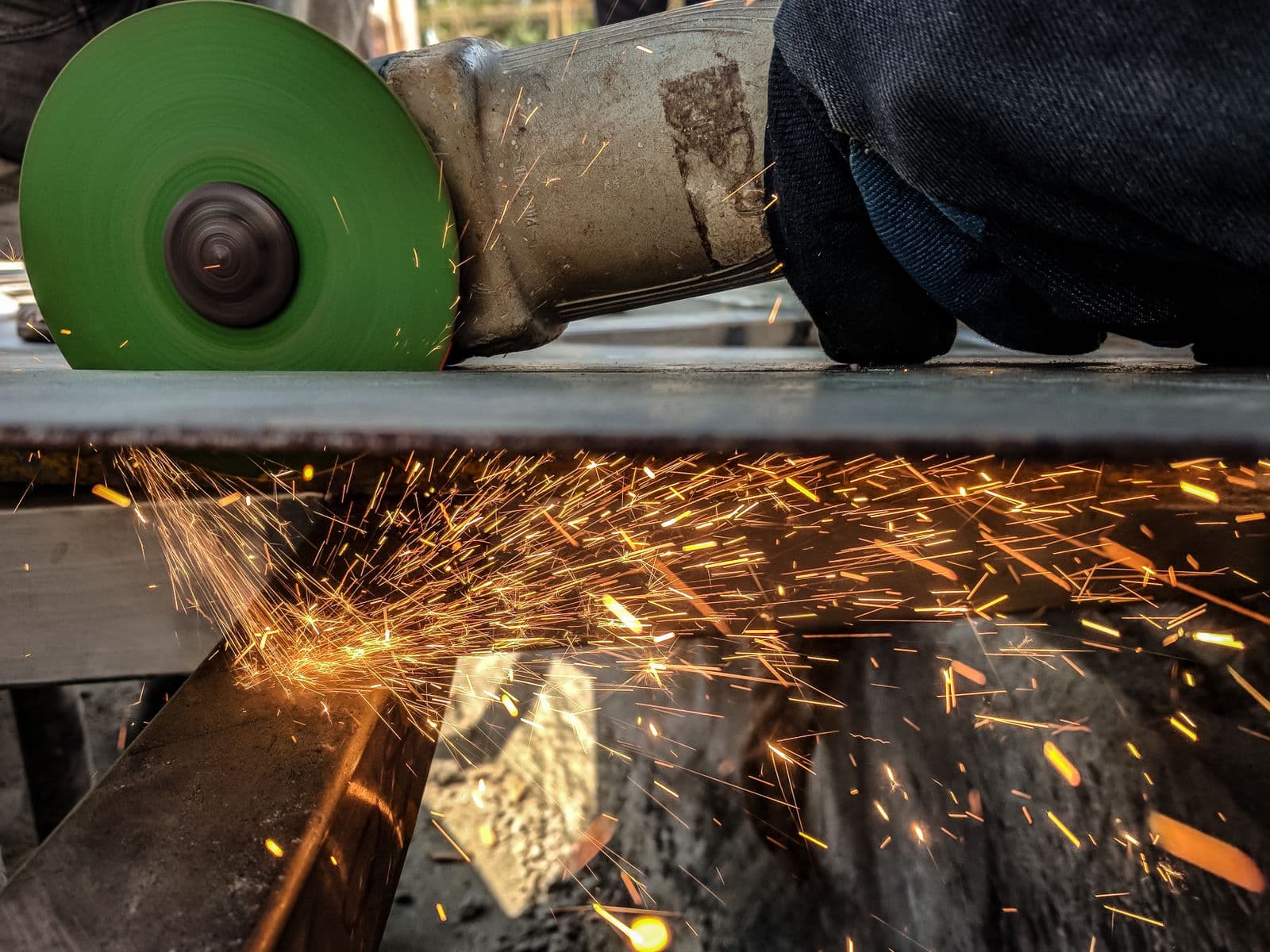
You will find Elastic Mounted Points in the parts of a plant where this particular duty actually occurs. In practice that means polishing injection mould cavities in tool rooms, finishing die radii on press tools, deburring and blending valve seats and sealing faces, and equally removing recast layer left by EDM on tool steel, finishing internal corners of machined housings, blending small weld repairs on precision components. What links them is the duty rather than the machine name — bond: Rubber or elastic resin. If your installation is not on that list it matters less than you would think: the operating condition decides the specification. Send us the load, the speed, the running temperature and the environment it runs in, and we will match it to the right execution in the Tyrolit range and confirm what is in stock.
Specify it against the duty.
Specification here follows the operating condition, not the catalogue. The finish has to follow a curved profile exactly — An elastic bond rather than a vitrified point. Vitrified points hold their form, which is precisely why they cut a flat into a curve. The work is hardened tool steel — Silicon carbide or a fine ceramic grain at low speed. High speed on hardened steel burnishes the surface and traps heat in a thin skin that can crack later. The point chatters and leaves a rippled surface — A shorter shank overhang in the collet before any change of abrasive. Overhang is the usual cause, and every extra millimetre outside the collet multiplies deflection. Where two of those apply at once, specify for the harsher of the two — under-specifying is what puts the part back on the bench a month later. Send us the duty and we will confirm the execution.
Ordering this from SES.
Store elastic points away from oil and solvent. The rubber bond swells if points are left standing in cleaning fluid, and a swollen head runs out of balance and tears itself apart at speed. Send the designation off the failed part and we will confirm the Tyrolit equivalent and stock position.